There is a peculiar unease that comes from standing in a hotel corridor that seems to stretch into infinity, or a deserted airport gate that feels both familiar and deeply wrong. These liminal spaces—transitional zones that are neither fully comforting nor overtly threatening—have long fascinated artists and storytellers. Now, a 20-year-old director from the United Kingdom has turned that fascination into one of the most talked-about horror films of the year.
Kane Parsons' Backrooms opens in European cinemas this week, following a record-breaking debut in the United States. The film, produced by A24, earned $81 million on a $10 million budget, making it the studio's biggest opening ever and Parsons the youngest director to top the US box office. But beyond the numbers, Backrooms has sparked conversations about the intersection of architecture, psychology, and fear—a theme that resonates deeply in a continent shaped by layered histories and urban landscapes.
From Creepypasta to Cinema
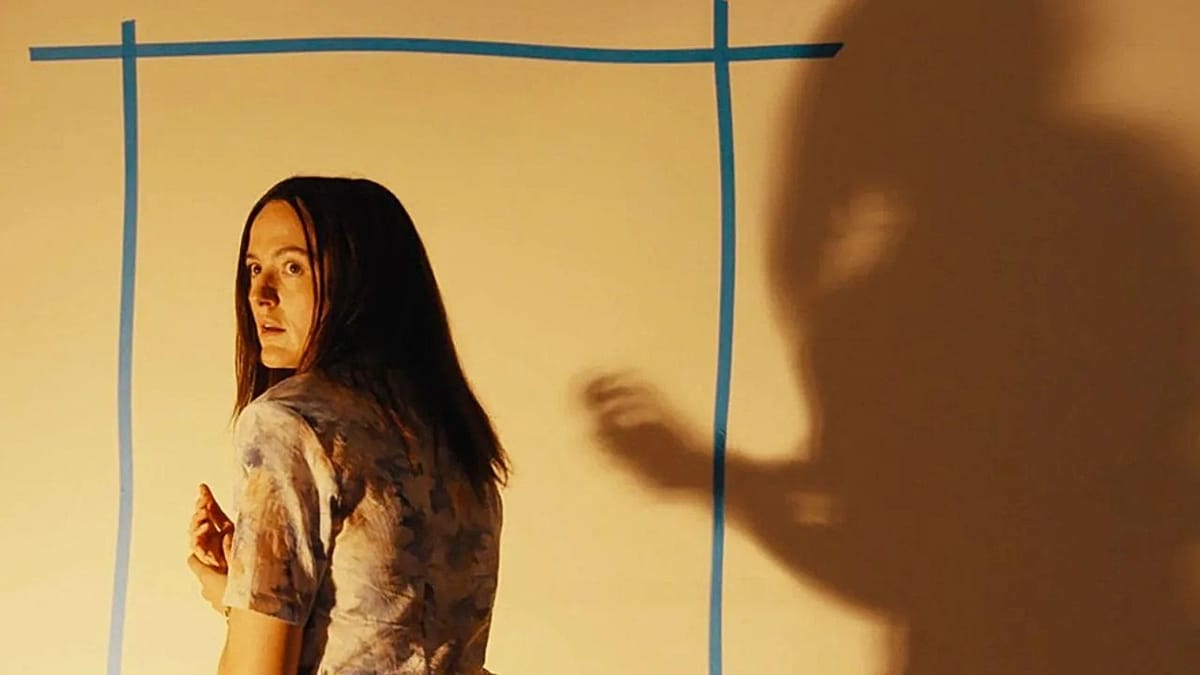
The film's origins lie in internet lore. A 2019 4chan post described a photograph of a nondescript, yellow-walled room as a place where one could "noclip" out of reality into an endless, empty expanse. Parsons turned that single image into a web series that amassed 200 million views since 2022. Now, he expands the mythos into a feature film that follows Clark (Chiwetel Ejiofor), a failed architect and furniture store owner who stumbles into the Backrooms through a portal in his shop. His therapist, Mary (Renate Reinsve), ventures after him, only to find herself trapped in a labyrinth of humming lights and jaundiced corridors.
Parsons' film is not merely a series of jump scares. It draws on the same architectural dread that Stanley Kubrick exploited in The Shining, where empty hallways become metaphors for fractured minds. The Backrooms mirror the protagonists' internal struggles: Clark's unresolved anger and Mary's childhood trauma manifest as endless, looping spaces. As Parsons told interviewers, the film is less about surviving a hostile world and more about breaking behavioral cycles. The most potent menace, he suggests, comes from within.
The cast delivers solid performances, with Ejiofor conveying a quiet desperation and Reinsve—known to European audiences from Joachim Trier's The Worst Person in the World—bringing a grounded vulnerability. The Norwegian actress's presence adds a distinctly European touch to a film that otherwise feels rooted in American indie horror traditions.
A Slow-Burn Success
While Backrooms has been praised for its unsettling atmosphere and Lovecraftian dread, it is not without flaws. Some horror veterans may find the pacing too deliberate, and the final act has divided audiences. The script occasionally stumbles with rickety dialogue, and a subplot involving MKUltra experiments—courtesy of the mysterious Async Research Institute—feels tacked on, threatening the Twilight Zone simplicity of the core concept. Yet Parsons' decision to suggest rather than explain leaves room for interpretation, and the final shot has already sparked theories about whether the Backrooms are a sentient universe or a projection of the subconscious.
The film's success is a testament to the power of word-of-mouth in an era dominated by franchise blockbusters. It also highlights the growing influence of European talent in global horror. Parsons, though British, has drawn on a tradition of psychological horror that spans from France's Martyrs to Italy's Suspiria. His film feels like a conversation with that lineage, even as it carves its own path.
For those unfamiliar with the Backrooms phenomenon, the film serves as an accessible entry point. No prior knowledge of the web series is required. The viewer is plunged into a world where the uncanny lurks in the mundane—a misplaced object, a flickering light, a corridor that seems to breathe. It is a reminder that horror often works best when it taps into the familiar, twisting it just enough to unsettle.
As European audiences prepare to experience Backrooms on the big screen, the film offers more than scares. It is a meditation on the spaces we inhabit and the psychological loops that trap us. In a continent where cities bear the scars of war and renewal, where old buildings hide new anxieties, that theme feels particularly resonant. For more on the origins of this phenomenon, read our earlier piece on The Backrooms Phenomenon: From Creepypasta to A24's Next Horror Hit.
Whether Backrooms will become a defining horror film of the decade remains to be seen. But for now, it has achieved something rare: it has made audiences want to get lost in a world of yellow walls and humming lights. And that, perhaps, is the most unsettling thing of all.