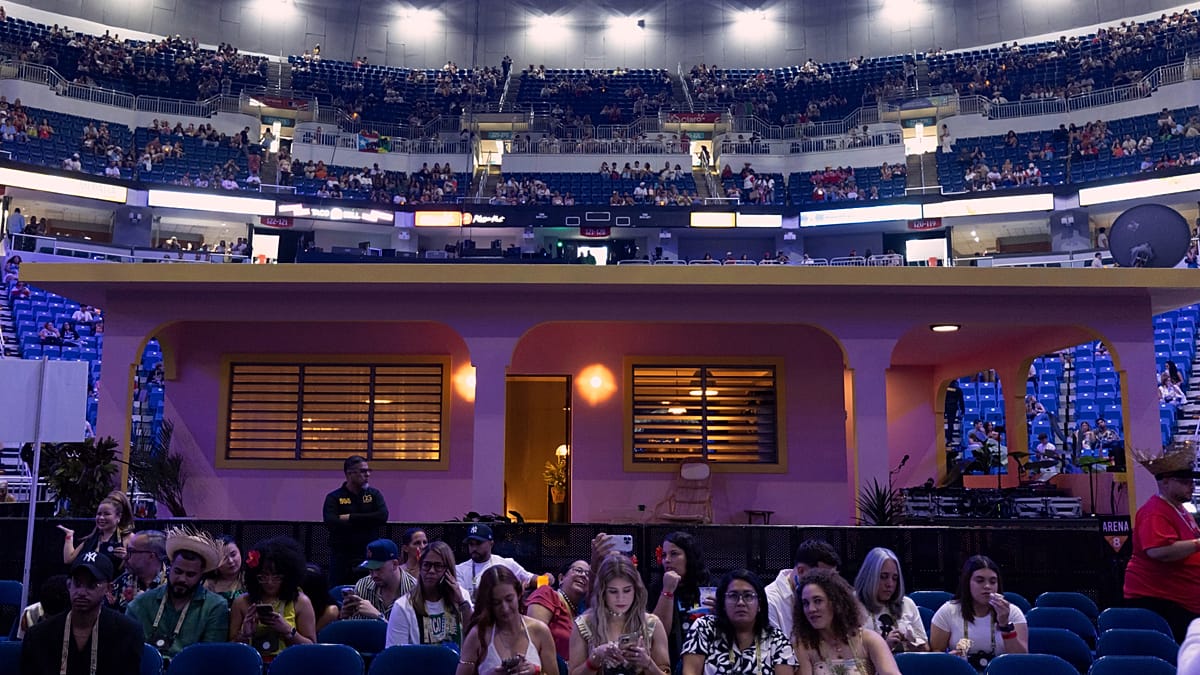
The controversy surrounding Bad Bunny's 'La Casita' segment on his Debí tirar más fotos tour has sparked debate over feminism and reggaeton, but the real story lies in the stage design itself. The set, a replica of a house in Humacao, Puerto Rico, is a deliberate nod to the island's colonial history and its enduring spirit of resistance.
Humacao, founded in 1722 on the ruins of the old Macao, was settled by Canary Islanders and Jíbaro Taínos. The town's name derives from Jumacao, one of the last indigenous leaders to fight Spanish colonizers. This legacy of defiance persisted when later settlers protested land redistribution. The architecture of Humacao reflects this layered history: the urban grid follows the Laws of the Indies, but local builders used thatch, tiles, and timber, a fusion of European and indigenous practices.
From Sugar Estates to US Expatriate Housing
In the 19th century, the sugar trade—built on enslaved Black labor—introduced European Neoclassical elements like masonry to public buildings such as the town hall and prison. After the Spanish-American War in 1898, Puerto Rico became a US territory, a status that persists today, denying its citizens voting representation in Congress and the right to vote in presidential elections. This political reality is a recurring theme in Bad Bunny's music and public statements.
The 'Casita' stage, designed by Mayna Magruder Ortiz and built by Rafael Pérez's team, draws inspiration from homes that carried 19th-century heritage into the 1950s housing estates built for US expatriates. Specifically, it mimics a house in Levittown, Toa Baja, the first planned development on the island for World War II veterans. This fusion of influences—Taíno, Spanish, African, and US—mirrors the island's complex identity.
The interior décor features Antillean pieces and works by Puerto Rican artists like Lorenzo Homar, co-founder of the Puerto Rican Art Centre, and muralist Alexis Díaz. Bad Bunny, following in the footsteps of artists like Residente and iLe of Calle 13, uses his platform to highlight Puerto Rico's colonial status and cultural resilience.
As the tour continues across Europe until mid-July, the 'Casita' serves as a powerful symbol of resistance, reminding audiences of the island's ongoing struggle for self-determination. For more on this, see our related piece on Bad Bunny's 'Casita' Stage: A Puerto Rican History of Colonialism and Resistance.



