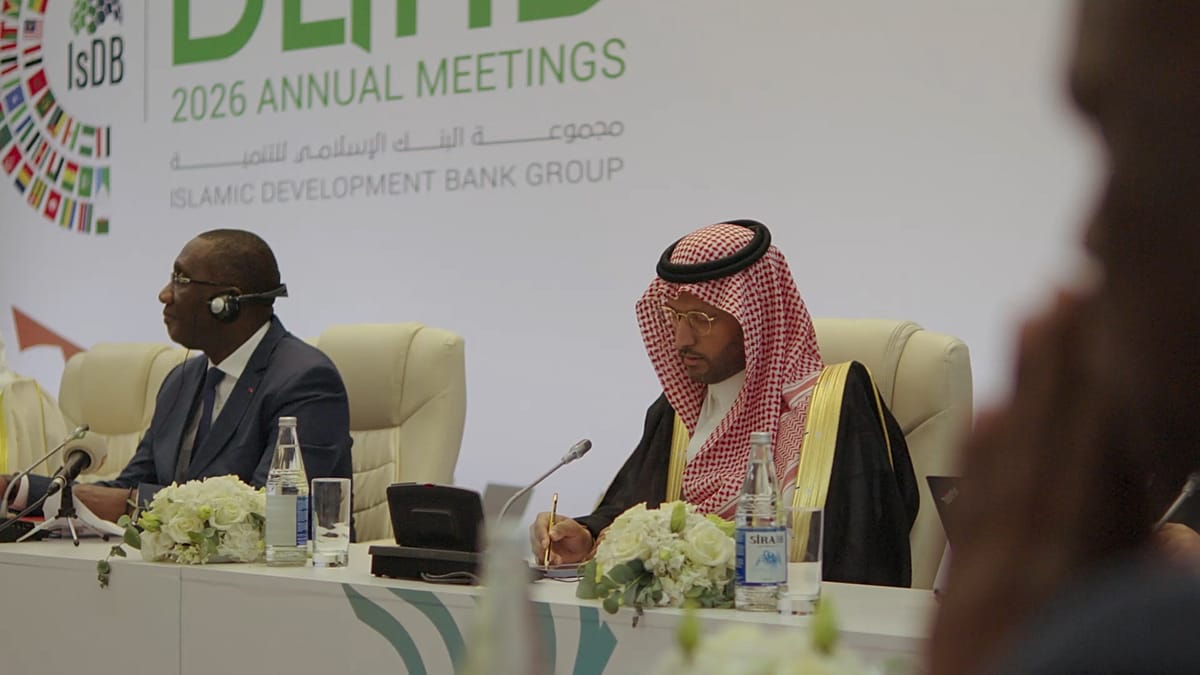
The 2026 Islamic Development Bank (IsDB) Annual Meetings convened in Baku, bringing together finance ministers, central bank governors, and development experts from across the bank’s 57 member countries. The gathering, held against a backdrop of persistent geopolitical tensions and economic volatility, focused on how deeper regional integration can underpin sustainable growth.
Discussions ranged from cross-border infrastructure projects to trade facilitation and financial cooperation. Participants emphasized the need for stronger connectivity—both physical and digital—to unlock investment and reduce barriers between markets. The IsDB, which has long financed development in the Middle East, Africa, and Asia, is increasingly looking to link these regions with European partners, particularly through energy and transport corridors.
Regional Integration as a Hedge Against Uncertainty
In his opening remarks, IsDB President Dr. Muhammad Al Jasser highlighted the importance of collective action in an era of fragmentation. “No single country can navigate today’s challenges alone,” he said. “Regional integration offers a path to resilience, enabling us to pool resources, share risks, and create larger, more efficient markets.”
The meetings come at a time when Europe itself is grappling with its own integration questions. The EU budget battle and debates over enlargement have underscored the complexities of deepening ties among diverse economies. For the IsDB, the lessons from Europe’s single market and its regulatory frameworks are instructive, even if the bank’s members operate under different political and economic systems.
Azerbaijan, the host nation, used the platform to showcase its role as a bridge between Europe and Asia. Baku has invested heavily in transport infrastructure, including the Baku-Tbilisi-Kars railway and the emerging Middle Corridor, which aims to shorten trade routes between China and Europe. These projects align with the IsDB’s focus on connectivity and have drawn interest from European investors seeking alternatives to traditional shipping lanes.
Investment and Climate Finance in Focus
Alongside integration, the meetings addressed the urgent need for climate finance. Many IsDB member states are among the most vulnerable to climate change, yet they struggle to attract private capital for green projects. The bank announced a new facility to de-risk renewable energy investments, with an initial focus on solar and wind projects in Central Asia and North Africa.
European institutions, including the European Investment Bank and the European Bank for Reconstruction and Development, have been exploring co-financing arrangements with the IsDB. Such partnerships could channel European green technology and expertise into emerging markets, while offering European firms access to new growth areas. The visit of European Commission President Ursula von der Leyen to Baku earlier this year signaled the EU’s interest in deepening energy ties with the Caspian region.
Trade and investment also featured prominently. Delegates discussed ways to reduce non-tariff barriers and harmonize standards, particularly in sectors like pharmaceuticals, agriculture, and information technology. The IsDB’s trade finance program, which has supported over $50 billion in transactions since its inception, was cited as a model for expanding intra-regional commerce.
Geopolitical Undercurrents
The meetings took place against a complex geopolitical backdrop. The war in Ukraine continues to disrupt energy markets and supply chains, while tensions in the Middle East and the South China Sea add to uncertainty. Several speakers warned that economic fragmentation could reverse decades of development gains.
Notably, the absence of Western leaders at the recent funeral of Iran’s Supreme Leader Ayatollah Ali Khamenei, as reported in Iran Hosts Dozens of Foreign Leaders for Khamenei's Funeral; Western Nations Absent, highlighted the widening diplomatic rifts that complicate multilateral cooperation. The IsDB, which includes Iran as a member, must navigate these divisions carefully to maintain its credibility as a neutral development platform.
For European observers, the Baku meetings underscored the continent’s interdependence with the wider Islamic world. From energy imports to migration flows, the fates of Europe and the IsDB’s member states are increasingly intertwined. The challenge, as one European diplomat noted on the sidelines, is to translate shared interests into concrete institutional links.
The IsDB’s 2026 Annual Meetings concluded with a communiqué reaffirming the bank’s commitment to sustainable development, poverty reduction, and regional cooperation. The next gathering is scheduled for 2027 in Dakar, Senegal, where the focus will likely shift to Africa’s integration agenda.