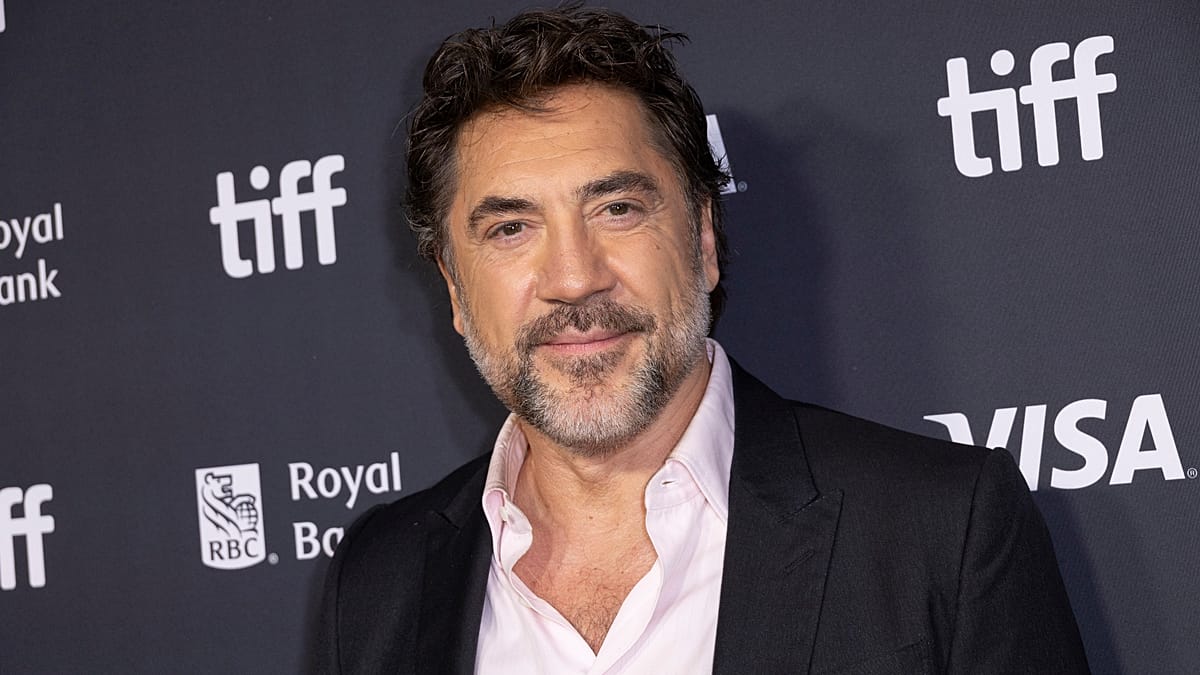
Spanish actor Javier Bardem has thrown his weight behind a campaign demanding that UNICEF strip US singer P!nk of her role as goodwill ambassador. In an Instagram story, Bardem urged his followers to sign a Change.org petition that has already collected more than 150,000 signatures, intensifying a debate over the political responsibilities of celebrity ambassadors.
The controversy erupted after P!nk publicly criticised rapper Macklemore for using his platform during Ed Sheeran's tour to voice support for Palestine. Macklemore, who was opening for Sheeran, delivered a forceful on-stage defence of Palestinians and condemned the humanitarian crisis in Gaza. In response, P!nk labelled his actions opportunistic and shared a message from the StopAntisemitism platform accusing Macklemore of spreading propaganda, even suggesting that Sheeran should refund concertgoers.
Bardem's intervention marks a significant escalation. The Oscar-winning actor, known for his outspoken political views, has effectively placed UNICEF in a difficult position. The petition's organisers argue that P!nk's remarks undermine the neutrality and child-protection principles that a body like UNICEF must uphold. They contend that an ambassador's personal politics should not conflict with the organisation's humanitarian mission.
UNICEF faces a test of credibility
The growing pressure puts UNICEF at a crossroads. While the organisation has not yet issued a formal statement on P!nk's future, the media storm threatens to force a reconsideration of how it selects and manages its high-profile advocates. The case also raises broader questions about the ethical boundaries expected of celebrities who lend their names to international institutions.
For Bardem, the issue is personal. The Spanish actor has long been vocal on human rights, including in Palestine. His support for the petition aligns with his previous statements and actions, such as his involvement in campaigns for Palestinian rights. By using his social media reach, Bardem has turned a niche online dispute into a mainstream story with institutional implications.
Meanwhile, Ed Sheeran has found himself at the centre of the storm. After Macklemore was dropped from the tour following his pro-Palestine messages, Sheeran faced a wave of criticism, and several members of his band and support acts resigned in protest. At his concert in Philadelphia over the weekend, Sheeran addressed the controversy directly, calling the situation in Gaza "catastrophic, unjustifiable and disproportionate."
According to Variety, Sheeran admitted he does not consider himself an activist but acknowledged that the dispute had placed him "at the heart of a momentous debate about freedom of expression and the world's most complex political conflict." He told the audience: "My commitment to the fans is fundamental to my identity; that is why tonight I am here alone, keeping the rest of the tour going."
The episode has reignited discussions about the role of artists in political conflicts, particularly those involving Israel and Palestine. In Europe, where public opinion is sharply divided, the incident has resonated beyond the entertainment world. It touches on issues of free speech, corporate responsibility, and the expectations placed on public figures.
UNICEF has not commented on the petition, but the organisation's silence is becoming harder to maintain. With Bardem's endorsement, the campaign has gained a level of visibility that may force a response. Whether UNICEF will act remains uncertain, but the pressure is mounting.
For now, the ball is in UNICEF's court. The organisation must weigh the potential backlash from removing a popular ambassador against the risk of appearing to condone views that many find objectionable. The outcome could set a precedent for how international bodies handle political controversies involving their celebrity supporters.