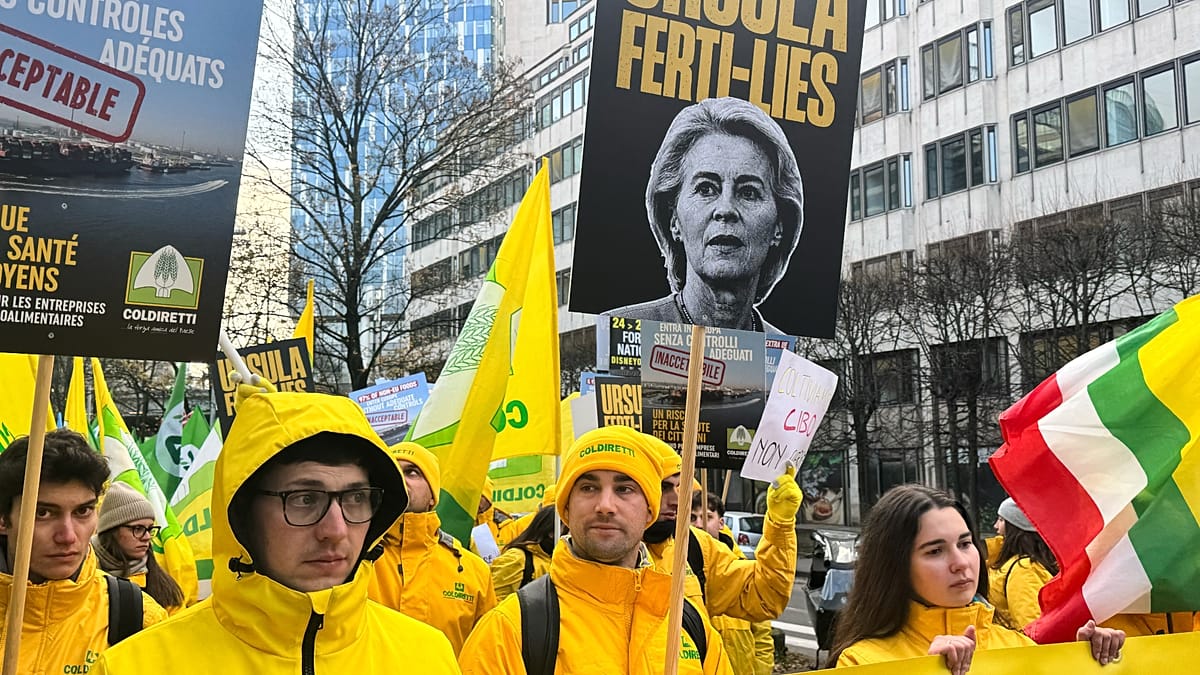
Around 200 representatives of European farming unions marched through the streets of Brussels on Thursday, 26 November 2026, to voice their opposition to proposed cuts in the European Union's Common Agricultural Policy (CAP). The demonstration was timed to coincide with a summit of EU leaders focused on the bloc's next long-term budget, where agricultural spending is a contentious issue.
The protesters, many arriving on tractors from Belgium and neighbouring countries, gathered near the European Council headquarters. They carried banners reading “No farmers, no food” and “Save our farms,” while union leaders warned that reduced CAP funding would undermine rural livelihoods across the continent.
Budget summit under pressure
The protest came as EU heads of state and government met to negotiate the Multiannual Financial Framework (MFF) for the period starting in 2027. The CAP, which accounts for roughly a third of the EU budget, has been a prime target for cost-cutting as leaders grapple with competing priorities such as defence, migration, and support for Ukraine.
Belgian farmer and union spokesperson Jan Vermeulen told European Pulse: “We are not asking for more money, we are asking for stability. Farmers need predictability to invest in the future. Cutting CAP now would be a betrayal of the people who feed Europe.”
The demonstration also drew attention to the broader challenges facing the agricultural sector, including climate change, rising input costs, and the pressure to adopt more sustainable practices. Many farmers argue that the EU's Green Deal targets, while necessary, require adequate financial support to be implemented without bankrupting small and medium-sized farms.
European Commission President Ursula von der Leyen, who attended the summit, acknowledged the farmers' concerns in her opening remarks. “We must ensure that our agricultural policy supports both our farmers and our environmental goals,” she said. “The CAP must evolve, but it must not be dismantled.”
The summit is part of a series of high-stakes negotiations that have already seen leaders gather in Brussels to hash out the bloc's financial priorities. The outcome will shape not only agriculture but also investments in technology, infrastructure, and climate action for years to come.
Farmers from countries like France, Germany, Poland, and Spain have been particularly vocal, warning that cuts could lead to a loss of competitiveness against imports from outside the EU. The protest in Brussels is the latest in a wave of demonstrations that have swept across the continent, including earlier protests in the Belgian capital over the same issue.
Some analysts see the budget debate as a test of the EU's ability to act strategically. With the United States and China pouring massive resources into their own agricultural and industrial sectors, Brussels faces pressure to match those efforts. The question is whether the EU can do so while maintaining its commitment to a fair and sustainable food system.
As the summit continued into the evening, no immediate agreement was reached. Diplomats said that negotiations would likely extend into the coming weeks, with agriculture remaining one of the most divisive files. For the farmers outside, the message was clear: they will not quietly accept a future that sidelines them.
“We are the backbone of rural Europe,” said Vermeulen. “If the EU forgets that, it does so at its own peril.”



