Thousands of farmers converged on Brussels on Thursday as EU leaders gathered for a high-stakes summit on the bloc's next long-term budget. At the centre of their anger: proposed cuts to the Common Agricultural Policy (CAP), which they say would squeeze already-thin margins and put Europe's food security at risk.
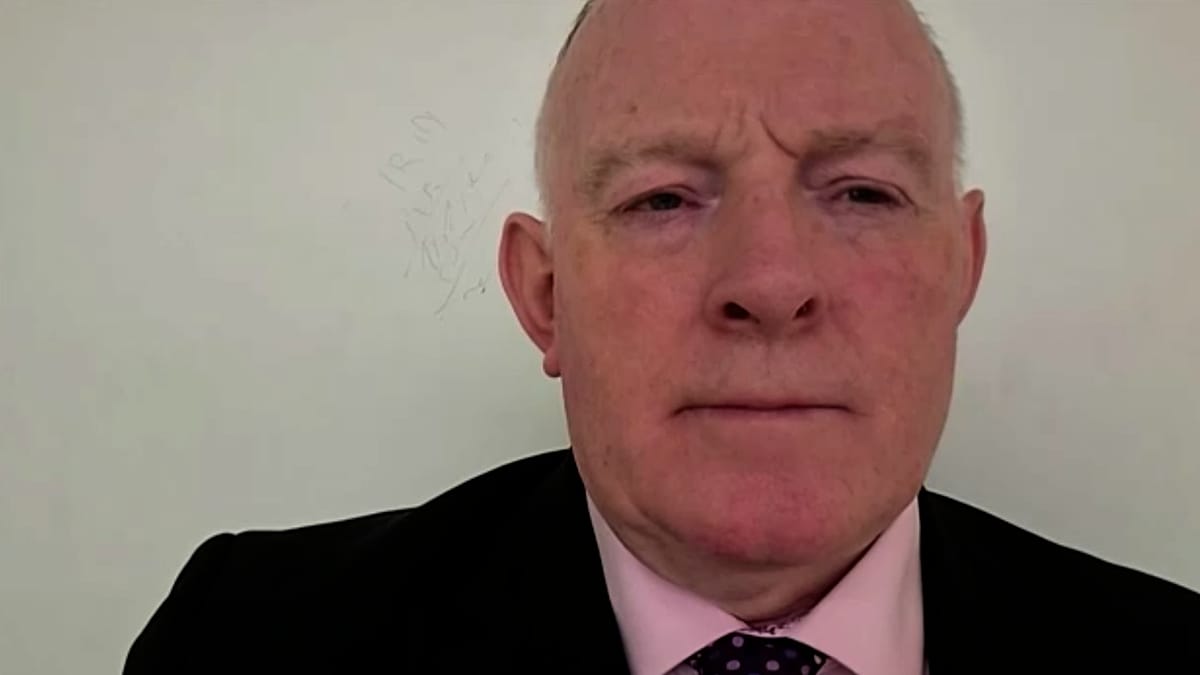
Francie Gorman, president of the Irish Farmers' Association (IFA), told Euronews that the current budget proposals "have not improved from an agricultural point of view." He warned that reductions in CAP funding could threaten farmers' livelihoods, food security, and the future of European farming.
A sector under pressure
Gorman also highlighted the broader pressures facing the sector. "Rising production costs and EU regulation remain a huge issue for farmers," he said. From fertiliser prices to environmental rules, farmers across the continent are struggling to stay profitable while meeting Brussels' ambitious Green Deal targets.
The protest comes as EU leaders are locked in difficult negotiations over a multi-year budget that must balance new priorities—including support for Ukraine and defence—against the traditional heavyweights like CAP and cohesion funds. The clash over the €2 trillion budget has exposed deep divisions between net contributors and net recipients, with farm subsidies among the most contentious items.
For many in the agricultural sector, the stakes could not be higher. CAP has long been the EU's largest spending programme, but its share has been shrinking in recent budget cycles. Farmers argue that further cuts would undermine the viability of small and medium-sized holdings, particularly in countries like Ireland, France, and Poland, where agriculture remains a cornerstone of the rural economy.
Food security and strategic autonomy
The debate is not just about money—it is also about the EU's strategic direction. In the wake of the COVID-19 pandemic and Russia's invasion of Ukraine, food security has re-emerged as a key political priority. Gorman's warning echoes a broader concern among farming groups that underfunding CAP could leave Europe dependent on imports for basic foodstuffs.
"If we want to maintain a resilient food supply chain, we need to invest in our farmers," said one protester from the Belgian farming union, who declined to give his name. "You cannot have food security without a viable agricultural sector."
The Brussels summit is expected to continue into Friday, with leaders trying to bridge their differences over the overall size of the budget, the balance between grants and loans, and the conditions attached to funding. Some member states, including the Netherlands and Austria, are pushing for a more frugal approach, while others, such as Spain and Italy, argue that the EU needs to increase its own resources to meet its ambitions.
MEPs have already warned that there will be no budget deal without a bigger overall spending envelope. The European Parliament has called for a significant increase in the next Multiannual Financial Framework, arguing that the current proposals would leave the EU unable to respond to crises or invest in strategic priorities.
For farmers, the outcome of these negotiations will determine whether they can continue to operate in the coming years. As Gorman put it, the current proposals are simply not good enough. "We need a budget that reflects the real challenges facing European agriculture," he said.
The protest in Brussels is a reminder that the CAP is not just a technical policy—it is a lifeline for millions of people across the continent. Whether EU leaders heed that message remains to be seen.



