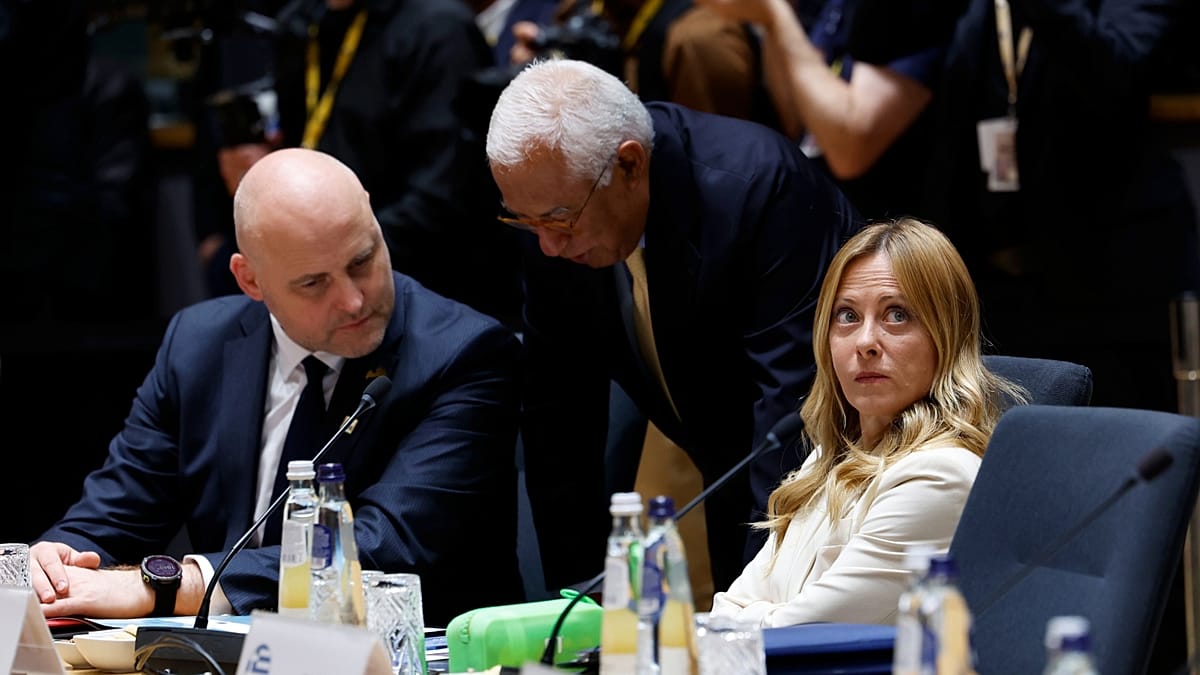
Brussels is bracing for a difficult summit as EU leaders prepare to confront two of the bloc's most contentious financial questions: the size of the next long-term budget and the future of support for Ukraine. The meeting, which opens on Thursday, is expected to expose sharp differences among the 27 member states over how much to spend and who should pay.
At the heart of the debate is a proposal from European Council President António Costa for a seven-year budget worth nearly €1.7 trillion. The figure has already drawn fire from both sides: some governments, led by the frugal north, argue it is excessive, while others, particularly in the south and east, insist it is insufficient to meet the bloc's ambitions on defence, competitiveness, and enlargement.
Compounding the budget wrangling is a separate but politically linked proposal from the European Commission: a €45 billion loan for Ukraine, to be financed through joint EU borrowing. The loan is designed to provide Kyiv with predictable, long-term financial support, but four countries—Slovakia, the Czech Republic, Hungary, and, notably, Budapest—have signalled they want to opt out. That stance has infuriated the bilateral donors who have been carrying the load, and it threatens to complicate the broader message of unity that the EU has sought to project on Ukraine.
Although the budget and the loan are technically distinct, they have become intertwined in the minds of many negotiators. Both are about money, and both test the limits of solidarity. As one diplomat put it, "You cannot separate the two without risking a collapse of the whole package." The collision of these issues is likely to dominate the summit's closed-door sessions.
Divisions over spending and solidarity
The budget debate is not just about the headline number. It is also about priorities. The Commission has proposed significant increases for defence, technology, and border management, but many member states are wary of shifting funds away from traditional cohesion and agricultural policies. The European Parliament has already warned that it will not accept a deal that fails to boost overall spending, setting the stage for a prolonged negotiation.
On Ukraine, the loan is intended to complement the existing support packages, but the opt-out demand has created a two-track approach that some see as a dangerous precedent. "If some countries can pick and choose which joint commitments to join, the whole idea of European solidarity is undermined," said a senior EU official. The tension is particularly acute given the recent escalation of Russian drone attacks on Ukrainian cities, which have killed civilians and damaged infrastructure, as reported in fresh battlefield reports.
Beyond the budget and Ukraine, leaders will also discuss the succession of Christine Lagarde as president of the European Central Bank. The Spanish candidate, Pablo Hernández de Cos, has emerged as the frontrunner, ahead of the Dutch contender Klaas Knot. His appointment is widely expected, but the debate over the ECB's future direction—particularly on inflation and fiscal coordination—could add another layer of complexity to the summit.
The summit comes at a delicate moment for the EU's external relations. The Western Balkans summit earlier this week highlighted the bloc's struggles to maintain momentum on enlargement, with Serbia's absence raising questions about its commitment. The budget and Ukraine decisions will be watched closely in the region, as they signal the EU's willingness to back its strategic promises with financial muscle.
As the leaders sit down in the Europa building, the mood is tense but not yet confrontational. The hope is that a compromise can be found before the end of the year, but the gaps remain wide. The outcome of this summit will set the tone for the EU's financial and geopolitical trajectory for the next decade.



