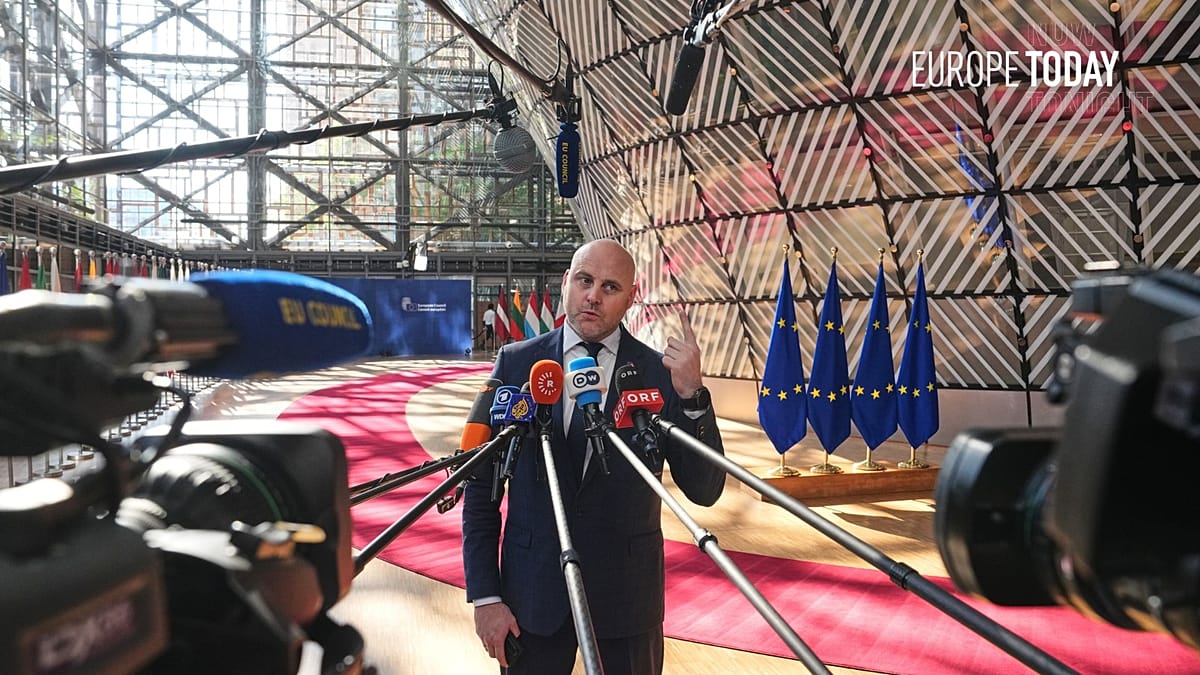
The 27 heads of state of the European Union are gathering in Brussels for a European Council summit that many expect to be a bruising negotiation over the bloc's long-term budget. The talks, which could stretch into the early hours, will set spending priorities for the next seven years, covering everything from defence and competitiveness to agriculture and regional cohesion.
But overshadowing the usual horse-trading over funds is a more urgent question: how to keep Ukraine financially viable in 2027. Kyiv faces a massive funding shortfall, and with Russia showing no signs of de-escalation, the EU's ability to sustain its support is under scrutiny. The summit comes as tensions over the budget and a proposed Ukraine loan are already simmering.
A budget like no other
Diplomats in Brussels have been preparing for a marathon session. The multi-annual financial framework (MFF) is always a contentious affair, but this time the stakes are higher. The EU is trying to balance its strategic ambitions—boosting defence spending, supporting green and digital transitions—with the reality of limited national budgets. Several member states, including the Netherlands and Austria, have called for restraint, while others, like France and Germany, are pushing for a more ambitious EU budget.
Latvian Prime Minister Andris Kulbergs spoke to Euronews just before entering the summit. He stressed the need for unity: "We cannot afford to let our differences undermine our collective security. The budget must reflect our shared priorities, and that includes supporting Ukraine." Kulbergs also highlighted the importance of competitiveness, noting that Europe must invest in innovation to keep pace with global rivals.
MEP Michał Szczerba, a Polish member of the European Parliament, offered a broader perspective. He argued that funding Europe's own defence and supporting Ukraine are two sides of the same coin. "If Ukraine falls, our own security is at risk," he said. "We need a budget that is both realistic and ambitious." Szczerba's comments echo a growing sentiment among EU lawmakers that the bloc must step up its defence spending, a theme that has gained urgency since Russia's full-scale invasion of Ukraine.
The summit is also expected to address the tricky question of how to structure a loan to Ukraine, with some member states wary of taking on additional debt. The European Commission has proposed using frozen Russian assets as collateral, but legal and political hurdles remain.
Beyond the budget, leaders will discuss the broader geopolitical situation, including the ongoing war in Ukraine and the EU's relations with other global powers. The summit comes at a time when the bloc is also dealing with internal divisions, as seen in the recent halt in EU coalition talks after the EPP allied with the far right.
For Kulbergs, the summit is an opportunity to reinforce Latvia's position as a staunch supporter of Ukraine and a proponent of a strong EU. "We have been at the frontline of European security for years," he said. "Our voice must be heard."
The negotiations are expected to continue into the night, with leaders aware that failure to reach a deal would send a damaging signal to both Kyiv and Moscow. As one diplomat put it, "This is not just about numbers; it's about the future of Europe."
The outcome of the summit will be closely watched across the continent, from Berlin to Paris to Warsaw, as the EU seeks to define its role in a rapidly changing world.



