The fragile centrist alliance that has underpinned the European Parliament's work for the past two years hit a new low on Wednesday, as the Socialists and Democrats (S&D) and the liberal Renew Europe group formally suspended coalition negotiations with the centre-right European People's Party (EPP). The decision, confirmed by parliamentary sources, came after the EPP once again turned to far-right parties to pass a revision of EU environmental assessment rules.
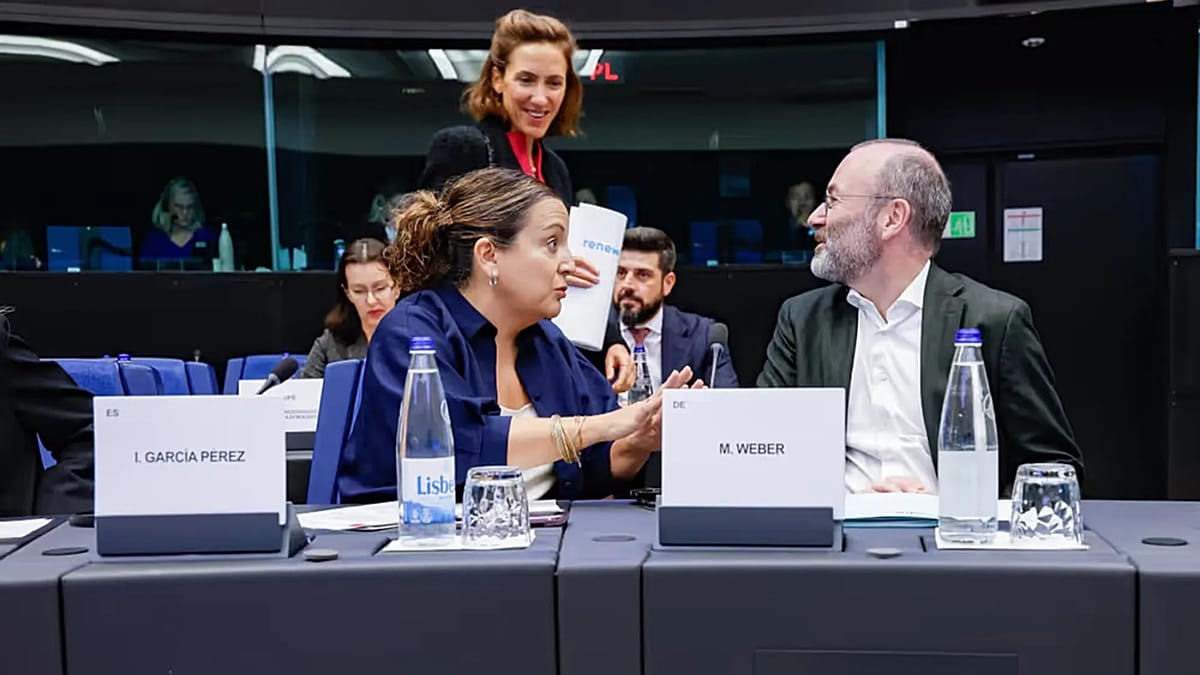
The three groups — the EPP, S&D and Renew — have formed the so-called "grand coalition" that has backed European Commission President Ursula von der Leyen's agenda since 2019. Their leaders, Manfred Weber (EPP), Iratxe García Pérez (S&D) and Valérie Hayer (Renew), had been negotiating a cooperation agreement for the second half of the parliamentary term, which would also have paved the way for Roberta Metsola's re-election as Parliament president in January.
The immediate trigger was a vote on the "Omnibus VIII" file, a Commission proposal aimed at streamlining environmental impact assessments. The EPP, prioritising administrative simplification over stricter environmental safeguards, failed to reach a compromise with its traditional centrist partners, who wanted to retain more protective provisions. In a move that has become a pattern this term, the EPP then secured a majority by aligning with the European Conservatives and Reformists (ECR), the far-right Patriots for Europe (PfE) and the Europe of Sovereign Nations (ESN) group.
Demands for written guarantees
The suspension of talks reflects a deeper frustration among the Socialists and Liberals. They are demanding a written commitment from the EPP that it will stop relying on far-right votes for key legislation. The sticking point, according to parliamentary sources, is how to make such a pledge enforceable. Weber, speaking at a press conference on Tuesday, declined to give such a guarantee, insisting that the EPP would decide on a case-by-case basis.
"We cannot be held hostage by a partner that keeps flirting with the extremes," one senior S&D official told European Pulse. "If the EPP wants a coalition, it must respect the red lines we all agreed on."
The coalition agreement, once finalised, would have outlined shared legislative priorities and working arrangements for the remainder of the term. But with talks now frozen, the centrist bloc's ability to pass legislation on issues like migration, climate and the EU budget is in question. The EU budget negotiations are already fraught, and the EPP's rightward drift could further complicate consensus-building.
The EPP's strategy of allying with the far right is not new. During this term, Weber has repeatedly sided with the ECR, PfE and ESN on migration and environmental files, most notably on the asylum reform package. That approach has strained relations with the Socialists, who have accused the EPP of normalising far-right politics in the Parliament.
The suspension comes at a delicate time for the EU's institutional balance. Von der Leyen's Commission depends on a stable centrist majority to push through its legislative agenda, including the Green Deal and the response to the war in Ukraine. The EU energy chief's recent statement that Russian gas is gone for good underscores the urgency of maintaining a coherent European front.
For now, all negotiations on the coalition agreement are on hold. Sources say the Socialists and Liberals are insisting on "strong safeguards" to prevent a repeat of Wednesday's episode. Whether the EPP is willing to accept such conditions remains unclear. Weber's public remarks suggest he is not prepared to tie his group's hands.
The standoff also casts a shadow over Metsola's re-election. The Maltese MEP, a member of the EPP, had been expected to secure a second term with the backing of the three centrist groups. Without a coalition agreement, her candidacy could become a bargaining chip.
As the Parliament heads into a period of intense legislative work, the centrist alliance is showing signs of fracture. The question is whether the EPP will ultimately choose stability with its traditional partners or continue to seek ad-hoc majorities with the far right. For the Socialists and Liberals, the answer will determine whether they are willing to return to the table.