The European Union is moving to tighten oversight of Irish alumina exports to Russia, responding to persistent concerns that the material may be feeding Moscow's military machine. The European Commission has proposed a reporting mechanism that would require member states to disclose detailed information about alumina shipments to Russia, a step short of the outright export ban that Kyiv and several Baltic capitals had demanded.
Alumina, a white powder used to produce aluminium, has become a focal point of scrutiny because aluminium is widely used in military equipment, including in the war in Ukraine. Despite public pressure, the 22nd sanctions package, still under negotiation, does not include an export ban on alumina. Instead, the Commission's proposal aims to improve surveillance of these trade flows.
Speaking to reporters on Wednesday, Siobhan McGarry, the Commission's sanctions spokesperson, said the mechanism is designed to provide a clearer picture of where Irish alumina ends up. "It's not clear to us," she admitted, explaining that the reporting will cover the amount, value, transport method, dates, loading and discharge locations, contract type, importer, and final destination of alumina sold to Russia.
McGarry declined to speculate on whether the data could lead to sanctions, saying, "The purpose of this reporting mechanism is to identify just that: where is this alumina ending up? And then we will look at what further measures we may or may not need to take. We're not quite there yet."
Investigation sparks political storm
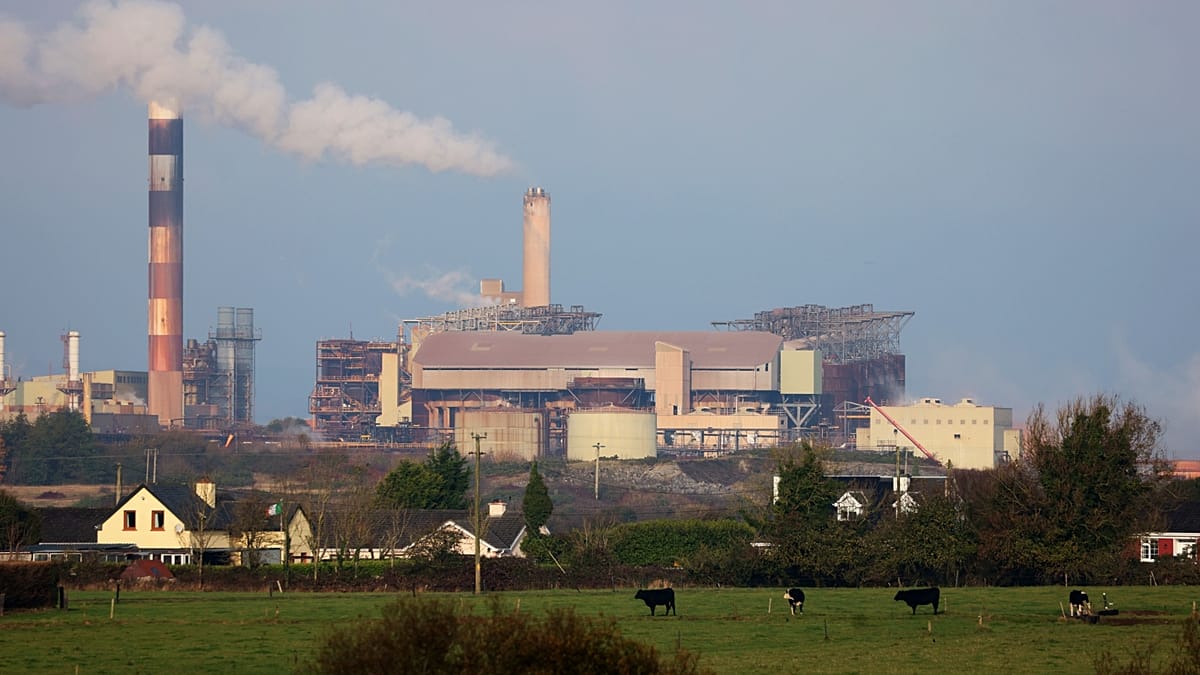
The issue gained prominence earlier this year when a media consortium published an investigation tracing links between Aughinish Alumina, a large refinery in western Ireland, and Russia's military complex. The report detailed how Irish-made alumina is sent to Russian smelters owned by United Company Rusal, which then supplies aluminium to a trader that sells to sanctioned defence manufacturers. Those manufacturers produce weapons used against Ukrainian civilians, according to the investigation.
Separately, Swedish authorities concluded that Rusal remains under the effective control of Oleg Deripaska, a sanctioned Russian oligarch with close ties to the Kremlin. The revelations triggered a scandal in Ireland, just as the country was preparing to take over the EU Council's six-month presidency.
Ukraine's leadership urged Dublin to halt alumina sales to Russia immediately. The Irish government warned that sanctions could cost hundreds of local jobs and disrupt a strategic supply chain for Europe. Dublin launched a probe, which ended inconclusively, finding "no evidence" to either confirm or refute the link between Irish alumina and Russian weapons. The findings were passed to Brussels for consideration.
Aughinish said it took the allegations "with the utmost seriousness" and promised to establish a framework of "independent, third-party verification" to enhance surveillance of alumina flows into Russian smelters. Still, doubts persisted.
McGarry acknowledged that the summer's events revealed gaps in knowledge. "One thing that was clear from what we saw over the summer when it came to Aughinish is that no one had the complete picture," she said. "Alumina is a critical raw material, and we do have industries in Europe that rely on alumina, so we need to see whether we have the right balance."
Ireland's Department of Enterprise, Tourism and Employment said it was "aware" of the reporting mechanism but declined to comment until final adoption. A spokesperson said, "As Presidency, we stand ready to work with the Commission and all member states to secure the adoption of an ambitious package." Aughinish did not immediately reply to a request for comment.
The reporting mechanism is part of a broader effort to close loopholes in sanctions enforcement. Ukraine has pressed the EU to sanction Rosatom and Irish alumina exports, but the Commission has so far resisted a full ban, citing the need for more data. The move also comes as EU energy officials insist Russian gas is gone for good, underscoring the bloc's determination to reduce energy dependence on Moscow.
Critics, including some MEPs, have expressed disappointment that an export ban was not proposed. One official called the decision a "clear example" of political interests obstructing a "rightful measure". The reporting mechanism, while a step forward, leaves the door open for further action if the data raises alarm.
As the EU navigates its 22nd sanctions package, the alumina issue highlights the delicate balance between economic interests and security concerns. The reporting mechanism, if adopted, will provide Brussels with the transparency it needs to make informed decisions about future measures.