Budget negotiations in Brussels are rarely smooth, but the current round over the EU's next seven-year financial framework is proving especially fraught. The European Parliament and the Council are at odds over the overall size of the budget, with national capitals pushing for restraint while MEPs demand more ambition. The sharpest new fault line, however, is the future financing of Ukraine.
Ukraine funding becomes the central sticking point
As the war in Ukraine grinds on, EU leaders are wrestling with how to provide predictable, long-term financial support to Kyiv. The European Commission has proposed a dedicated Ukraine facility, but member states are split over the scale and the conditions attached. Some capitals, particularly in Western Europe, argue that the EU must step up, while others, notably the Visegrád countries, are demanding a rethink on both the size of the budget and the share earmarked for Ukraine.
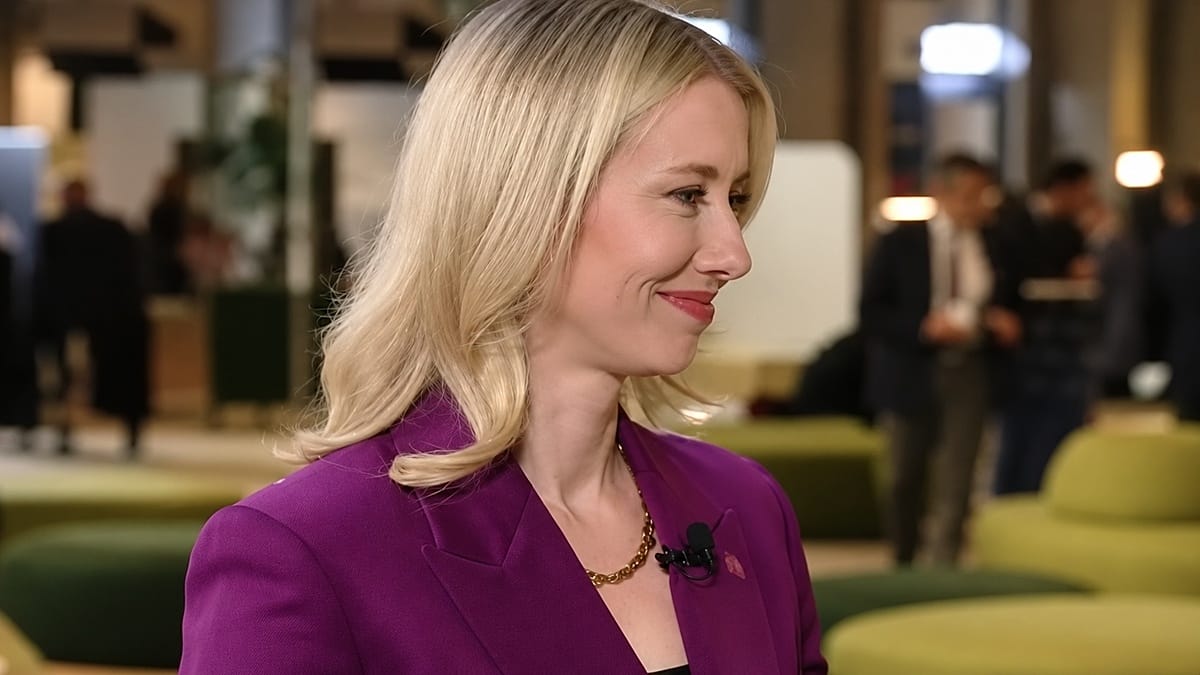
Slovak MEP Lucia Yar, from Progressive Slovakia and part of the Renew Europe group, discussed the impasse on the new weekly show Europe Tonight. She noted that the Parliament is determined to secure a budget that reflects the EU's strategic priorities, including support for Ukraine, but that the Council's position is far more cautious. "We cannot abandon Ukraine at this critical moment," Yar said, "but we also need to be honest about the fiscal constraints facing member states."
Farm subsidies and new taxes
Beyond Ukraine, the perennial battle over the Common Agricultural Policy (CAP) is resurfacing. France, Spain, and other agricultural heavyweights are resisting deep cuts to farm subsidies, while the Netherlands and the Nordic countries are pushing for a more modern, greener CAP. The Parliament has also floated the idea of new own resources, such as a digital tax or a carbon border adjustment mechanism, to boost the EU's revenue. But the so-called frugal countries—Austria, the Netherlands, Denmark, and Sweden—remain skeptical of any new taxes that would increase the overall budget.
The latest proposal from the Council presidency attempts to bridge the gap by offering deeper cuts in some areas while introducing a digital tax to win over the frugals. Yet, as talks have hit deadlock, it is unclear whether this compromise can hold.
Visegrád pushback and domestic pressures
The Visegrád Group—Poland, Hungary, the Czech Republic, and Slovakia—has been vocal in demanding a reassessment of the budget's priorities. They argue that cohesion funds and agricultural payments should not be slashed to accommodate new spending on Ukraine or climate goals. Their pushback has complicated negotiations, as they hold significant voting weight in the Council.
Meanwhile, domestic political pressures are spilling into the EU arena. In Belgium, for instance, unions have gone on strike as the coalition government struggles to agree on its own budget cuts, a reminder that fiscal discipline at the national level often clashes with EU-level spending ambitions.
What's at stake
The outcome of these negotiations will shape the EU's ability to act on multiple fronts: from supporting Ukraine's reconstruction to investing in defence, digital transformation, and the green transition. Europe's AI leaders have warned that without adequate funding, the bloc risks falling further behind the US and China in critical technologies.
As the clock ticks toward the end of the year, the pressure is mounting on all sides. The Parliament has threatened to reject any budget that fails to meet its red lines, while member states are wary of raising their contributions. The coming weeks will be crucial in determining whether the EU can forge a consensus or whether the bloc will stumble into a prolonged crisis.
For now, the mood in Brussels is tense. As one diplomat put it, "We are all aware that this is not just about numbers; it's about the kind of Europe we want to be."