The European Union is heading into a bruising battle over its next seven-year budget, with the European Parliament, member states, and national capitals all pulling in different directions. The core question: can a bloc of 27 countries, each with its own fiscal red lines, pool enough money to keep pace with the strategic investments of China and the United States?
At the centre of the standoff is a proposal from European Council President António Costa that envisages another round of significant cuts. That plan has already drawn sharp criticism from the Parliament, which argues that slashing spending would undermine the EU's ability to fund its stated priorities—from defence and digital transformation to climate action and enlargement.
Farm subsidies vs. future priorities
The most explosive fault line remains agriculture. The Common Agricultural Policy (CAP) has long consumed a huge share of the EU budget, and any attempt to trim it triggers immediate pushback from farming lobbies and countries like France, Spain, and Poland. Yet many in Brussels and in northern capitals argue that the bloc cannot afford to keep pouring money into traditional subsidies while new challenges—such as competing with US tech giants and Chinese state-backed industries—demand fresh investment.
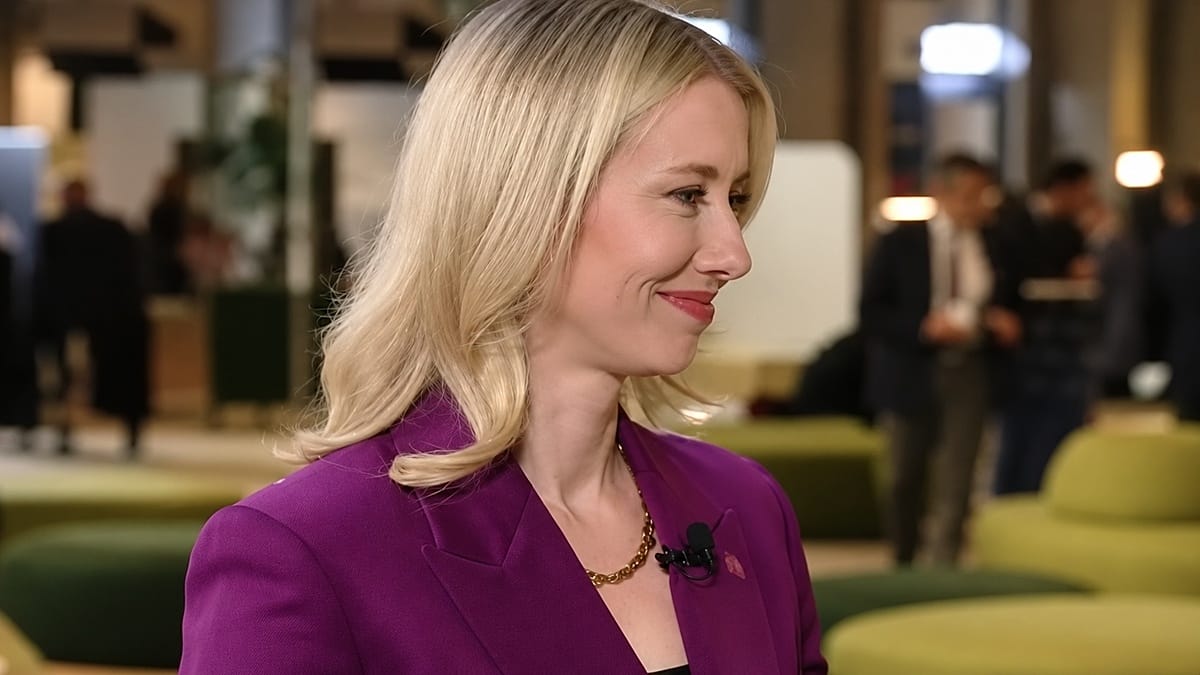
Lukas Gutenberg, director of the Bertelsmann Stiftung, joined Europe Tonight to dissect the dilemma. He noted that the EU is being asked to “do more with less” at a time when its geopolitical rivals are scaling up. “The paradox is that the EU wants to be a global player, but its budget is shrinking in real terms,” Gutenberg said. “You cannot fund a strategic agenda with a 1980s budget structure.”
The budget talks have already hit rough waters, with Ukraine funding emerging as another flashpoint. Eastern member states, particularly those bordering Russia, insist that support for Kyiv must remain a top priority. But some western governments are reluctant to commit new money, especially as domestic budgets tighten.
Digital levies and new revenue streams
To bridge the gap, the European Commission has floated the idea of new “own resources”—including a digital levy on large tech companies and a carbon border adjustment mechanism. These would reduce the reliance on direct national contributions, but they face stiff resistance from low-tax member states like Ireland and Luxembourg, as well as from business groups that warn of extra compliance costs.
The deadlock over the budget's size and financing has already forced leaders to postpone key decisions. A summit in December ended without a breakthrough, and diplomats now say a final deal is unlikely before mid-2025. That would leave the EU operating on a provisional budget, a scenario that would delay critical programmes and undermine investor confidence.
Visegrád pushback and the Western Balkans
Adding to the friction, the Visegrád group—Poland, Czechia, Slovakia, and Hungary—has demanded a rethink of the proposed cuts. Their leaders argue that cohesion funds, which have helped transform their economies since EU accession, should not be sacrificed to pay for new priorities. “We are not against modernisation, but we cannot be the ones who pay for it,” one diplomat said.
The Visegrád pushback has also complicated the EU's approach to the Western Balkans. Several member states want to accelerate enlargement to include countries like Albania and North Macedonia, but that would require additional funding—money that is currently not on the table. The clash over Ukraine loans and Western Balkans friction shows how interconnected these debates have become.
Can Europe compete?
The stakes go beyond internal politics. The United States has passed massive subsidy packages for green tech and semiconductors, while China is pouring billions into state-led industrial policy. The EU, by contrast, is struggling to agree on a modest increase in its own resources. As Gutenberg put it, “If Europe wants to be a player, it needs to act like one. That means making hard choices about what to fund and what to cut.”
Some analysts argue that the EU could still punch above its weight by focusing on regulatory power and the single market, rather than trying to match US or Chinese spending. But that approach has limits. “You can't regulate your way to strategic autonomy,” said one Brussels-based economist. “At some point, you need money.”
The coming months will test whether the EU can overcome its internal divisions. With the European Parliament elections behind them, leaders have a narrow window to strike a deal before the next budget cycle begins. If they fail, the bloc risks entering a period of drift—just as its competitors are accelerating.