Belgium has joined a growing list of European nations under health alert as an unprecedented heatwave sweeps across the continent. The Royal Meteorological Institute of Belgium (KMI/IRM) issued a red alert for most of the country on Tuesday, warning that temperatures could reach 42°C in some areas, surpassing the previous national record of 41.8°C set in 2019.
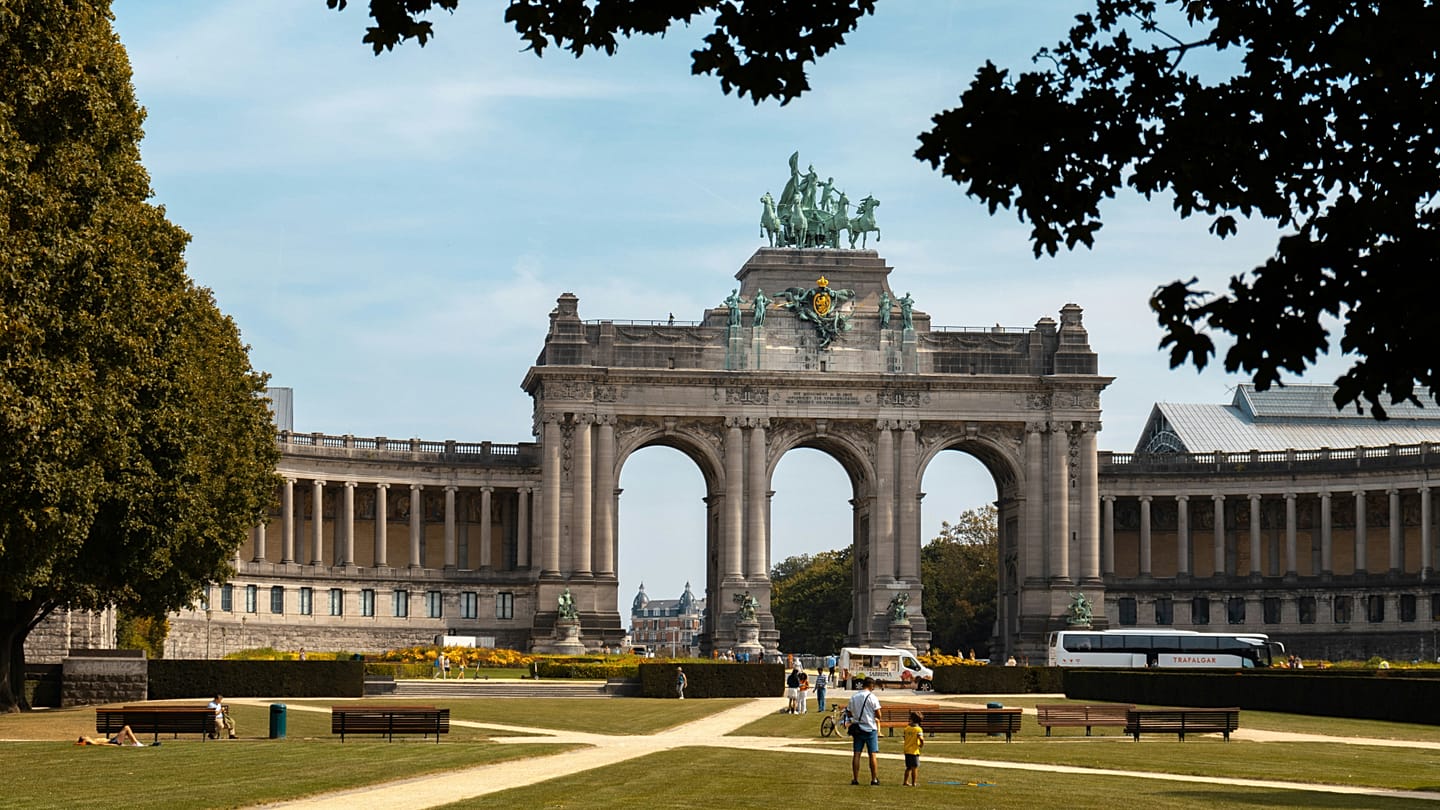
The heatwave, which has already caused power cuts in Finistère, France, and triggered wildfire alerts across southern Europe, is now intensifying in the Benelux region. In Brussels, residents have been seeking relief in public fountains, while the city's parks and shaded squares have become gathering points for those without air conditioning.
Health Measures and Public Warnings
Belgian health authorities have activated the national heatwave plan, which includes measures such as opening cooling centers, extending public pool hours, and distributing water to homeless populations. The federal health minister urged citizens to check on elderly neighbors and avoid outdoor activities during peak heat hours.
“This is not just a discomfort; it is a serious health risk,” said a spokesperson for the Belgian Federal Public Service for Health. “We are seeing increased hospital admissions for heatstroke and dehydration, particularly among the elderly and those with pre-existing conditions.”
The alert comes as Brussels residents seek relief in fountains and other public water features, a scene repeated across the capital and other major cities like Antwerp and Liège.
Broader European Context
Belgium is far from alone in facing this extreme weather. France recorded its hottest day of the year on Monday, with temperatures exceeding 45°C in the southern region of Gard. Red heat alerts across Europe have been issued in multiple countries, including Spain, Italy, and Germany, where the German Weather Service (DWD) has warned of severe heat stress.
The heatwave has also led to a tragic increase in drownings, with at least 40 deaths reported in France alone over the past week as people sought to cool off in rivers, lakes, and the sea. In response, Paris's 'Ciné-clim' initiative has opened air-conditioned cinemas as cool refuges for residents without access to cooling.
Climate Change, Not El Niño
While some have attributed the extreme temperatures to the El Niño weather pattern, climate scientists are clear that the primary driver is human-induced climate change. Europe's heatwave is not El Niño's fault, according to researchers at the European Centre for Medium-Range Weather Forecasts (ECMWF) in Reading, UK. They note that the frequency and intensity of such heatwaves have increased dramatically since the pre-industrial era.
“The baseline has shifted,” said Dr. Elena García, a climatologist at the University of Barcelona. “What we now call a record heatwave would have been virtually impossible without climate change. This is the new normal for Europe.”
The heatwave is expected to persist through the end of the week, with a slight cooling trend forecast for the weekend. However, authorities warn that the risk of wildfires remains high, particularly in southern Belgium and the Ardennes region, where dry conditions have already led to several small blazes.
For now, the focus remains on public safety. In Brussels, the iconic Atomium has extended its opening hours to offer a cool indoor space for visitors, while the city's parks department has set up misting stations in key public squares. The message from officials is clear: stay hydrated, stay indoors, and look out for one another.