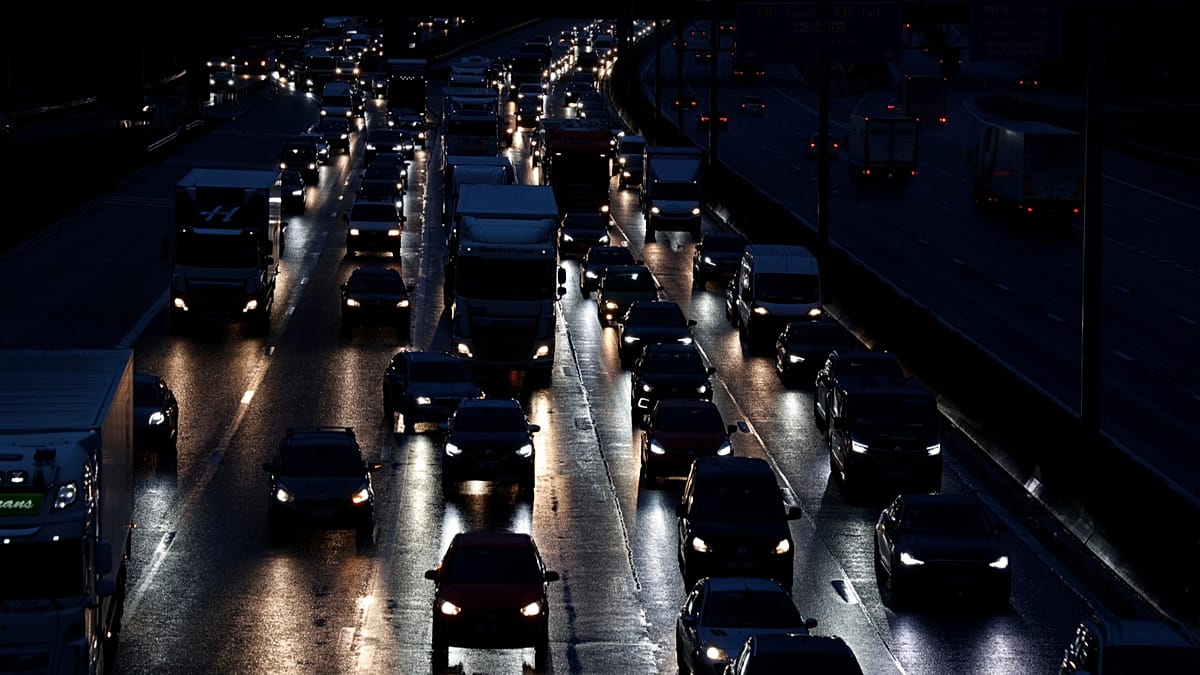
Belgium's three regions—Flanders, Wallonia, and Brussels-Capital—announced on Friday a joint plan to introduce a road tax for all drivers using the country's highways, including those merely passing through. The measure, set to take effect on 1 May 2027, marks a significant shift for a nation that has long debated but never implemented nationwide tolls on its motorway network.
A Long-Awaited Move
For years, Belgian policymakers have grappled with how to fund road maintenance without placing an unfair burden on residents. Currently, drivers can use almost all highways toll-free, a situation that has drawn criticism from neighbouring countries with established toll systems. The new tax aims to address this gap by ensuring that everyone who uses Belgian roads contributes to their upkeep, as Wallonia's transport minister, François Desquesnes, put it: "Everyone who uses our roads must contribute fairly to their maintenance."
The proposal still requires final approval from each regional parliament and the European Commission, which must verify that the scheme complies with EU rules on non-discriminatory road charging. Given the consensus among the three regions, approval is widely expected.
How the Tax Will Work
From 1 May 2027, drivers will need to register their vehicle and purchase a pass before using Belgian motorways. The system will offer both annual and day passes, with prices varying by vehicle emissions:
- Zero-emission cars: €90 per year
- Higher-polluting vehicles: up to €125 per year
- Day passes: available for transit drivers crossing the country
Road cameras will enforce the tax, and drivers caught without a valid pass will face a fine of €70. The revenue will be earmarked for the operation and maintenance of the road network, which is managed separately by each region.
Political and Economic Context
The announcement comes amid broader debates about infrastructure funding and environmental policy in Belgium. The chairman of the liberal-conservative MR party, which is part of the federal government, stated that the government intends to offset the new toll by lowering other taxes for Belgian residents. This move is seen as an attempt to soften the impact on domestic drivers, who will bear the brunt of the charge alongside foreign transit traffic.
Belgium's road network is a critical artery for European freight transport, linking ports like Antwerp—a hub that has faced its own challenges, including rising drug-related violence—with the rest of the continent. The new tax could affect logistics companies and international hauliers, though the day-pass option is designed to minimise disruption for transit traffic.
Environmental and Social Implications
The tiered pricing structure, with lower rates for zero-emission vehicles, aligns with Belgium's broader environmental goals. The country has been grappling with pollution and climate-related issues, including a deadly heatwave last June that officials linked to a 39% rise in deaths. Encouraging cleaner vehicles through road pricing could help reduce emissions, though critics argue that the tax may disproportionately affect lower-income drivers who cannot afford newer, greener cars.
Belgium's regions have also faced scrutiny over environmental scandals, such as the PFAS contamination crisis that led to a human rights complaint. The road tax revenue could be used to address such legacy issues, though no specific allocation has been announced.
What Comes Next
The regions will now work on the technical details of the system, including the registration process and camera enforcement. The European Commission will review the plan to ensure it does not discriminate against foreign drivers—a key requirement under EU law. If approved, Belgium will join a growing list of European countries that charge for road use, including France, Italy, and Austria.
For now, the announcement marks a decisive step in a debate that has lingered for years. As Desquesnes emphasised, the goal is fairness: ensuring that all who benefit from Belgium's roads help pay for them. Whether the tax achieves that balance—and how it affects the daily lives of drivers and the broader economy—will become clear once the system goes live in 2027.