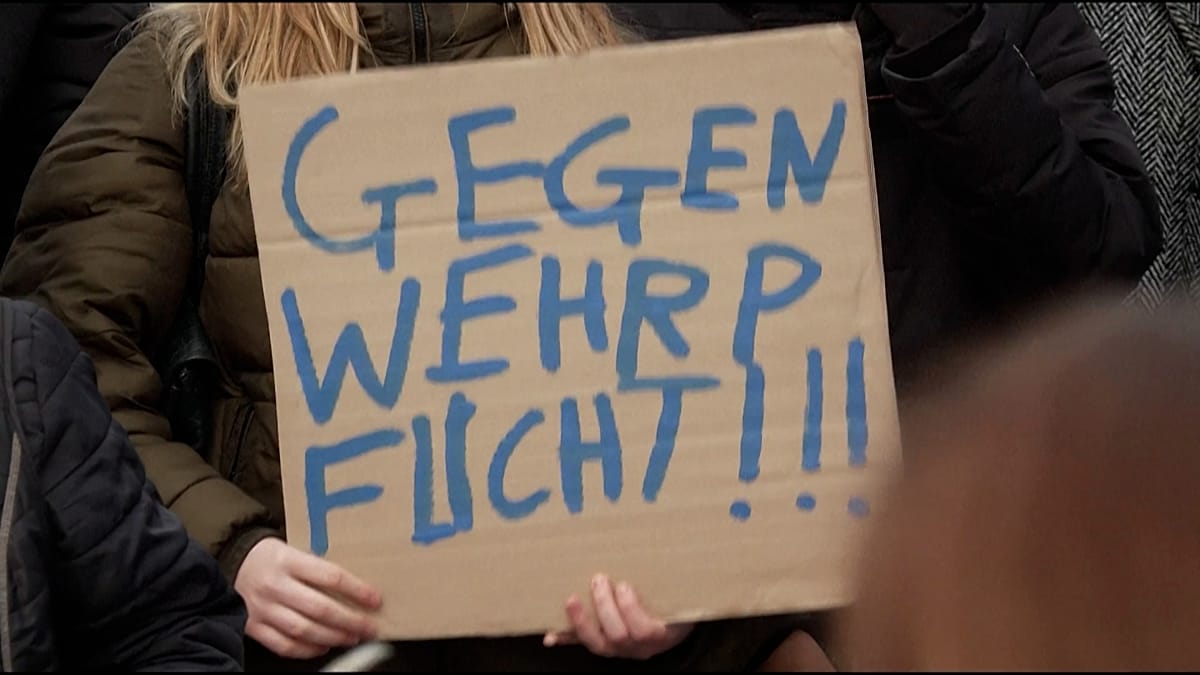
On Friday, 20 November 2026, an estimated several thousand students took to the streets of Berlin, voicing opposition to Germany's accelerated military buildup and the prospect of reintroducing compulsory military service. The demonstration, which wound through the capital's central districts, was part of a wider surge of youth-led protests across Europe, reflecting growing unease among younger generations about the continent's security trajectory.
Chants and demands
Protesters carried banners reading “No to rearmament” and “Education, not conscription,” while chants echoed through the streets calling for dialogue over defense spending. Many participants expressed concern that the government's focus on military expansion comes at the expense of social programs and climate action. “We are being asked to sacrifice our futures for a security policy that feels outdated,” said Lena Hoffmann, a 22-year-old sociology student from Freie Universität Berlin. “We want investment in schools, hospitals, and green infrastructure, not tanks.”
The demonstration comes amid a broader debate in Germany about the future of its armed forces. Chancellor Olaf Scholz's coalition has pledged to modernize the Bundeswehr and increase defense spending to meet NATO targets, but proposals to reintroduce some form of conscription—suspended in 2011—have sparked fierce public debate. A recent government-commissioned report suggested that a mandatory service year, either military or civilian, could help address personnel shortages, but critics argue it would be an infringement on personal freedoms.
Part of a European wave
Friday's march in Berlin was not an isolated event. Similar demonstrations have taken place in recent weeks in Paris, Warsaw, and Rome, with students and young workers linking arms against what they see as a militaristic turn in European policy. The protests echo the coordinated protests across Europe that have demanded higher wages and better public services, suggesting a generational divide over priorities.
In Serbia, a student movement has already secured a historic political shift, demonstrating the potential influence of youth activism. Observers note that the current wave of demonstrations, while diverse in focus, shares a common thread: a demand for governments to listen to younger citizens who will inherit the consequences of today's decisions.
Government response
So far, the German government has responded cautiously. Defense Minister Boris Pistorius acknowledged the protesters' right to demonstrate but reiterated the need for a credible defense posture, especially in light of Russia's war in Ukraine. “We must ensure our security, but we also hear the concerns of our youth,” he said in a statement. “The debate is welcome, and we will engage with it.”
However, some protesters remain skeptical. “They say they hear us, but their actions speak louder,” said Jonas Weber, a 19-year-old apprentice from Potsdam. “Every week there's a new announcement about buying jets or tanks, but nothing about affordable housing or student debt.”
The protest also drew attention to the broader geopolitical context. As Berlin prepares to host high-level security talks with European leaders, the demonstrators urged policymakers to prioritize diplomacy over deterrence. “We don't want a new Cold War,” said one banner. “We want a Europe that leads with peace.”
Friday's march ended peacefully at the Brandenburg Gate, where organizers read a statement calling for a national referendum on any reintroduction of conscription. They vowed to continue their campaign, with further actions planned in other German cities in the coming weeks.
The scene in Berlin reflects a deeper tension within European societies: how to balance security needs with the aspirations of a generation that has known relative peace but faces economic uncertainty and climate anxiety. As the continent grapples with these questions, the voices of its youth are likely to grow louder.