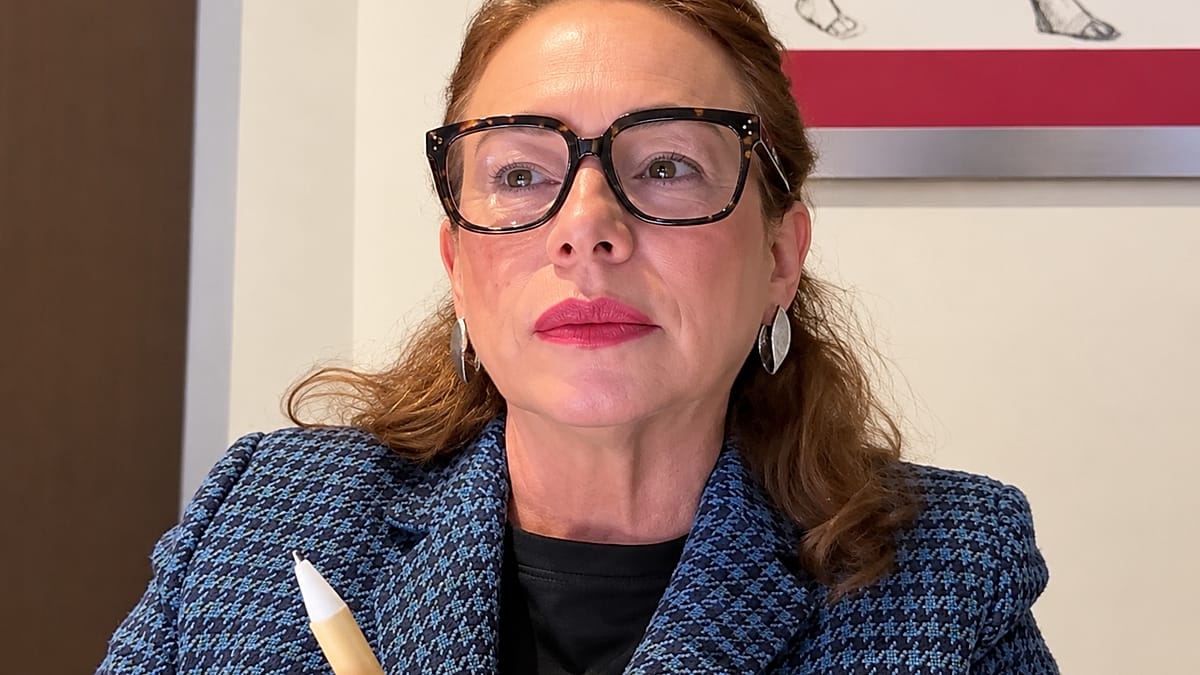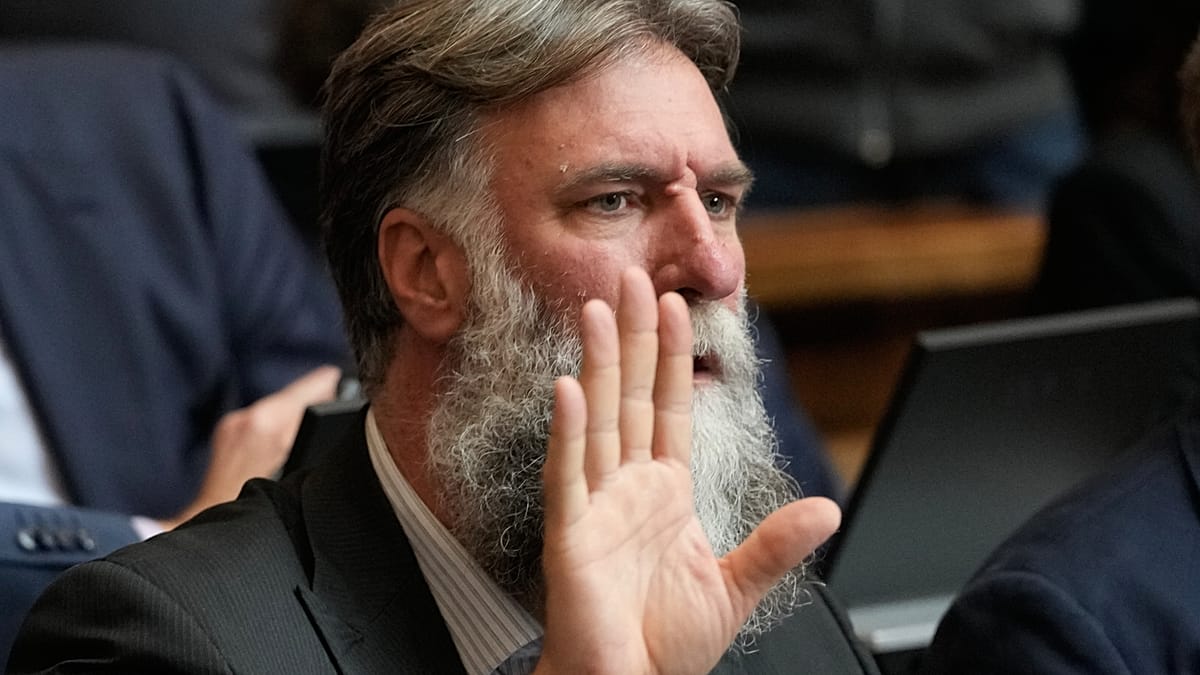
Serbia's student-led opposition has taken a decisive step toward forming a government, electing university lecturer Aleksandar Čupić as parliament speaker. The appointment, which came after last month's parliamentary election, marks the first time in the country's history that a grassroots protest movement has secured the majority needed to govern.
Čupić, a doctor of science and assistant professor at the University of Belgrade, won 140 votes in the 250-member assembly, while the candidate from the Serbian Progressive Party (SNS) received just 97. The new cohort of student-backed lawmakers is largely composed of teachers, professors, and experts with established careers but little or no political experience.
“I have been given a huge honour, obligation and responsibility,” Čupić said after his election. He promised to restore Parliament's dignity and foster “dialogue and tolerance” among lawmakers. “I pledge to be strict and just in this position, as I always have been in life,” he added.
A movement born from tragedy
The student movement's rise to power follows two years of anti-corruption protests that began after a canopy collapse at a train station in Novi Sad killed 16 people in November 2024. Many demonstrators blamed the disaster on rampant corruption in construction projects, and the tragedy became a catalyst for widespread public anger against the government of Aleksandar Vučić.
The election victory and Čupić's appointment represent a significant shift in Serbia's political landscape. However, Vučić's party still controls the government administration and other state institutions, and the outgoing president has accused the students of “revolutionary terror” following a surge in post-election arrests that included officials, police officers, and a private bank owner allegedly involved in a money-siphoning scheme.
According to Serbian law, a new government must be voted into office within 90 days of the new Parliament's first session. As speaker, Čupić will also serve as acting president and is expected to schedule an early presidential election, which must be held by the end of the year.
The political transition in Belgrade is being closely watched across Europe, particularly in Brussels, where the European People's Party is set to suspend Serbia's SNS party over its ties to Russia and the recent crackdown on dissent. The move could further isolate Vučić's party within the European mainstream.
For many Serbians, the change in parliament is a moment of hope, but the path ahead remains fraught. The student movement must now navigate the complexities of forming a government while facing resistance from entrenched interests. As Čupić takes on his new role, the eyes of the region are on Belgrade, watching whether this historic shift can translate into lasting reform.