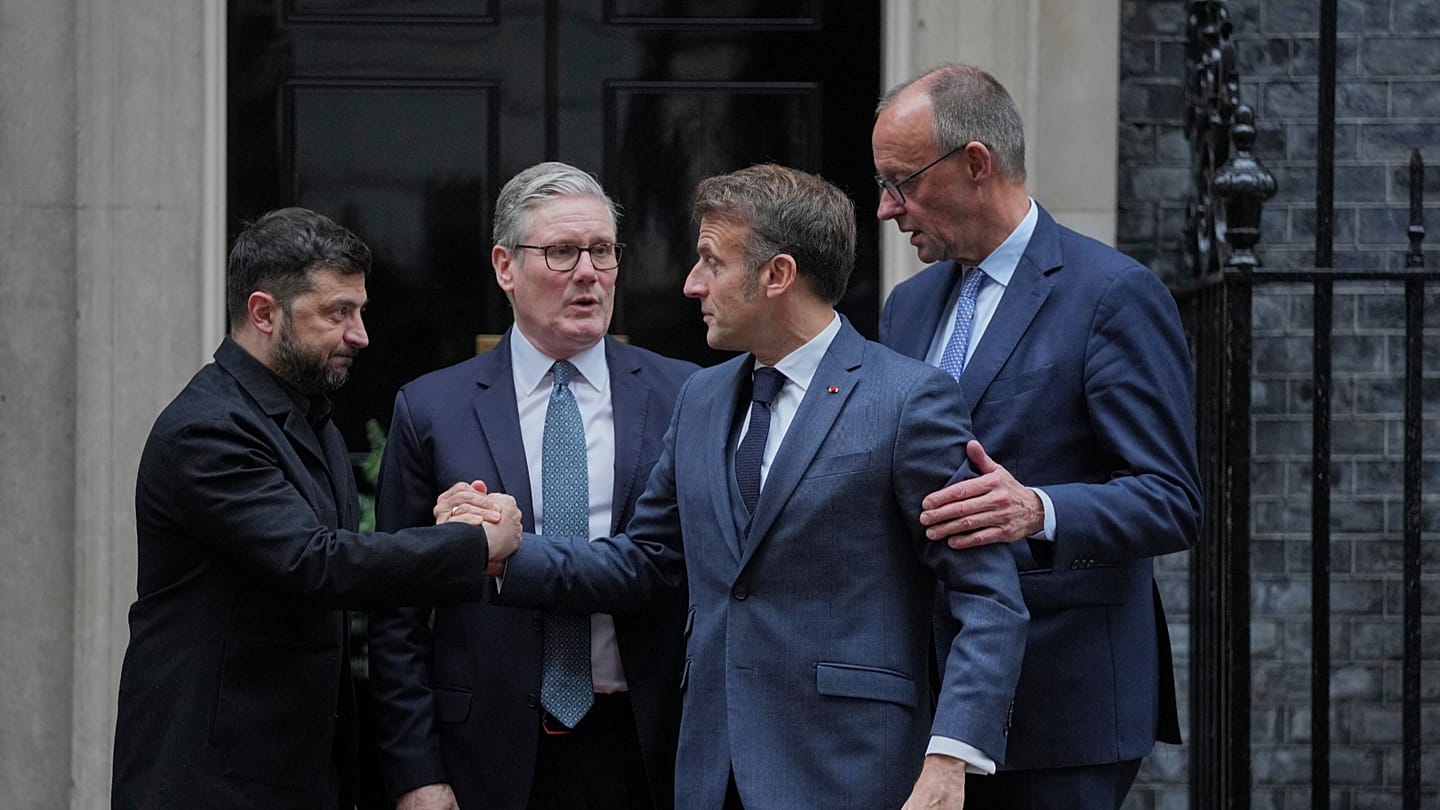
All eyes are on Berlin this week as Ukrainian President Volodymyr Zelenskyy and Polish Prime Minister Donald Tusk attempt to defuse rising tensions between their capitals. The meeting comes at a critical juncture for European unity, with the war in Ukraine entering its third year and the continent grappling with internal divisions that Moscow is keen to exploit.
The friction between Poland and Ukraine has been building for months, fueled by disputes over agricultural exports and historical grievances. Poland, one of Ukraine's staunchest allies since Russia's full-scale invasion, has grown frustrated with what Warsaw sees as Kyiv's lack of gratitude for its support. In turn, Ukrainian officials have bristled at what they perceive as Polish interference in their internal affairs. The European Commission has warned that this spat plays directly into Vladimir Putin's hands, urging both sides to find common ground.
A Test for European Solidarity
The Berlin summit is not just about bilateral relations; it is a test of the broader European commitment to Ukraine's defense. As EU defence chiefs gather in Berlin to coordinate military aid, the outcome of the Zelenskyy-Tusk talks will signal whether the alliance can maintain a united front. Any public rift could embolden Russia and complicate efforts to sustain Western support for Kyiv.
Poland has been a logistical hub for Western weapons flowing into Ukraine and has taken in millions of refugees. Yet recent months have seen a chill in relations, with Polish farmers blocking border crossings in protest over cheap Ukrainian grain imports. Tusk, who returned to power in December 2023, has sought to balance domestic pressures with the need to maintain solidarity with Kyiv. For his part, Zelenskyy has stressed that Ukraine's fight is Europe's fight, warning that any cracks in support could have dire consequences.
The meeting in Berlin is expected to address not only the grain dispute but also broader issues such as security guarantees and Ukraine's path toward EU membership. Poland has been a vocal advocate for Ukraine's accession, but the process remains fraught with political hurdles.
The Taliban Question
While the Berlin talks dominate headlines, another controversy is brewing in Brussels. The European Commission has confirmed that EU officials held secret talks with the Taliban in Brussels earlier this week, sparking outrage among human rights groups and some member states. The discussions, which focused on migration and the potential for deporting Afghan asylum seekers, mark the highest-level engagement between the EU and the Taliban since the group seized power in August 2021.
Critics argue that the talks legitimize a regime that has systematically repressed women and minorities. The Taliban delegation, which was granted visas by Belgium, insisted that they would only accept deportees on a voluntary basis. The EU, facing a surge in Afghan asylum applications, is exploring all options to manage migration flows. However, the secrecy of the talks has drawn sharp criticism from MEPs and NGOs, who accuse the Commission of prioritizing expediency over principles.
This is not the first time the EU has engaged with the Taliban. Previous meetings in Doha and Brussels have been met with similar backlash. The latest round of talks, however, comes as the EU struggles to forge a coherent migration policy, with member states deeply divided over how to handle asylum seekers from Afghanistan and other conflict zones.
The dual crises in Berlin and Brussels underscore the challenges facing Europe as it navigates a volatile geopolitical landscape. On one hand, the continent must sustain its support for Ukraine without alienating key allies like Poland. On the other, it must balance humanitarian obligations with domestic political pressures on migration. Both issues will test the EU's ability to act decisively and in unison.
As the week unfolds, the outcomes of these high-stakes meetings will shape Europe's posture on two of its most pressing foreign policy challenges. The message from Brussels is clear: unity is essential, but it is increasingly difficult to maintain.