Germany's tourism sector is enjoying an unprecedented boom, with the first half of 2026 setting a new record for overnight stays. According to the Federal Statistical Office, hotels, guesthouses and campsites across the country registered 223.8 million overnight stays between January and June—a figure that does not even include the growing number of holiday flats booked online. Domestic travellers remain the backbone of this growth, but international visitors are increasingly turning their attention to Germany's natural landscapes.
Among the most striking trends is the rising popularity of the Black Forest among southern Europeans, particularly Spaniards and Italians. While the region has long been associated with its famous gateau, the current appeal is less about confectionery and more about climate. As summer temperatures in the Mediterranean become increasingly oppressive, the dense woodlands and elevated terrain of south-west Germany offer a refreshing alternative.
A cool escape from the heat
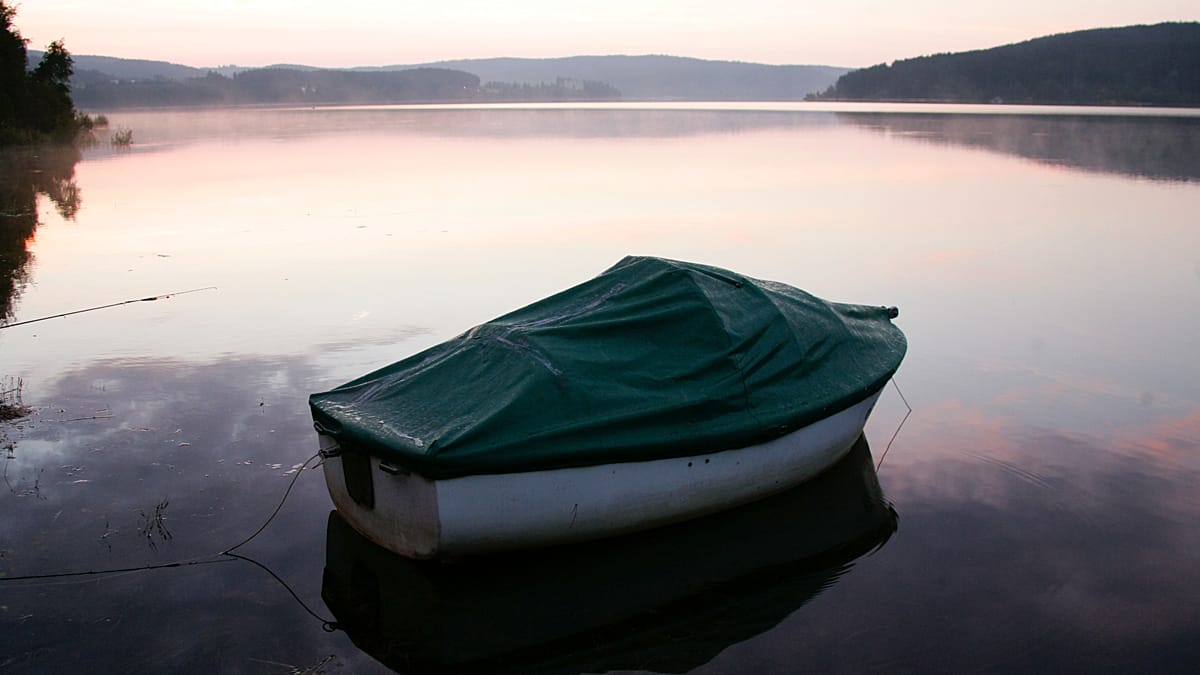
The Black Forest, with its highest peak the 1,493-metre Feldberg and the picturesque Titisee lake, is now firmly established as a 'coolcation' destination—a term that also applies to Scandinavia and Scotland. The concept has gained traction as climate change reshapes travel patterns, and the region's reputation has remained intact despite a summer of heatwaves in 2026 that also affected neighbouring France.
Data from Schwarzwald Tourismus GmbH shows that the number of Spanish visitors to the Black Forest has surged by 64 percent since 2015. The State Statistical Office of Baden-Württemberg counted 199,000 overnight stays by Spanish guests last year, with Italians close behind at 194,000. These figures underscore a broader shift in European travel behaviour, as holidaymakers from warmer countries seek out destinations that offer both natural beauty and relief from the heat.
The region's appeal is not solely climatic. The Black Forest is steeped in the folklore of the Brothers Grimm, who grew up nearby in the 19th century and collected tales that have become part of Europe's cultural heritage. The eerie atmosphere of stories like 'Hansel and Gretel' and 'Little Red Riding Hood' can still be felt on a summer walk through the forest's more mystical corners, adding a layer of cultural intrigue to the outdoor experience.
For those planning a visit, the Black Forest offers a network of well-marked hiking trails, charming villages and a growing number of sustainable tourism initiatives. The region's popularity is also reflected in online holiday rental bookings, where Germans lead the rankings, followed by visitors from the Netherlands, Poland and the United States.
As Europe grapples with the effects of climate change, the 'coolcation' trend is likely to persist. The Black Forest, with its combination of accessible nature, cultural heritage and relatively mild summer temperatures, is well positioned to remain a top choice for travellers from across the continent.