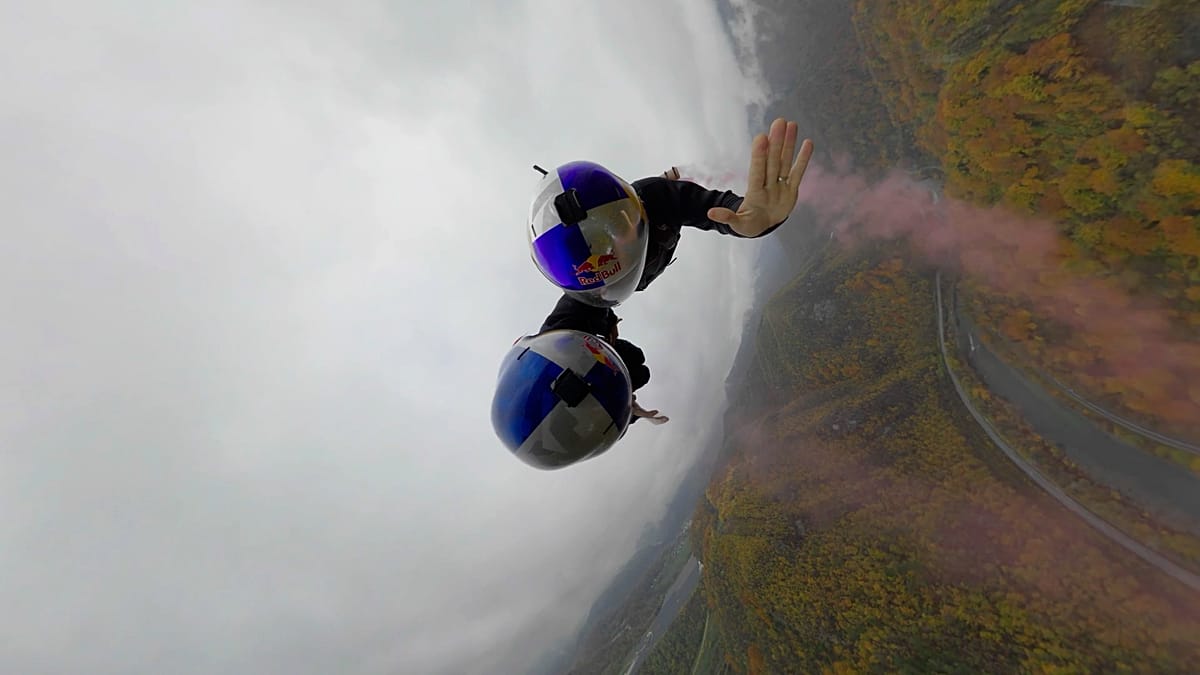
In the small Slovenian town of Trbovlje, two BASE jumpers have made history by launching themselves from the top of a 360-metre industrial chimney using what organisers describe as the world's largest human catapult. The stunt, which took place on a clear morning, earned the pair two Guinness World Records: the highest human catapult launch and the first BASE jump from a human catapult.
A leap from the chimney
The chimney, a landmark of the Trbovlje power station, is one of the tallest structures of its kind in Europe. The jumpers, both experienced in extreme sports, were strapped into a custom-built catapult mechanism that hurled them into the air before they deployed their parachutes. According to the organisers, the launch acceleration reached nearly 3 g, propelling the athletes to speeds exceeding 140 km/h within seconds.
"It felt like being shot out of a cannon," said one of the jumpers, who spoke on condition of anonymity. "The view from the top is breathtaking, but the moment the catapult releases, all you can think about is the parachute." The pair landed safely in a designated zone near the base of the chimney, where a crowd of onlookers and media had gathered.
The event was organised by Red Bull, the energy drink company known for sponsoring extreme sports. While the company has a long history of such stunts, this particular feat was years in the making. Engineers spent months designing the catapult, which had to be both powerful enough to launch a human and precise enough to ensure a safe trajectory. The device was tested with weighted dummies before the jumpers were allowed to use it.
Slovenia's extreme sports scene
Slovenia has become a hub for adventure sports in recent years, with its alpine terrain and industrial landmarks offering unique backdrops for such events. Trbovlje, once a mining and industrial centre, has been reinventing itself as a destination for urban exploration and extreme sports. The chimney, which was decommissioned in the 1990s, has become a symbol of the town's transition.
Local authorities welcomed the event, noting that it brought international attention to the region. "We are proud to host such a spectacular event," said the mayor of Trbovlje, who attended the launch. "It shows that our town is not just about the past, but also about the future." The event also drew attention to the broader trend of using industrial heritage sites for recreational purposes, a movement that has gained traction across Europe.
While the stunt was a success, it also raised questions about safety and regulation. BASE jumping is illegal in many countries, and even in Slovenia, it requires special permits. The organisers worked closely with local authorities to ensure all safety protocols were followed. "We take safety very seriously," said a Red Bull spokesperson. "Every aspect of the jump was planned and tested to minimise risk."
The records were verified by Guinness World Records officials who were present at the event. They confirmed that the catapult launch met the criteria for the highest human catapult launch, and that the jump itself was the first of its kind. The jumpers' names will be added to the Guinness database, joining a long list of extreme sports achievements.
For the jumpers, the experience was both thrilling and humbling. "You have to respect the forces involved," one of them said. "It's not just about courage; it's about preparation and trust in the equipment." The pair, who have completed hundreds of jumps together, said they plan to continue pushing the boundaries of their sport.
The event has also sparked interest in similar stunts elsewhere in Europe. In neighbouring Austria, where tarantula sightings have been on the rise, officials are considering how to regulate such activities. Meanwhile, experts point out that extreme sports can have a positive impact on local economies, drawing tourists and media attention to smaller towns.
As the sun set over Trbovlje, the chimney stood as a silent witness to the day's achievements. For the town, it was a moment of pride; for the jumpers, a personal milestone. And for the world of extreme sports, it was a reminder that human ingenuity—and daring—knows no bounds.