For travellers seeking a city break without the constant hum of traffic, Europe is the clear winner. A new study by Avanti Travel Insurance has ranked the world's quietest cities for 2027, and every single entry in the top ten is on the continent.
The research draws on Euromonitor International's Top 100 City Destinations Index for 2025, filtering out destinations that are not fully open to visitors or that cover regions rather than single cities. Each city was assessed within a two-kilometre radius of its official centre, using OpenStreetMap data. The key metrics were the length of motorways and main roads, as well as the extent of pedestrianised streets. Fewer kilometres of major roads and more car-free zones scored positively, and the results were averaged to produce the final ranking.
The top ten were also examined for what the researchers call 'peacekeeping rules' – legally enforced quiet hours, nighttime curfews, caps on flights at the busiest airport, and Sunday trading restrictions. These factors helped distinguish the quietest destinations from merely less-trafficked ones.
Italy leads the way
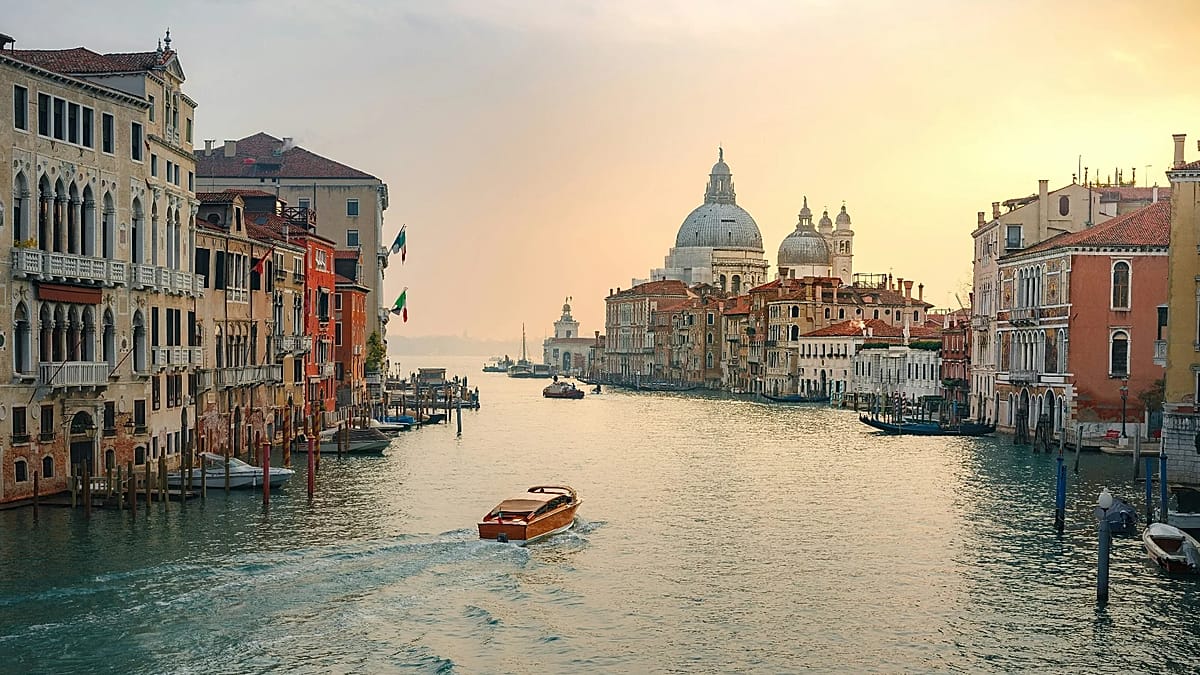
Italy is particularly well represented, with three cities in the top ten. Venice takes the number one spot, with barely two kilometres of busy roads within the central two-kilometre radius. The city boasts more than 170 kilometres of car-free streets, offering visitors a chance to explore its canals, historic squares, and winding lanes without the noise of traffic. Travel expert Sarah Rodrigues, who contributed to the report, notes that Venice is ideal for those seeking 'a break from traffic noise, as so much of the city is car-free.' She adds that getting up early to explore reveals a quieter side that 'tourists rarely see.'
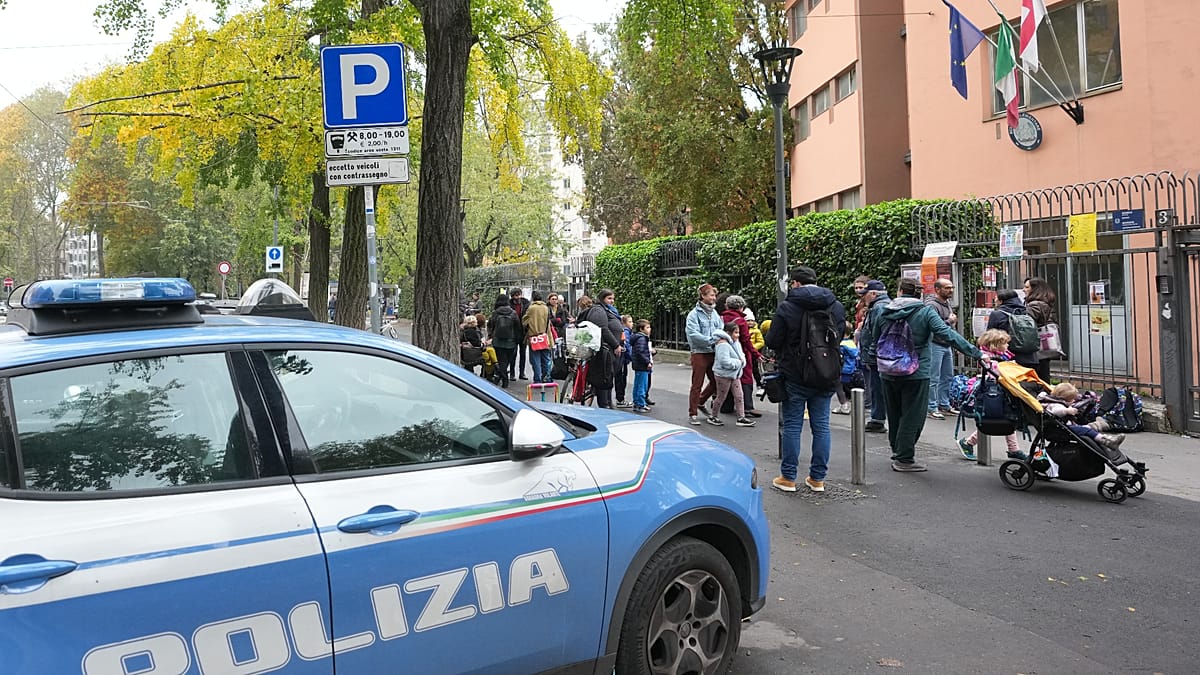
Milan and Florence also make the list, at eighth and ninth respectively. Both cities have made significant efforts to limit traffic in their historic centres, and their inclusion underscores Italy's broader commitment to pedestrian-friendly urban spaces.
Lisbon and Amsterdam round out the top three
Lisbon, Portugal's capital, comes in second. The city has one of the lowest densities of busy roads in the study, and its airport operates a cap on night flights. Visitors can enjoy tiled architecture, historic trams, and sweeping views over the Tagus River, as well as numerous green spaces that provide a calm respite from urban life. Rodrigues recommends the Gulbenkian gardens as a perfect spot to recharge: 'It's a great spot to recharge the batteries, and you can even fit in a bit of art or culture while you're there.'
Amsterdam, the Netherlands, takes third place. The Dutch capital features more than 30 kilometres of car-free streets and canal-side routes, allowing visitors to explore at a gentler pace. Beyond the famous waterways and museums, Amsterdam's diverse neighbourhoods offer independent shops, cafés, and local culture in a more relaxed setting. Rodrigues advises travellers to consider staying outside the very centre: 'You might find somewhere that suits you much better than staying right in the centre and gives you a quieter base to come back to after a day exploring.'
Other European cities in the top ten
The remaining spots are filled by Barcelona (Spain), Brussels (Belgium), Athens (Greece), Zürich (Switzerland), and Stockholm (Sweden). Each of these cities has made notable strides in reducing traffic and promoting pedestrian zones, making them attractive options for those who want to experience urban life without the usual noise.
For those willing to venture beyond Europe, Rodrigues also highlights quieter destinations on other continents, including Hoi An in Vietnam, Lamu Island in Kenya, and Nelson in New Zealand. But for now, Europe's combination of historic architecture, compact centres, and progressive urban planning makes it the undisputed leader in quiet city breaks.
As more travellers seek off-season travel to avoid crowds, these rankings offer a useful guide for planning a peaceful getaway. Whether you prefer the canals of Venice or the hills of Lisbon, Europe's quietest cities prove that you don't have to sacrifice culture for calm.