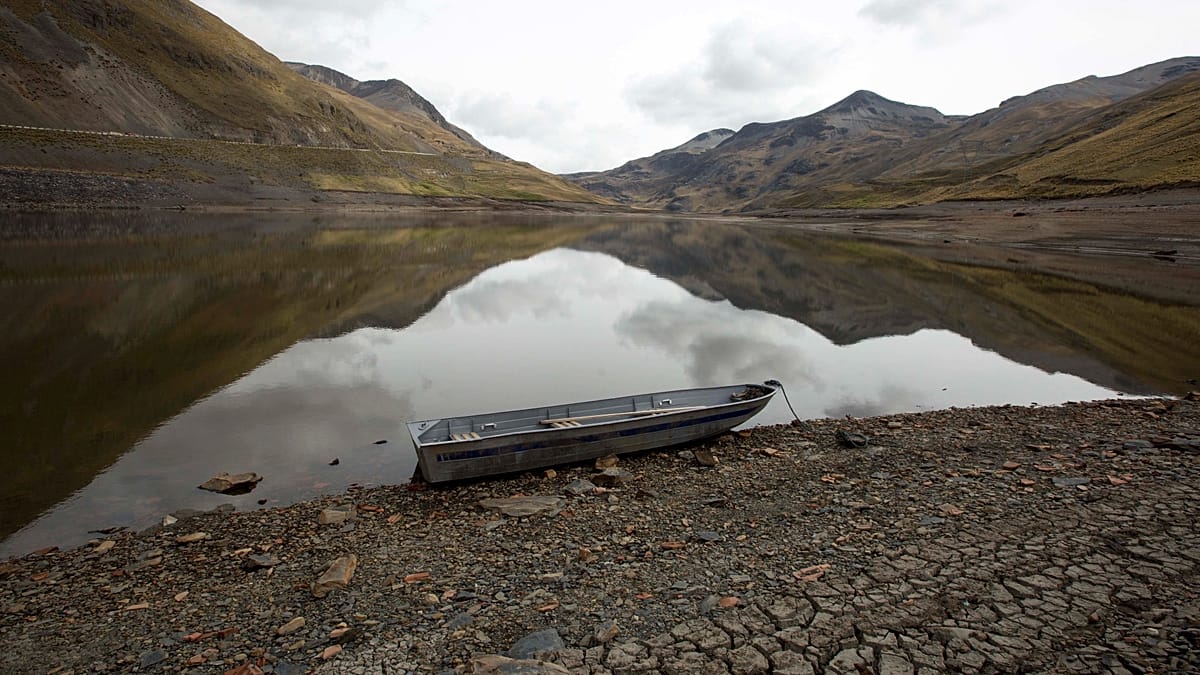
Bolivia has declared a national emergency in response to the El Niño weather phenomenon, which is already causing severe drought in large parts of the country and threatening floods elsewhere. President Rodrigo Paz announced the measure on 31 October, aiming to unlock financial and human resources to tackle the crisis.
The emergency decree covers the 2026-2027 period and addresses risks including droughts, floods, frosts, hailstorms, forest fires and river overflows. It is designed to facilitate a coordinated response between national and regional authorities, as well as with international partners.
“Unlike in other years, when we waited for this blow from the environment to arrive, we have taken a decision, with international cooperation and national efforts, to pool financial and human resources to deal with this phenomenon,” Paz said in a message to the nation.
Drought hits seven of nine departments
According to the Vice Ministry of Civil Defence, at least 78,200 families have been affected by drought in seven of Bolivia’s nine departments: La Paz, Oruro, Potosí, Cochabamba, Chuquisaca, Tarija and Santa Cruz. In addition, 63 communities have formally declared a drought, while others are preparing for possible flooding.
The president warned that the country could face a combination of extreme events, with some areas receiving little or no rain and others experiencing intense downpours. “This will be a phenomenon that will hit very hard, with both drought and flooding,” he said, calling on public administrations and citizens to work together to limit the damage.
El Niño is a natural climate phenomenon linked to the warming of waters in the equatorial Pacific, which disrupts rainfall and temperature patterns across the globe. In Bolivia, it can cause prolonged dry spells and episodes of heavy rainfall, with serious consequences for agriculture, livestock and human populations.
The declaration of emergency is intended to strengthen support for the most vulnerable communities and to ensure a swift, coordinated response. The government has said it will mobilise resources from national institutions and international cooperation to assist affected areas.
While Bolivia is far from Europe, the impacts of El Niño are felt worldwide, and European countries are increasingly paying attention to such climate-related emergencies. The situation in Bolivia echoes concerns raised in a recent Lancet report urging the WHO to declare climate change a health emergency, highlighting the global health and humanitarian dimensions of extreme weather events.
European nations have also faced their own water challenges, such as Puglia testing treated wastewater on olive groves to fight drought, showing that drought resilience is a shared concern across continents.
As Bolivia braces for the full impact of El Niño, the international community will be watching closely. The emergency decree is a proactive step, but the scale of the crisis—affecting tens of thousands of families—underscores the need for sustained support and adaptation measures.