The northern Portuguese city of Braga is set to host the Paraíso festival on 11 and 12 September, a two-day event dedicated to African heritage and the contemporary realities of Afro-descendant communities. Organised under the theme “Past and Future in Afro-descendence,” the festival weaves together music, gastronomy, cinema, and public conversations across several venues in the city.
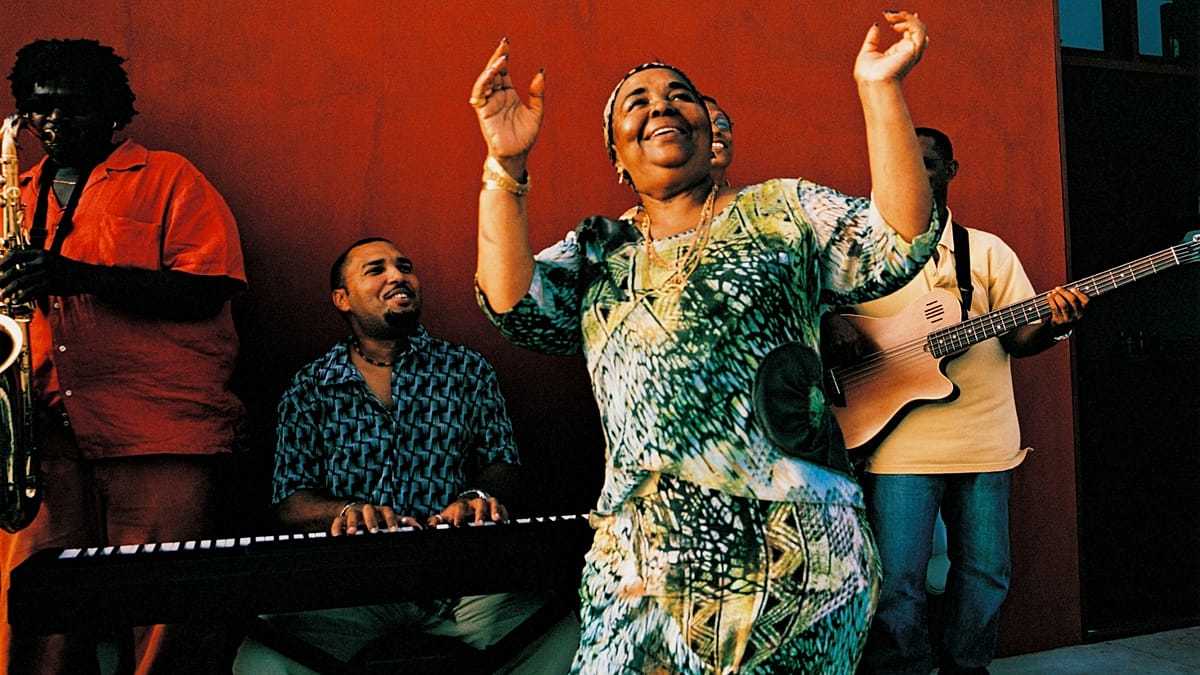
The centrepiece is a Saturday evening concert by the Cesária Évora Orchestra at the historic Theatro Circo. The ensemble brings together musicians who accompanied the legendary Cape Verdean singer—known as the “Barefoot Diva”—during her most productive years, both on stage and in the studio. Among them is Teófilo Chantre, the composer behind many of Évora's most beloved songs. The orchestra will back three of Cape Verde's most celebrated contemporary voices: Elida Almeida, Lucibela, and Ceuzany. The performance, scheduled for 21:30, serves as a tribute to Évora, who died in 2011 and remains one of the archipelago's most enduring cultural symbols.
A programme that spans genres and generations
Beyond the headline concert, Paraíso spreads across the city. On Friday 11 September, the gnration venue will screen Si Destino, a film by Vanessa Fernandes, followed by a debate between the director and academic Ana Cristina Pereira, also known as Kitty Furtado, one of the festival's curators. The conversation is expected to explore the intersections of migration, identity, and memory that the film raises.
Saturday's programme at gnration turns to the practical challenges of building more equitable cultural spaces. A panel discussion will present the Anti-racist Handbook for the Arts and Education, a project developed by Dori Nigro, Melissa Rodrigues, and Raquel Lima, members of the União Negra das Artes collective. The handbook, which is soon to be published as a book, offers tools for artists, educators, and institutions to confront racism in their fields. The presentation is part of the centenary commemorations of the birth of Amílcar Cabral, the revolutionary thinker and leader who played a pivotal role in the independence movements of Guinea-Bissau and Cape Verde.
Organisers frame the festival as a space for reflection at a moment when Europe is increasingly questioning its colonial legacies and the place of African diasporas within its societies. “At a time when it is important to look at what preceded us in order to be able to project what lies ahead, we propose to debate ways of existing between the heritage we receive and the realities we build collectively,” they said in a statement.
The event also marks the 30th anniversary of the Community of Portuguese Language Countries (CPLP), an intergovernmental organisation that unites Lusophone nations across four continents. Paraíso is part of the official programme celebrating that milestone, underscoring the deep historical and cultural ties between Portugal and its former colonies in Africa.
Braga, a city better known for its baroque churches and conservative Catholic traditions, may seem an unlikely host for such an event. Yet the festival's organisers see it as a deliberate choice. By bringing African heritage to the heart of northern Portugal, they aim to challenge assumptions about where these conversations belong and to reach audiences beyond the usual metropolitan centres.
The festival's venues—Theatro Circo, Centésima Página bookshop, and gnration—are all within walking distance of each other, encouraging attendees to move fluidly between performances, screenings, and debates. The inclusion of gastronomy in the programme adds another sensory layer, inviting participants to taste the flavours of the African continent as part of the cultural exchange.
For those unable to attend in person, the organisers have indicated that some sessions may be streamed online, though details have yet to be confirmed. The full schedule is available on the festival's official channels.
As Europe grapples with questions of identity, migration, and belonging, events like Paraíso offer a model for how cultural institutions can engage with these issues in a meaningful, community-centred way. By honouring the past while actively shaping the future, the festival lives up to its name—a paradise of sorts, where heritage and innovation meet.