Exactly ten years ago, the United Kingdom made a choice that reshaped the European continent. On 23 June 2016, 51.9% of British voters opted to leave the European Union, setting in motion a process that would dominate European politics for years. Now, a decade later, the data paints a picture of a nation deeply conflicted about that decision.
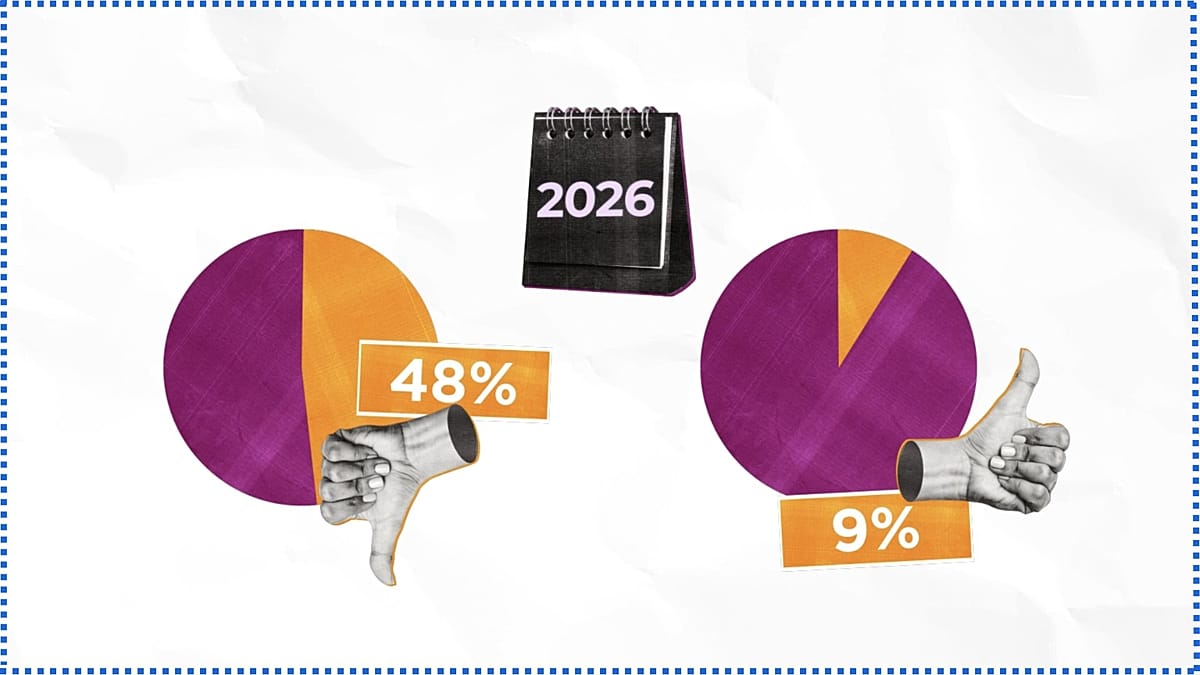
A landmark study by Ipsos, in partnership with the Policy Institute at King's College London and UK in a Changing Europe, reveals that 48% of Britons now believe Brexit is going worse than expected. Only 9% view it as a success—defined as believing Britain's exit from the EU is working out better than anticipated. This stark asymmetry underscores the enduring disappointment felt across the country.
Yet the numbers also expose a fascinating contradiction. A majority (53%) now agree that Britain should allow EU citizens to live and work in the UK in exchange for access to the single market—a significant increase from a decade ago. This suggests a pragmatic shift on economic grounds, as businesses in London, Manchester, and Edinburgh continue to struggle with labour shortages and trade barriers.
However, the moment the argument shifts from economics to sovereignty, the math changes completely. A majority (52%) still prioritises full control over immigration, even if it means a more limited relationship with the bloc. This tension between economic pragmatism and political principle remains the defining feature of Britain's post-Brexit identity.
Closer Alignment, But Not Rejoining
Britons openly desire closer alignment on specific issues. The Ipsos poll finds 47% backing a stronger trading relationship, while 60% demand a joint security partnership—a figure that has only grown more urgent given the war in Ukraine and broader geopolitical instability. These numbers align with broader trends across the continent, as EU support rises across Europe a decade after Brexit vote, Pew finds.
Yet the path back to full membership is all but blocked. Under Article 49 of the European Union treaty, any new member requires unanimous approval from all twenty-seven member states. A single "no" from any capital—be it Paris, Warsaw, or Ljubljana—locks the door permanently. This structural reality makes rejoining a distant prospect, even if public opinion shifts further.
The ultimate paradox remains: inside the bloc, Britons were bound by European rules but helped write them. Outside, they remain completely dependent on those same rules—from trade standards to data protection—with absolutely zero say in their creation. As one analyst put it, taking back control simply meant handing the EU the remote control.
The famous £350 million a week promised for the National Health Service never materialised. Instead, the Office for Budget Responsibility estimates that Brexit has reduced UK GDP by around 4% compared to remaining in the EU. The economic costs are now well-documented, as explored in A Decade After Brexit: Britain's Economic Reckoning and Political Turmoil.
Ten years on, the Brexit debate is far from settled. The data shows a public that wants the benefits of EU membership without the perceived costs to sovereignty—a contradiction that no government has yet resolved. As the UK and EU continue to grapple with the divorce's legacy, the question of what kind of relationship Britain wants with its neighbours remains as open as ever.