The European Commission's flagship proposal to establish a 'European preference' in public procurement is mired in controversy and facing further delays, as intense lobbying from both within the bloc and key international partners pressures Brussels to reconsider its scope. The initiative, formally known as the Industrial Accelerator Act (IAA), aims to bolster the continent's industrial base by officially favouring products made in Europe for public contracts and support schemes, a direct response to competitive pressures from China and the United States.
A Contentious Definition
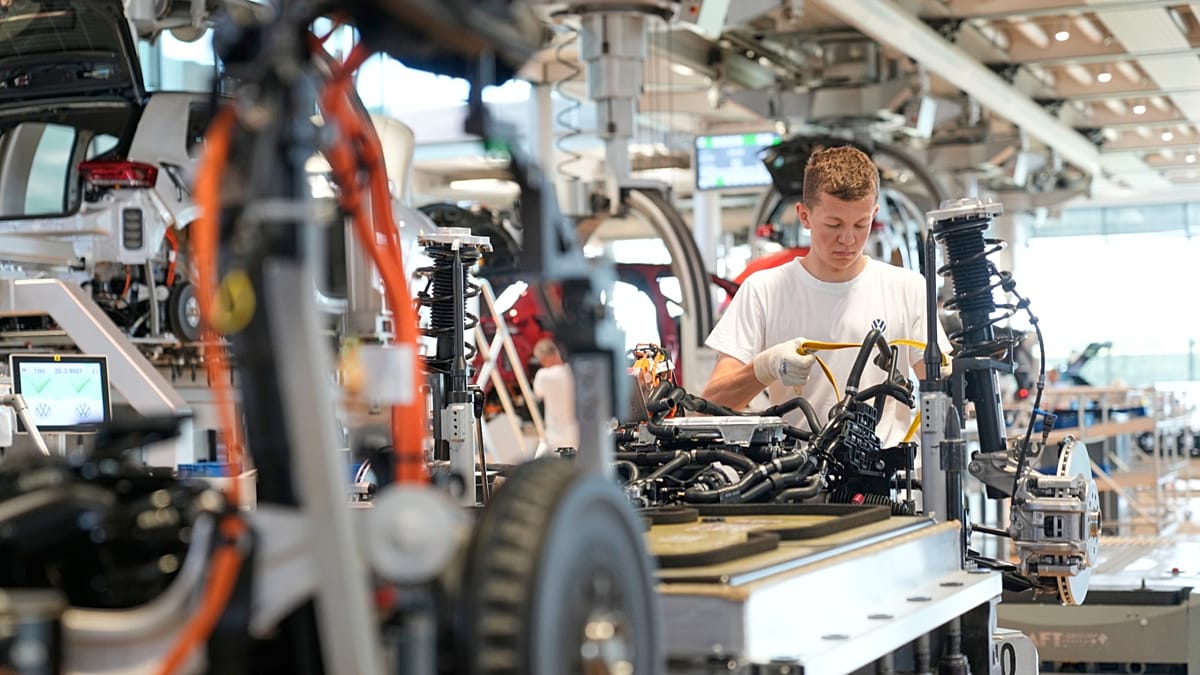
At the heart of the dispute is the legal definition of what constitutes a product 'made in Europe'. A leaked draft of the IAA, obtained by European Pulse, reveals specific origin thresholds for strategic sectors: 70% EU content for electric vehicles, 25% for aluminium, and 30% for plastics used in windows and doors. The proposal also targets chemicals, artificial intelligence, and the space sector. However, this strict framework has triggered significant pushback from several member states who fear it crosses into protectionism.
Nordic and Baltic nations, including Sweden and Estonia, have been particularly vocal. They argue that a rigid 'Made in Europe' regime could deter foreign investment and, crucially, limit EU companies' access to cutting-edge technologies developed outside the bloc. Their position advocates for a more open interpretation that would include 'like-minded' partners who commit to reciprocal procurement rules and contribute to the EU's broader goals of competitiveness and economic security—a stance reportedly backed by Germany.
This internal division is reflected within the Commission itself. The Directorate-General for Trade, a traditional guardian of open markets, is understood to be pushing back against the protectionist leanings of the proposal. The internal debate has contributed to the delays; the IAA was initially postponed in November 2025 and now risks missing its scheduled presentation date of 26 February.
International Partners Voice Concerns
Beyond the EU's borders, the proposal is being watched with apprehension. The United Kingdom has emerged as a prominent critic, with officials in London warning that the plan threatens deeply integrated supply chains. "It's not the moment to mess with what is already working," one British official told European Pulse. UK Chancellor Rachel Reeves recently underscored the economic interdependence, noting, "Almost half of our trade is with the European Union. We trade almost as much with the EU as the whole of the rest of the world combined."
The automotive sector exemplifies this entanglement. The EU remains the largest export market for British cars, while several major European manufacturers operate plants in the UK, which was the bloc's second-largest export destination after the US in 2024. British sources also contend that London's deep capital markets could be instrumental in financing the EU's industrial revival—but only if the bloc does not close its market.
"It [the European preference] entails quite a change of Europe's economic doctrine. It is therefore no surprise that it takes time and efforts to get to a common and smart version," said EU Industry Commissioner Stéphane Séjourné, who is overseeing the file.
Despite the opposition, momentum for some form of European preference is building. France, a long-time champion of strategic autonomy and industrial policy, insists the debate has moved on from whether such a policy is needed to how it will be implemented. Paris believes the concept has gained sufficient traction in Brussels to become a reality. The political context adds urgency, as seen in Péter Magyar's Hungarian victory prompting EU reform debate in Brussels, highlighting a continent-wide search for renewed economic direction.
The Commission is now in a delicate balancing act, aiming to finalise a proposal ahead of a crucial EU summit on competitiveness in March. The outcome will signal whether Europe is prioritising the creation of a fortified economic bloc or maintaining its commitment to open, rules-based trade. The lobbying frenzy in Brussels underscores that this is more than a technical adjustment; it is a fundamental shift in policy that will define the EU's economic relationships for years to come. This comes as the bloc grapples with other complex technological sovereignty issues, such as the backlash over Palantir's 'Technological Republic' manifesto and AI weapons.