The decisive parliamentary election victory of Péter Magyar in Hungary has been met with a palpable sense of relief in Brussels. After years of frequent clashes with Viktor Orbán's government over rule-of-law issues and its vetoes on EU support for Ukraine, the political shift in Budapest is seen as an opportunity to reset relations. The immediate hope among many European capitals is that the new stance from Budapest will unblock critical financial and military aid packages for Kyiv.
A Catalyst for Institutional Debate
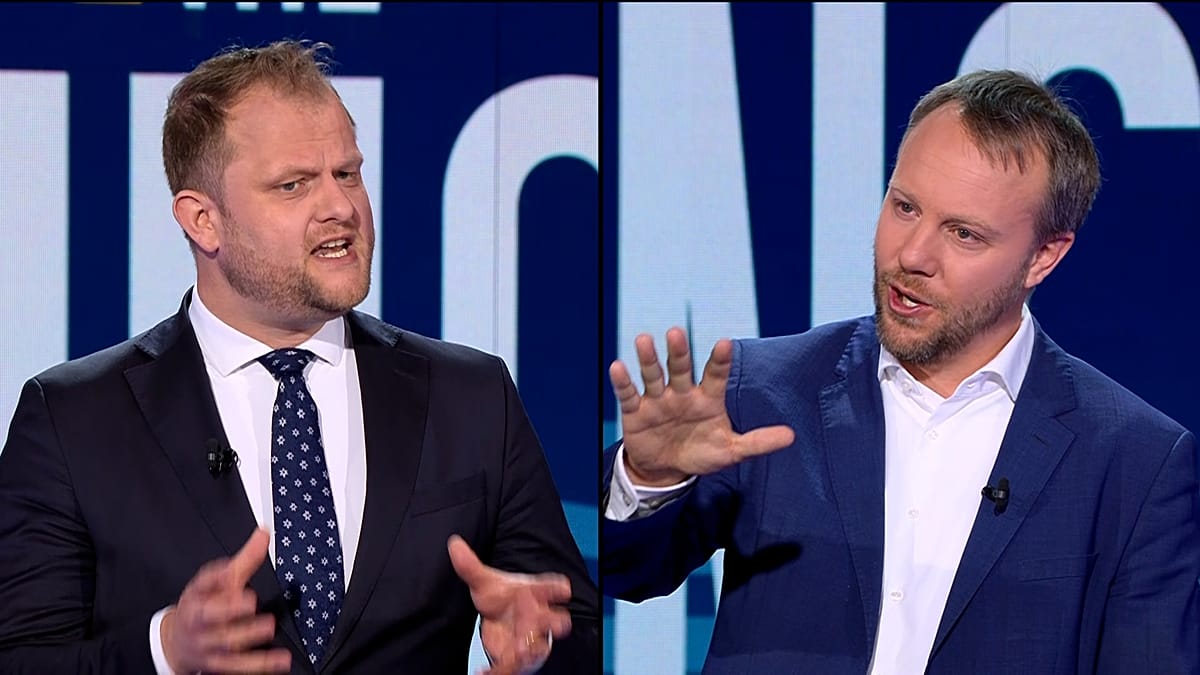
Beyond the bilateral implications, Magyar's win has acted as a catalyst for a broader, more fundamental debate within the European institutions. In a recent episode of the debate programme The Ring, recorded at the European Parliament, German Green MEP Daniel Freund and Dutch ECR group member Sander Smit clashed over the future direction of the Union. The central question: does the EU's current structure, particularly its reliance on unanimity for key foreign policy decisions, render it ineffective on the world stage?
Freund argued forcefully that the bloc's fragmented responses to international crises, from Ukraine to the Middle East, undermine its credibility. "Europe will not have a seat at the global table as long as it does not speak with one voice," he stated. He contended that the absence of unified positions cedes ground to national interests, preventing a coherent European strategy. This internal discord, he suggested, risks sidelining the EU as geopolitical tensions rise.
In contrast, Sander Smit defended the sovereignty of member states, particularly in foreign policy. He questioned the efficacy and legitimacy of what he termed a "forced unity," suggesting that imposing a single position could be as damaging as disarray. This philosophical divide highlights the enduring tension between national prerogatives and collective European power, a debate that has gained urgency as conflicts on the continent's borders persist.
The discussion reflects a growing anxiety that the EU's decision-making machinery is ill-suited for a world of rapid geopolitical shifts. The requirement for unanimity among the twenty-seven member states often leads to protracted negotiations or lowest-common-denominator outcomes, as seen in debates over sanctions or energy policy. Some officials warn that this inertia has tangible consequences, such as the prolonged economic impact of energy price volatility linked to overseas conflicts.
Broader Reforms on the Agenda
The debate extends beyond foreign policy into the very functioning of the Union. Proposals for reform often include moving to qualified majority voting on certain external affairs, strengthening the role of the High Representative, and enhancing the EU's capacity for independent strategic analysis. However, resistance to diluting national veto powers remains significant, not only from traditionally eurosceptic quarters but also from states protective of their sovereignty.
This institutional introspection occurs against a backdrop of other internal challenges testing EU cohesion. Recent events, such as the Greek parliament stripping immunity from MPs in a fraud investigation, underscore ongoing struggles with governance and the enforcement of common rules. Meanwhile, external crises continue to demand a response, from the humanitarian situation in Gaza to conflicts in regions like Darfur, which was recently highlighted in a powerful photographic essay.
While the change in Hungary removes a persistent internal obstacle, it does not automatically resolve the EU's structural dilemmas. The Union must still navigate divergent interests between its northern and southern, eastern and western members on issues ranging from migration to fiscal policy. The victory of Péter Magyar may ease one specific pressure point, but it simultaneously invites a more searching examination of whether the European project requires deeper transformation to assert itself effectively in the 21st century.
The episode of The Ring, anchored by Stefan Grobe, illustrates that the conversation in Brussels has quickly moved from celebrating a changed dynamic with Budapest to confronting the enduring questions of European unity and purpose. The answer to whether this electoral result will lead to substantive EU reform remains uncertain, but it has undoubtedly amplified the debate.



