The European Commission has put forward a proposal to restrict Ukrainian agricultural products from full access to the EU market and from receiving the same level of EU agricultural subsidies, even after Ukraine becomes a member state. The plan is part of a broader strategy to prepare the Union for enlargement and to assuage fears among several member states that their farming sectors could be undermined by Ukraine's vast and efficient agricultural industry.
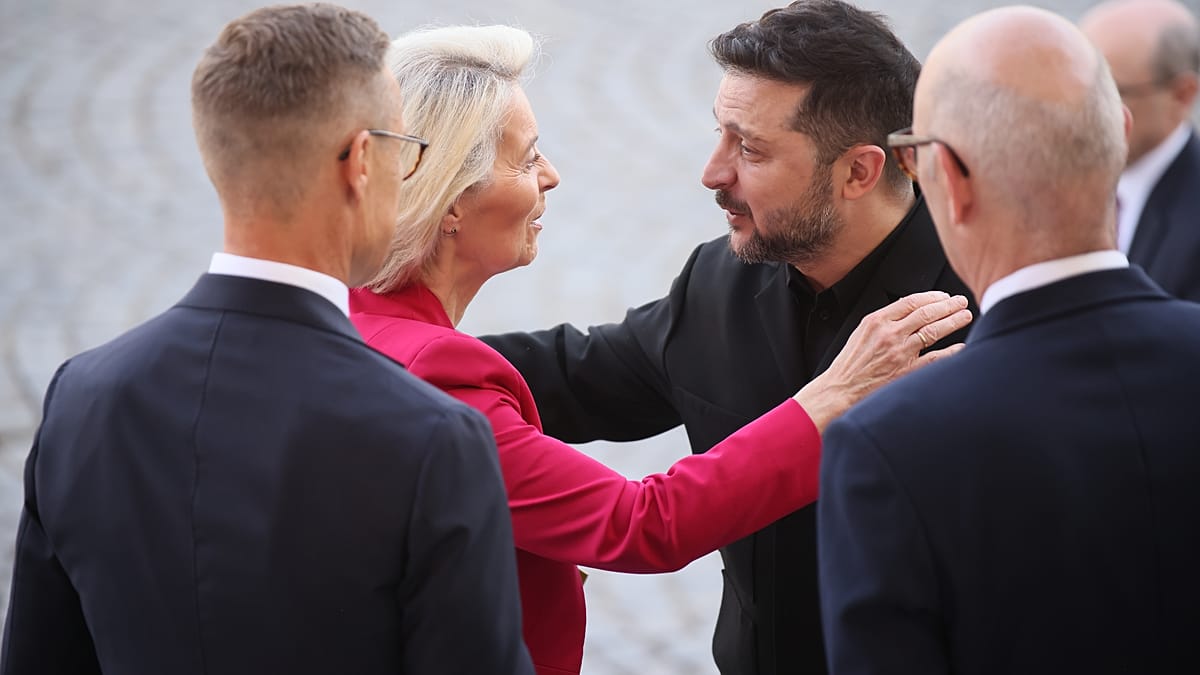
EU Enlargement Commissioner Marta Kos explained the rationale: "One area where we have to be very careful is agriculture. Why? Because the structure and the size of agriculture in Ukraine is really unique, therefore, we are proposing that we do special arrangements, which would limit the financial support, and market access for some of the Ukrainian agricultural products."
Protecting European farmers
The Commission's proposal would introduce targeted amendments to exclude Ukrainian wheat and grain from the EU's common agricultural policy framework. "What we propose now is about protecting European farmers," Kos said, adding that the measure would be included in the EU's common negotiating position for Ukraine's accession.
Brussels argues that the move would also help Ukraine regain access to its traditional export markets in Northern Africa and the Middle East, which have been disrupted by Russia's war of attrition. The Commission warns that if Ukrainian grain continues to be diverted to the European market, it could severely harm food security in those importing countries and even trigger risks of mass famine.
The proposal is also designed to address concerns from countries like Poland, where farmers fear that Ukrainian agricultural exports could seriously challenge their livelihoods. The issue has been a point of tension in EU-Ukraine relations, and the Commission hopes this measure will prevent it from derailing the accession process.
Ukraine applied for EU membership shortly after Russia's full-scale invasion in 2022, but its bid stalled for years due to opposition from Hungary's Viktor Orbán. With Orbán's departure from power earlier this year, the accession process has gained momentum, with two more negotiation clusters expected to open as early as next week.
Kos emphasized that the proposal does not signal a change in the EU's commitment to Ukrainian membership: "It doesn't mean that Ukraine will not become a member of the EU. We can afford that Ukraine will become a member of the EU, but we will set special conditions for agriculture."
Timeline and frontrunners
Brussels is aware that Ukraine, given its size and ongoing war effort, poses a unique challenge to the enlargement process. Nevertheless, Ukraine has been included in a group of four "frontrunners" that will receive a dedicated roadmap later this month. The roadmap will include an indicative timeline for joining the Union and a breakdown of the key steps required.
For the other three frontrunners—Montenegro, Albania, and Moldova—the timelines are more straightforward. Montenegro has declared its ambition to become the 28th member by 2028. Albania is expected to have its goal of concluding accession negotiations by the end of next year formally endorsed. Moldova is similarly targeting the first half of 2028.
For Ukraine, no clear timeline exists, as its accession path may inevitably become linked with the eventual peace process with Russia. The Commission's proposal on agriculture is seen as a way to keep the process on track while managing the concerns of existing member states.
The proposal comes amid broader discussions on EU reform and enlargement, as Brussels challenges capitals to prepare for a larger Union. The agricultural carve-out is a significant element of this effort, reflecting the delicate balance between welcoming a new member and protecting the interests of current ones.
As the EU navigates these complex negotiations, the agricultural sector remains a key sticking point. The Commission's proposal aims to provide a pragmatic solution that allows Ukraine to join the bloc without disrupting the European agricultural market. Whether member states will accept these special conditions remains to be seen, but the move signals a willingness to adapt the EU's policies to the realities of enlargement.