The European Commission is preparing to take a more interventionist role in managing energy emergencies across the bloc, according to draft plans obtained by Euronews. The proposals would grant Brussels the authority to declare a regional or EU-wide electricity alarm and require member states to cut consumption by specified amounts, a significant shift from the current system of voluntary coordination.
The energy security package, originally scheduled for earlier this year, was largely shaped by the lessons of the 2022-23 crisis, when Russia's full-scale invasion of Ukraine led to a dramatic loss of gas supplies to Europe. But fresh supply and price shocks linked to the US and Israeli conflict with Iran have forced a rethink, broadening the scope to include threats from extreme weather, cyberattacks, and physical sabotage of critical infrastructure—such as the Nord Stream pipeline explosions and recent attacks on Germany's power grid.
New powers for the Commission
Under the proposed rules, the Commission could declare an electricity alarm if it identifies a substantial risk of a power crisis. After consulting the Electricity Coordination Group—a high-level body bringing together EU governments, industry, and officials—Brussels could introduce mandatory national demand adjustments, with the Commission specifying the required level of cuts in the alarm declaration.
“Such measures may include mandatory national demand adjustments (...) The Commission shall specify in the alarm declaration the level of demand adjustments required,” the draft states.
The plan also introduces a clearer escalation system. Countries would first issue an early warning or national alarm, and only declare an emergency once market-based tools—such as subsidies, taxation, or cap-and-trade systems—have been exhausted and supply can no longer meet demand. Brussels wants governments to coordinate their interventions and avoid unilateral measures that could restrict cross-border electricity or gas flows, potentially worsening shortages in neighbouring states.
The Commission argues that unilateral action during a shortage can damage the internal market and create negative spillovers. That concern has become more pressing as the bloc grapples with potential fuel shortages, prompting French President Emmanuel Macron to ask Brussels to reassess the EU's joint gas-purchasing mechanism created after the war in Ukraine.
Gas and electricity intertwined
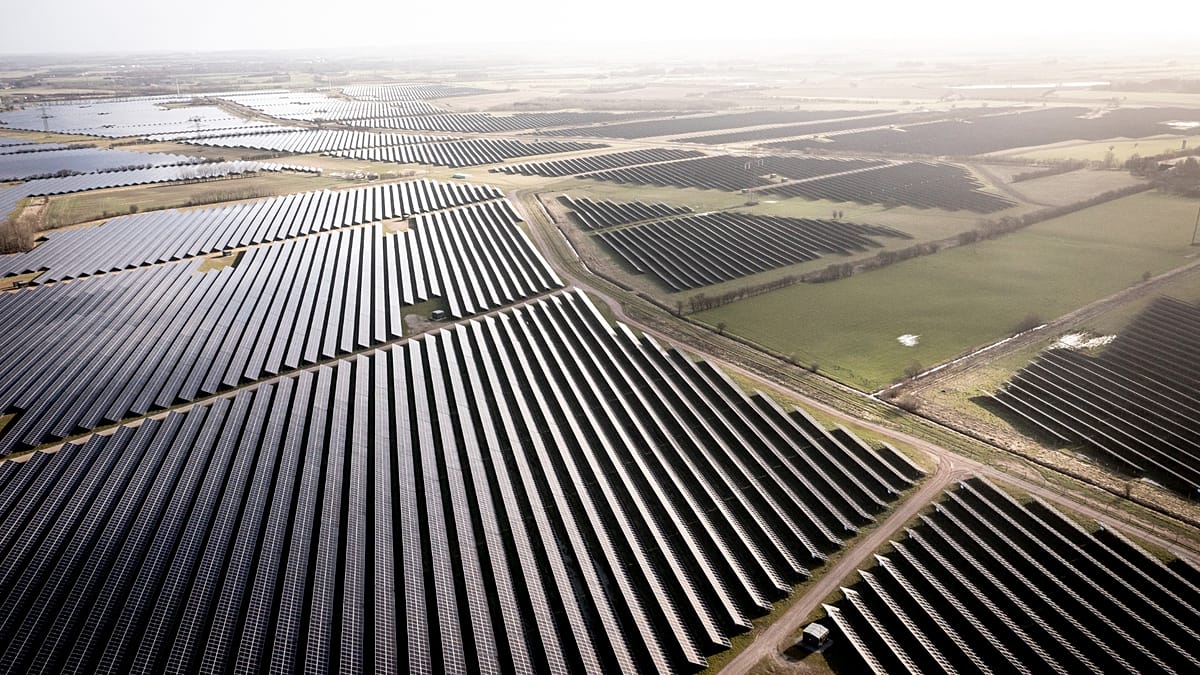
The draft treats gas and electricity shortages as two sides of the same problem. It asks EU countries to identify gas-fired power plants that are “strictly limited to the critical gas volumes needed to maintain electricity grid stability.” With the push to electrify the economy, the EU's power system is becoming more dependent on electricity, and renewable generation's weather dependence raises concerns about intermittent failures.
The Commission also calls for more detailed short-term and seasonal assessments of power adequacy, including risks from extreme weather, plant outages, transmission failures, demand peaks, and fluctuations in renewable output.
Stockpiling critical spare parts
Beyond energy supplies, Brussels is looking at stockpiling critical spare parts for infrastructure. With growing drone threats near energy installations, the Commission wants to treat rapid repair capability as part of energy security. The proposal would create an EU-wide list of essential spare parts needed to keep electricity and gas networks running and quickly fix them after a disruption. Energy operators would report their equipment, while EU authorities would set minimum stock levels based on supply risks, replacement lead times, and each component's importance for cross-border flows.
The draft also touches on the need to avoid national measures that could restrict cross-border flows, a point that has gained urgency as energy costs become a political flashpoint across the continent. The Commission's push for centralised authority may face resistance from member states wary of ceding control, but the package reflects a growing recognition that energy security is a collective challenge.
As the EU moves towards a more electrified and weather-dependent system, the ability to coordinate demand and supply across borders will be crucial. The proposed rules, if adopted, would mark a significant step towards a more integrated and resilient European energy union.