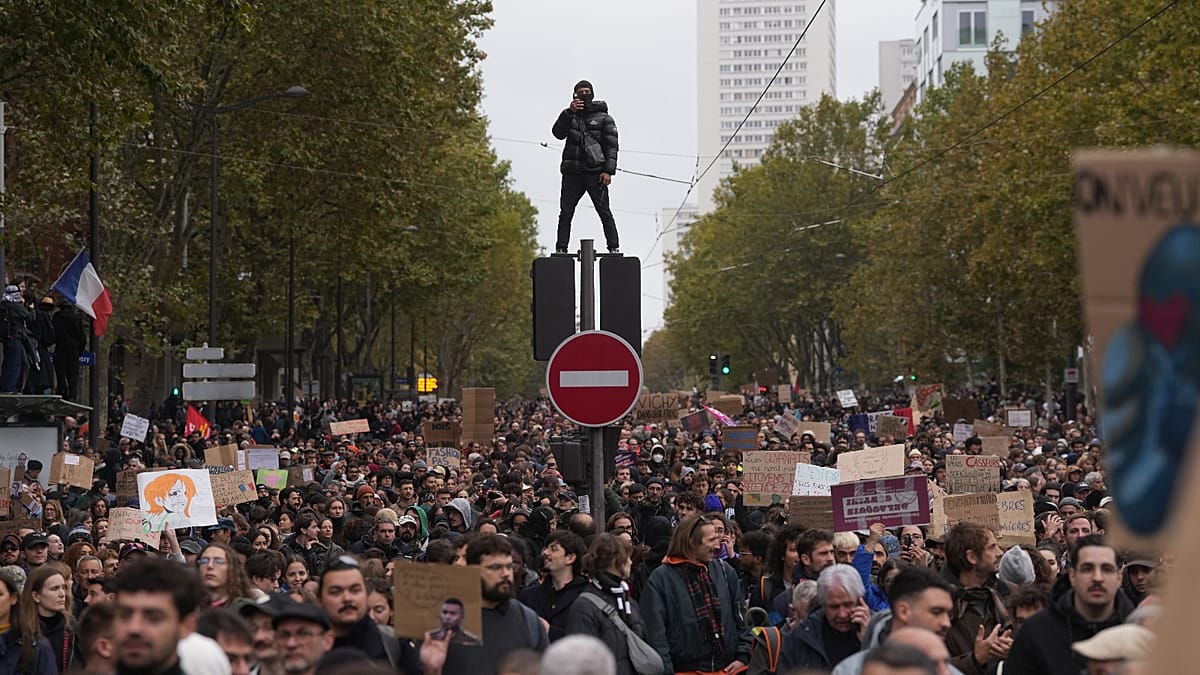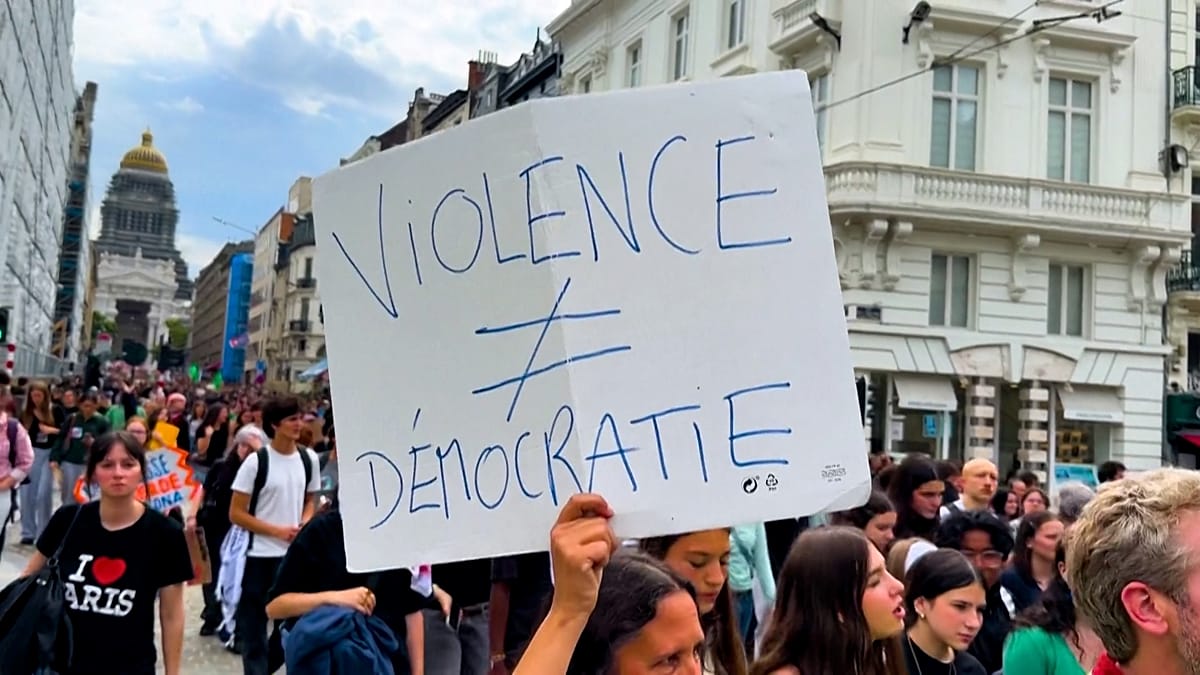
On 8 June, thousands of demonstrators filled the streets of Brussels to protest what they allege is excessive police violence during recent protests. The unrest stems from a broader dispute over planned spending cuts affecting French-speaking education in Belgium, a policy that has drawn sharp criticism from teachers, students, and civil society groups.
The demonstration, which took place in the capital's central districts, saw participants carrying signs and chanting slogans against what they view as a heavy-handed response by law enforcement to earlier protests. Organisers claimed that police used disproportionate force, including baton charges and arrests, against peaceful demonstrators. The authorities have not yet issued an official statement on the allegations.
Roots in Education Policy
The controversy is linked to proposed budget reductions for the Fédération Wallonie-Bruxelles, the entity responsible for French-language education in Belgium. Critics argue that these cuts would worsen classroom overcrowding, reduce teacher salaries, and undermine the quality of public schooling. The protests have drawn comparisons to other recent demonstrations across Europe, such as the Paris protests that erupted after the murder of an 11-year-old girl, highlighting a continent-wide tension between public demands and state responses.
Belgium's complex federal structure means that education policy is largely devolved to regional governments. The French-speaking community's government has defended the cuts as necessary for fiscal consolidation, but opponents argue they disproportionately affect vulnerable students and families. The protests have also reignited debates about police accountability in Belgium, with some activists calling for independent oversight of law enforcement.
The demonstration in Brussels is part of a broader pattern of civic unrest in Europe. In Belfast, anti-immigration protests recently led to burned homes and displaced families, while in Barcelona, thousands gathered for a prayer service with Pope Leo XIV, showing the diverse ways Europeans are mobilising around social and political issues.
Local media reported that the Brussels protest remained largely peaceful, though there were minor scuffles between demonstrators and police. No serious injuries were reported. The event underscores the deep divisions over public spending priorities in Belgium, a country that has often struggled to balance the interests of its Dutch-speaking and French-speaking communities.
As the debate continues, education unions have threatened further strikes and demonstrations if the cuts are not reversed. The Belgian federal government, led by Prime Minister Alexander De Croo, has yet to comment directly on the police conduct allegations, but the issue is likely to feature in upcoming parliamentary debates.
The protests also highlight a growing European trend of citizens taking to the streets over perceived injustices, from education funding to police brutality. In a continent where trust in institutions is often fragile, such demonstrations serve as a barometer of public sentiment and a challenge to policymakers.