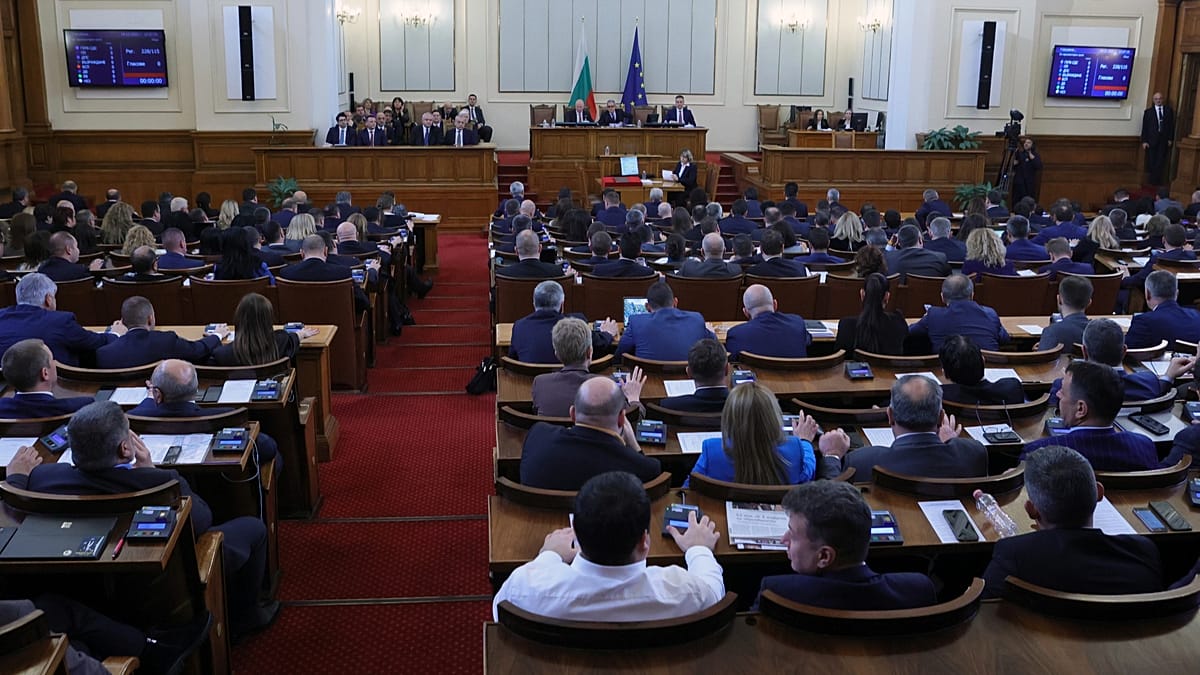
Bulgaria's parliament has approved a new law aimed at shielding journalists, activists, and whistleblowers from abusive legal actions designed to silence criticism. The measure, passed on Wednesday, goes beyond the minimum standards set by the European Union, reflecting growing concerns over press freedom in the country.
Strategic lawsuits against public participation, commonly known as SLAPPs, are typically filed by wealthy individuals or corporations to intimidate or financially drain their critics, rather than to win a legitimate legal case. These suits often involve defamation or reputational harm claims, and the threat of costly litigation can have a chilling effect on investigative reporting and public debate.
The new Bulgarian legislation implements a 2024 EU directive that requires member states to protect journalists from abusive cross-border lawsuits. However, Sofia has chosen to extend these protections to purely domestic cases as well, a move that legal experts say is crucial given the prevalence of such suits within the country.
Key provisions of the law
Among the most significant measures, the law allows courts to dismiss clearly unfounded claims at an early stage, preventing them from dragging on for years. It also imposes strict deadlines for rulings and tightens the conditions under which defendants can face interim measures, such as asset seizures. These provisions are designed to reduce the financial and psychological burden on those targeted by SLAPPs.
The law applies not only to future cases but also to ongoing proceedings that have not yet had their first hearing. This retroactive element is particularly important, as many journalists and activists are currently entangled in long-running legal battles.
Alexander Kashumov, a lawyer who has represented clients in several SLAPP cases, described the legislation as "a major step forward." He noted that dozens of such cases, each involving "tens or even hundreds of thousands of euros," are currently before Bulgarian courts, with a "paralysing effect on freedom of expression."
Bulgaria has faced sustained criticism over press freedom in recent years, with media watchdog reports highlighting political interference and the concentration of ownership in the hands of oligarchs. The new law is seen as a response to these concerns, though some observers caution that its effectiveness will depend on how rigorously it is implemented by the judiciary.
The move comes amid broader debates in Europe about the need to protect journalists from legal harassment. In neighbouring countries, similar measures have been introduced, but Bulgaria's decision to cover domestic cases sets a precedent that could influence other EU member states.
While the law has been welcomed by press freedom advocates, some legal experts have raised questions about potential misuse, such as defendants filing counter-SLAPPs to delay legitimate proceedings. However, the legislation includes safeguards to prevent such abuse, including provisions for sanctions against those who file frivolous claims.
As Bulgaria continues to grapple with challenges to media independence, this law represents a tangible effort to strengthen the legal framework protecting those who hold power to account. Whether it will be enough to reverse the trend of self-censorship among journalists remains to be seen, but it is a clear signal that the authorities are willing to take action.