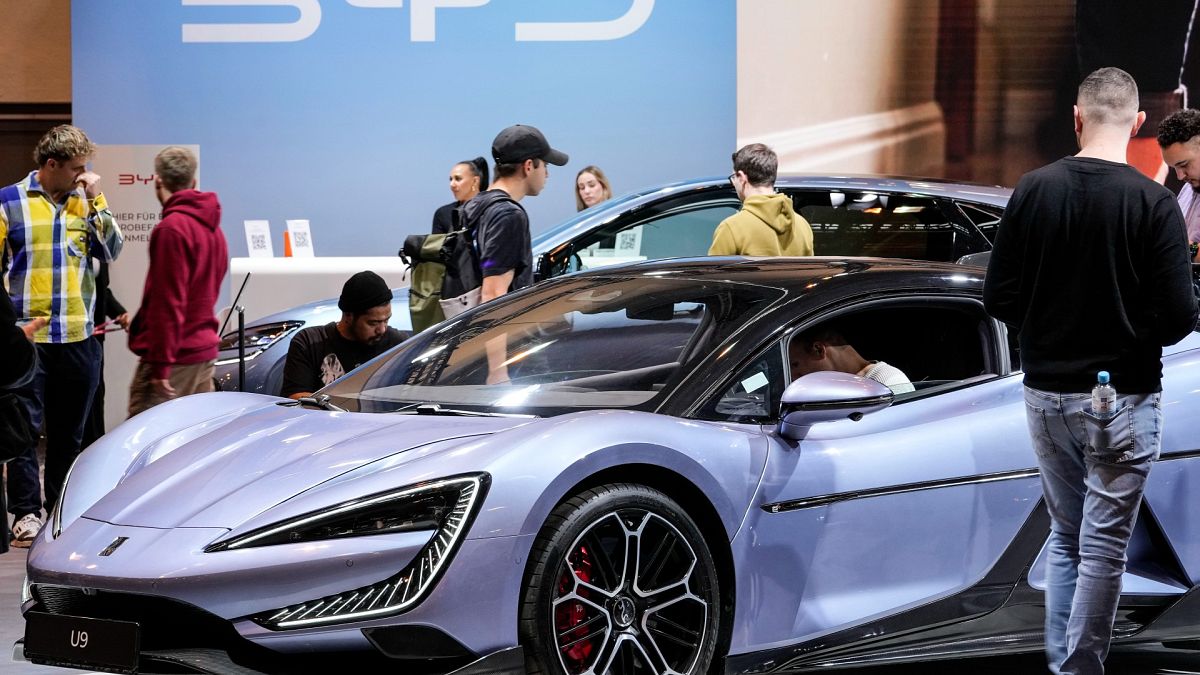
Chinese electric vehicle giant BYD has closed 2024 with a record 4.27 million new energy vehicles (NEVs) sold worldwide, a 41.26% increase over the previous year and well above its own target of 3.6 million units. The Shenzhen-based manufacturer, which produces both battery-electric and plug-in hybrid models, benefited from surging domestic demand, government trade-in incentives, and year-end discounts that attracted buyers despite intensifying competition at home.
The company's passenger NEV sales reached 4.25 million units, up 41.07% from 2023. Within that total, pure battery-electric vehicles (BEVs) accounted for 1.76 million units, a 12.08% rise, while plug-in hybrids (PHEVs) jumped 72.83% to 2.49 million units. The strong performance underscores how BYD has diversified its lineup to appeal to a broad range of consumers, from urban commuters to families seeking longer-range flexibility.
Closing the gap with Tesla
BYD's BEV sales remain slightly behind Tesla's 1.78 million units for 2024, but the gap is narrowing rapidly. Tesla has faced a series of headwinds over the past year, including declining sales in some markets, eroding profit margins, and a drop in investor confidence. The company also announced in April 2024 that it would cut 10% of its global workforce due to lagging demand, a move that further dented sentiment. Issues with the Cybertruck and reduced subsidies in several countries have added to the pressure.
For European observers, the rise of BYD and other Chinese EV makers carries significant implications. The EU has been grappling with how to respond to a wave of subsidised Chinese electric vehicles entering the bloc, which has led to the introduction of tariffs on small parcels and ongoing discussions about broader trade measures. While BYD has announced plans to build factories in Hungary and Turkey, the influx of cheaper Chinese models has put pressure on European automakers like Volkswagen, Stellantis, and Renault to accelerate their own electrification strategies.
Chinese government subsidies have been a key driver of the domestic EV boom, allowing manufacturers to offer heavily discounted prices both at home and abroad. Trade-in schemes for older petrol and diesel vehicles have also encouraged consumers to switch to greener alternatives. As the energy transition gathers pace, interest in electric mobility has grown steadily, a trend that is mirrored in Europe where several countries have seen record EV registrations.
BYD's success is not isolated. Other Chinese players, including SAIC, Geely, and newer entrants like Leapmotor, Li Auto, and Xiaomi, have all contributed to the market's expansion. However, the increased competition has squeezed some smaller brands, such as Nio and Xpeng, which have struggled to meet their own sales targets despite posting growth. The competitive landscape in China remains intense, with companies vying for market share through aggressive pricing and technological innovation.
For Europe, the rise of Chinese EVs presents both challenges and opportunities. On one hand, European consumers benefit from a wider range of affordable electric vehicles, which could accelerate the shift away from fossil fuels. On the other, the dominance of Chinese manufacturers raises concerns about the future of Europe's automotive industry and its ability to compete on a global scale. The EU has already responded with measures to protect its domestic producers, but the long-term impact remains uncertain.
As BYD continues to expand its global footprint, its record sales in 2024 serve as a reminder of the shifting dynamics in the automotive sector. With Tesla facing headwinds and European manufacturers under pressure, the race for electric vehicle supremacy is far from over. The coming years will likely see further consolidation and innovation, as companies across the world vie for a share of the rapidly growing market.