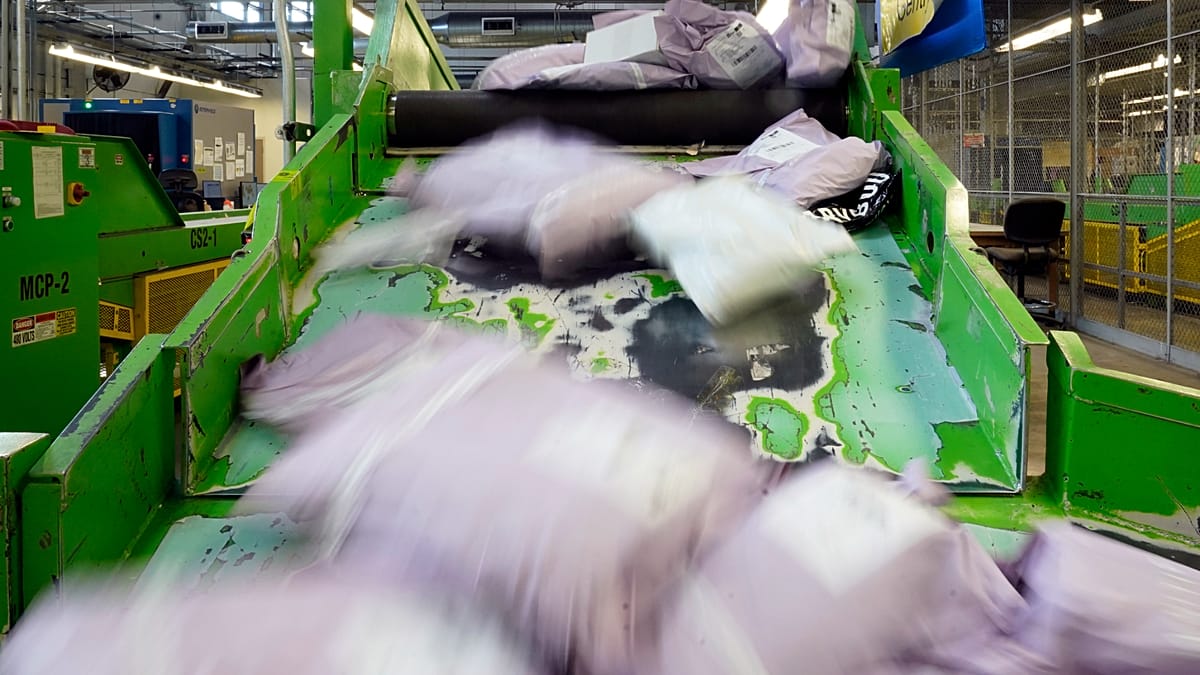
For years, lightweight packages from Chinese e-commerce giants like Shein, Temu, and AliExpress have been landing in mailboxes across Europe, offering everything from clothing to gadgets at rock-bottom prices. That era is now being reined in. Since 1 July, the European Union has imposed a flat €3 customs duty on parcels valued at €150 or less, a category that was previously exempt from import duties.
The impact has been immediate and dramatic. According to French customs data cited by the Ministry of the Economy on Thursday, the volume of small parcels entering the EU has dropped by 30 to 40% since the measure took effect. The French government views this as clear evidence that tighter regulation can alter the behaviour of major Chinese platforms.
Sales figures between June and July paint a stark picture: Temu saw volumes plunge by 50%, while AliExpress dropped 37%. Shein fared comparatively better, with a 15% decline, buoyed by the planned opening of a new warehouse in Poland at the end of 2025, which will help mitigate the tax burden.
Why Brussels decided to act
The EU's move is not just about revenue. In 2025, an estimated 5.9 billion low-value items entered the Union—more than 16 million parcels per day. This flood gave foreign platforms an unfair advantage over European retailers, who must comply with the same rules and pay duties when importing their goods. The European Commission also highlighted safety concerns: a 2025 EU survey found that over 60% of inspected low-value products failed to meet European standards or safety requirements. The new rules allow customs authorities to better identify and intercept risky products.
The measure is designed as a stopgap, not a permanent fix. It is intended to bridge the gap until a broader reform of the European customs system takes effect in 2028. Additional fees to fund parcel handling may be introduced as soon as November, adding another layer to the regulatory framework.
For European consumers, the era of ultra-cheap, duty-free online shopping from China is clearly ending. The question now is whether the reduction in parcel volumes will translate into a more level playing field for local businesses and safer products for shoppers. Early signs suggest it is already having an effect, but the full consequences—both economic and logistical—will unfold over the coming months.