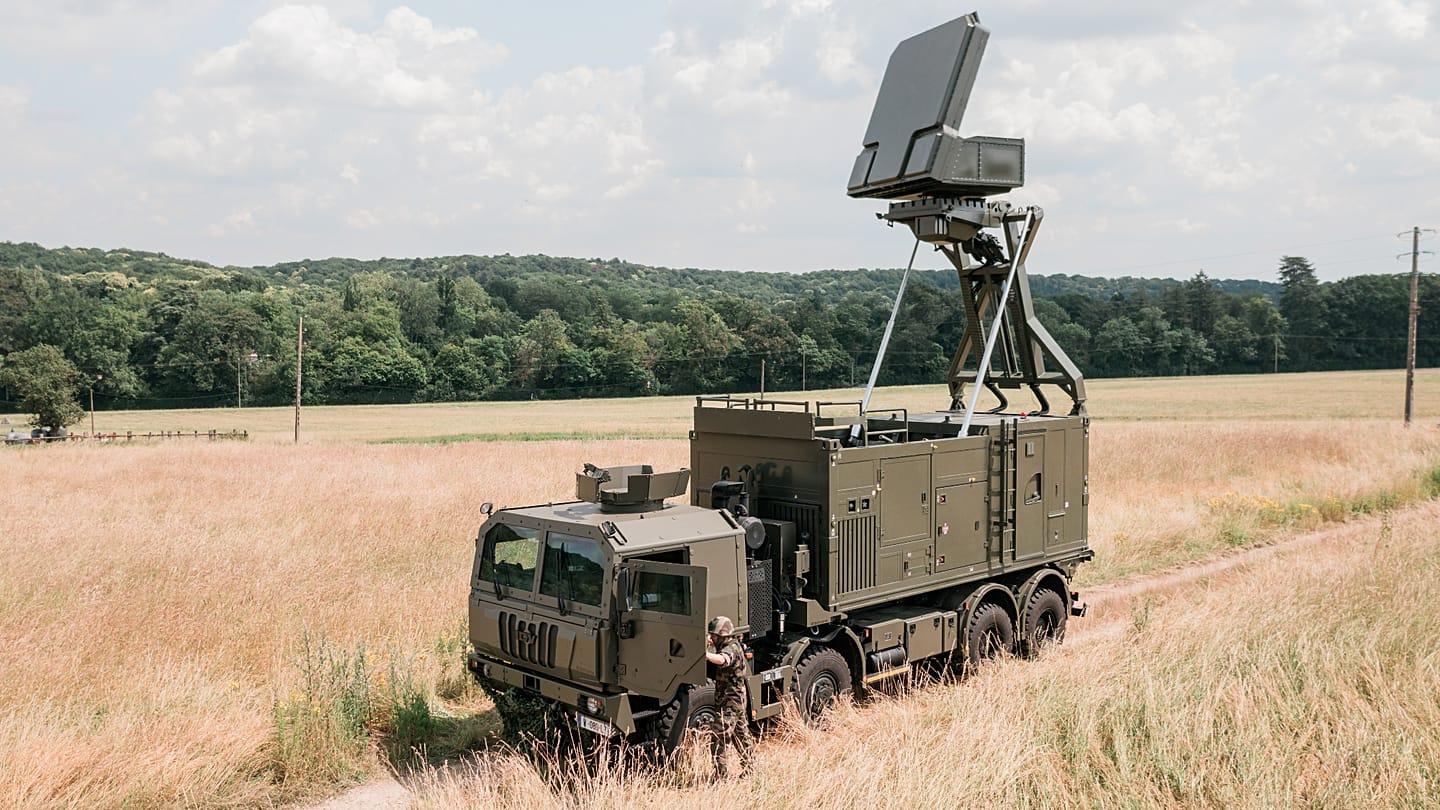
French defence electronics group Thales is preparing to establish a military maintenance facility in Japan, a move that would mark the first time a foreign company operates such a base in the country. The news, first reported by Nikkei, signals a notable shift in Japan's traditionally cautious approach to foreign involvement in its defence sector.
The facility is expected to handle maintenance, repair, and operational support for military equipment, potentially including radar systems and other electronics that Thales supplies to Japan's Self-Defence Forces. While details on the location and timeline remain scarce, the project is seen as a practical step to shorten supply chains and improve readiness, especially for advanced systems that require specialised expertise.
Deepening European-Japanese defence ties
This development comes as Europe and Japan accelerate their security collaboration, driven by shared concerns over regional stability and the need to diversify defence supply chains. The war in Ukraine has underscored the importance of reliable maintenance and logistics, and both sides are looking to strengthen their industrial bases.
For Thales, which is headquartered in Paris and operates across the European Union, the move is a strategic bet on the Asia-Pacific market. Japan's defence budget has grown steadily in recent years, and Tokyo has shown a willingness to work more closely with European partners, particularly in areas like cyber defence and maritime security.
The initiative also aligns with broader discussions about a European Security Council and the EU's push for strategic autonomy. By establishing a physical presence in Japan, Thales is effectively extending Europe's defence industrial footprint into a key ally's territory, a move that could pave the way for similar arrangements elsewhere.
Japan's decision to allow a foreign company to run a maintenance base is not without precedent in other sectors, but it is a first for defence. The country has historically preferred to keep such capabilities domestic, but the growing complexity of modern equipment and the need for rapid turnaround times are forcing a rethink.
Analysts note that this could open the door for other European firms, such as Germany's Rheinmetall or Italy's Leonardo, to follow suit. The rise in defence spending across Europe and the push for greater interoperability among allies make such cross-border arrangements more attractive.
Thales already has a presence in Japan, supplying radar and sonar systems, and the new base would deepen that relationship. The company has also been active in other Asian markets, including South Korea and Singapore, but Japan's unique regulatory environment makes this a particularly significant step.
The security environment in the Indo-Pacific has become more tense, with North Korea's recent ballistic missile launches and China's growing assertiveness. Japan has responded by boosting its own defence capabilities and seeking closer ties with like-minded nations, including those in Europe.
For the European Union, this development is a tangible example of its strategic partnership with Japan, which was elevated to a formal security and defence partnership in 2023. The bloc has been keen to engage more deeply in the region, and this facility could serve as a model for future cooperation.
While the project is still in its early stages, it represents a convergence of interests: Japan gains access to cutting-edge European technology and maintenance expertise, while Thales secures a foothold in one of the world's most dynamic defence markets. The success of this venture could well shape the future of defence industrial cooperation between Europe and Asia.



