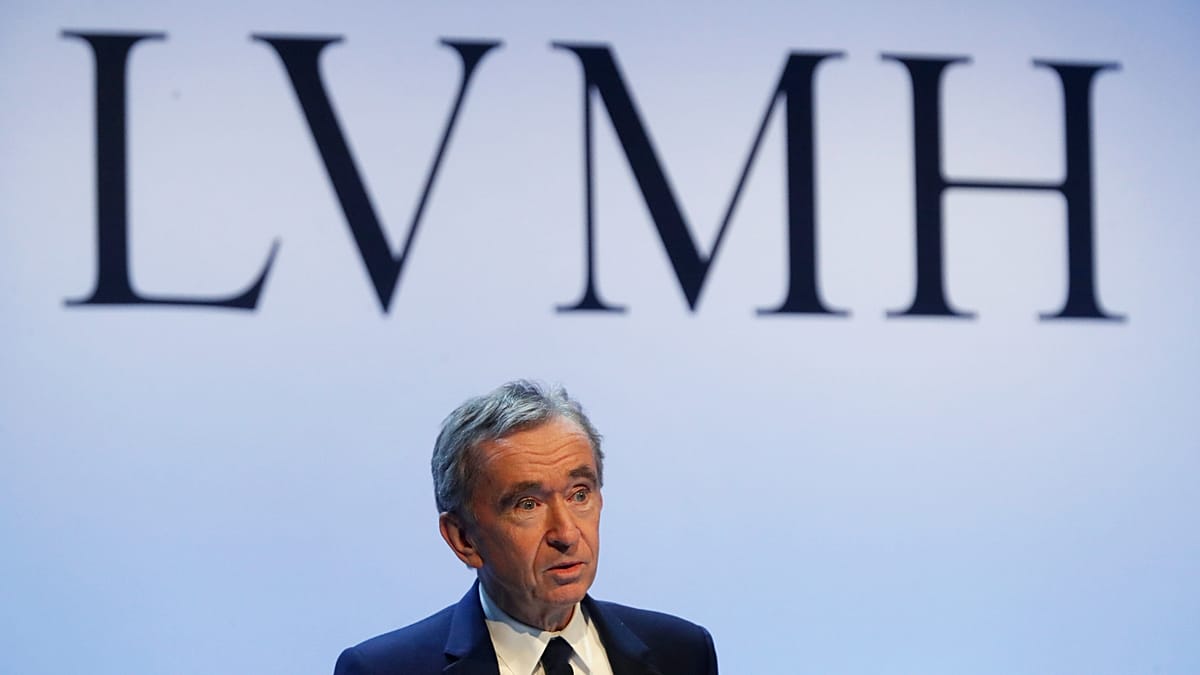
LVMH, the Paris-based luxury conglomerate behind Louis Vuitton, Dior, Celine, and Hennessy, reported third-quarter revenue of €18.5 billion, a modest 1.2% increase year-on-year. Organic growth, which strips out currency swings and portfolio changes, slowed to 1% from 3% in the previous quarter, falling short of analyst expectations.
The group, once Europe's most valuable listed company, has been navigating a cooling luxury market, particularly in China. In the first nine months of the year, total sales reached €57.1 billion, with organic growth of 2%. The company highlighted the resilience of its diversified portfolio amid an uncertain geopolitical and economic environment.
China drags on fashion and leather goods
LVMH's flagship fashion and leather goods division, which includes Louis Vuitton and Dior, saw organic sales drop 5% in the third quarter. That decline was steeper than the roughly 2% fall analysts had predicted, according to Deutsche Bank. The company cited a less favourable environment in China, the world's second-largest economy, as the main culprit.
Louis Vuitton also faced a public relations setback in China after suing local tea brand Molly Tea for allegedly copying its logo. Although LVMH won the case, the dispute sparked social media backlash and calls for a boycott, further complicating the brand's image in a key market.
Despite the downturn, other segments performed better. Selective retailing, which includes the Sephora beauty chain, posted an 8% organic sales increase. Watches and jewellery, as well as wines and spirits, each grew 6% organically.
Deutsche Bank analysts noted that the results could lead to further cuts in earnings forecasts for 2026 and 2027. “It is hard to see what could change investor sentiment in the short term,” they wrote, though they viewed the weakness as cyclical rather than structural. “Overall, recovery is taking longer due to the weaker Chinese demand, but the company does not see it as a structural issue. Brand initiatives are producing results and they expect these bottom-up measures to be more gradual.”
The luxury sector's reliance on Chinese consumers has been a recurring theme. As the EU and China seek to recalibrate trade relations, luxury brands are watching Beijing's economic signals closely. Meanwhile, the broader European economy faces its own headwinds, with bond markets signalling stagflation risks.
For LVMH, the path forward may hinge on its ability to innovate and adapt to shifting consumer preferences. The company's pre-owned watch market is one area of growth, but the core fashion business remains under pressure. As the group navigates these challenges, investors will be watching for signs of a sustained recovery in Chinese demand.