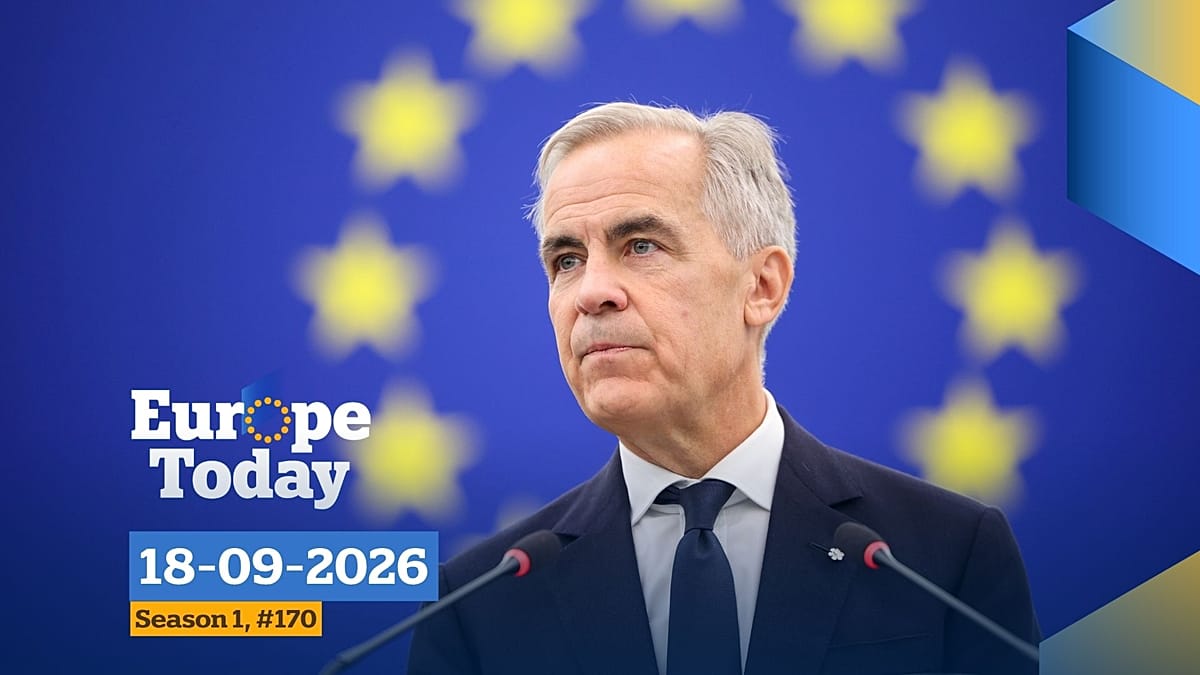
Canada has warmly received the European Union's offer of "associate member" status, a move that could reshape transatlantic relations. Speaking at the European Parliament in Strasbourg, Canadian Prime Minister Mark Carney expressed his enthusiasm for "much closer ties" with Europe, a sentiment that was met with applause from MEPs. But beyond the diplomatic fanfare, questions linger about what this status actually entails and how it will function in practice.
The offer, which has been in the works for months, is seen as a response to shifting global dynamics, particularly the pressure exerted by the Trump administration on traditional alliances. As transatlantic ties are being reshaped, both Brussels and Ottawa are looking to deepen their partnership. However, Carney has been quick to clarify that Canada is not seeking full EU membership, a stance that aligns with the views of many European leaders who see associate status as a flexible middle ground.
What does associate membership mean in practice?
The exact contours of Canada's associate status remain vague. It is not a formal category in the EU treaties, so its definition will likely be crafted through negotiation. Analysts suggest it could involve enhanced cooperation in areas like trade, research, and security, without the obligations of full membership. Angela Skujins, a political analyst, notes that the status is "more symbolic than substantive" at this stage, but it could pave the way for concrete agreements in the future.
The move has also drawn attention from across the Atlantic. Brussels has sought to reassure Washington that the initiative is not aimed at undermining the United States. Yet, the timing is notable, coming as the EU and Canada have already forged a groundbreaking partnership that sets a precedent for other nations.
EU finance ministers tackle energy costs in Dublin
Meanwhile, EU finance ministers and central bank governors have gathered in Dublin for two days of talks under Ireland's EU presidency. The primary agenda item is the spiraling cost of energy, which has become a major drag on European competitiveness. Shona Murray, reporting from the Irish capital, spoke with Irish Finance Minister Simon Harris, who emphasized the urgency of the situation. "We need to find common solutions to ensure that European businesses can compete globally," Harris said.
The discussions come two years after the Draghi report called for a revival of the EU economy. A new study by the World Economic Forum, presented by Andrew Caruana Galizia, head of Europe and Eurasia at the WEF, highlights how high energy prices are undermining the continent's industrial base. "The cost of energy is no longer just a business issue; it's a strategic one," Caruana Galizia noted.
EU Kids Act stirs debate
On the social front, the EU's newly unveiled Kids Act has generated fresh reactions. The proposed legislation aims to restrict social media access for children under 15 and prevent AI chatbots from acting as "human friends" to minors. Adnan Leal took to the streets to gauge public opinion, finding a mix of support and skepticism. Some parents welcomed the move, while others questioned its enforceability.
Cecilia Bonefeld-Dahl, director general of the tech lobby DIGITALEUROPE, offered a critical perspective. "We need to protect children, but we also need to ensure that regulation doesn't stifle innovation," she said. The debate reflects broader concerns about the role of technology in young people's lives, a topic that is likely to remain contentious as the legislation moves through the EU's legislative process.
As Europe navigates these challenges, the coming months will reveal whether the EU-Canada partnership can move beyond symbolism and deliver tangible benefits. For now, the continent is watching closely, with many hoping that this new chapter in transatlantic relations will bring stability in an uncertain world.