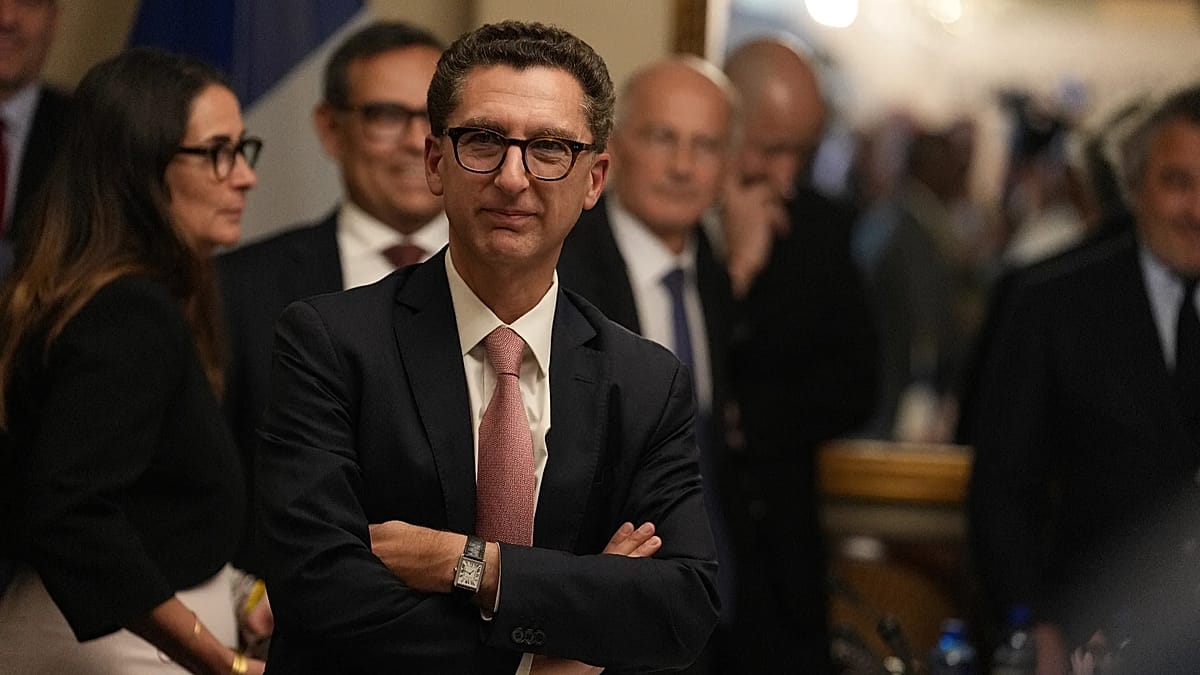
The French government's plan to raise VAT on pay-TV services has sparked a direct confrontation with Canal+, one of the country's most influential media groups. The company's chief executive, Maxime Saada, has publicly rejected the proposed increase from 10% to 20%, calling it "political" and "absurd." He argues that the measure would add around €200 million to Canal+'s annual costs, forcing the group to raise subscription prices, cut internal spending, and potentially shed jobs.
Speaking to RTL, Saada said, "We cannot absorb 200 million euros." He warned that the group would have to rethink its spending priorities if the tax hike goes ahead. The threat comes as the government prepares its 2027 budget, which aims to reduce the public deficit from 5.4% to 5% of GDP. The VAT increase is part of a broader effort to find new revenue, but it has opened a new front with a company that is deeply embedded in France's cultural landscape.
Cinema as a pressure tactic
Canal+ is a cornerstone of French cinema financing. In 2025 alone, the group invested €155.6 million in French films and supported 148 productions. That accounts for nearly half of all investments made by traditional private broadcasters in the country. Any reduction in Canal+'s spending would have an immediate and severe impact on the production sector, which relies heavily on the group's financial backing.
Saada has made it clear that the threat is real. Canal+ had committed to investing €980 million in French and European cinema between 2028 and 2032. But if the VAT increase is implemented, those commitments could be scaled back dramatically. Saada even suggested that the group might fund "perhaps three-quarters fewer films" than originally planned.
This stand-off is not happening in a vacuum. Canal+ has been under scrutiny for months, particularly after Saada announced in May that the group would no longer work with signatories of an op-ed criticising the influence of conservative billionaire Vincent Bolloré, who controls Canal+. The Human Rights League and the CGT-Spectacle union have since filed legal complaints, alleging discrimination based on opinion.
The government's budget plans have already drawn criticism from other quarters. France's budget watchdog has expressed scepticism about the 2027 growth forecast, and the country's debt has reached a record high. The VAT increase on pay TV is just one of several measures aimed at closing the fiscal gap, but it has become a flashpoint for the broader debate about the role of private funding in the arts.
For the French film industry, the stakes could not be higher. Canal+ is not just a broadcaster; it is a lifeline for many independent productions. If the group follows through on its threat, the ripple effects would be felt across the sector, from small production houses to major studios. The government, for its part, is betting that Canal+ will not risk alienating its audience or its creative partners. But Saada's rhetoric suggests he is prepared to play hardball.
The outcome of this stand-off will be closely watched not only in France but across Europe, where similar debates about the balance between public support and private investment in culture are ongoing. As the EU's next long-term budget is being negotiated, the question of how to sustain creative industries without overburdening taxpayers remains a central challenge.
For now, Canal+ is holding its ground, and the French government is standing by its fiscal targets. The coming months will reveal whether a compromise can be found, or whether the threat to cut film funding becomes a reality. Either way, the future of French cinema hangs in the balance.