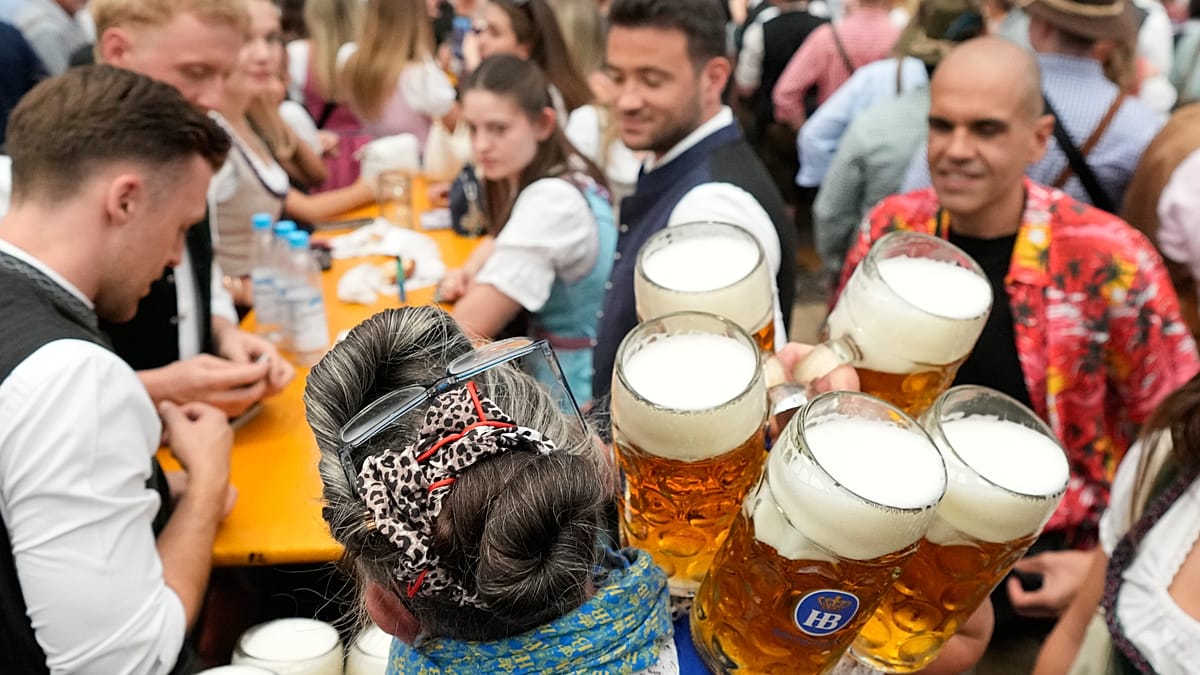
Munich's Oktoberfest has closed its 2024 edition with a record 7.4 million visitors over 16 days, cementing its status as the world's largest folk festival and a cornerstone of Bavarian cultural life. The final tally surpasses all previous editions, underscoring the enduring pull of the Theresienwiese—the sprawling fairground locals simply call the Wiesn.
The festival, which ran from late September to the first weekend of October, drew crowds from across Germany and the wider continent, as well as from North America, Asia, and beyond. For Munich, the event is both an economic engine and a ritual of communal identity, blending beer tents, traditional music, and carnival rides with a distinctly modern, globalised atmosphere.
A mayor's view of the Wiesn
Munich's mayor, Dominik Krause, highlighted the festival's unique ability to bring together locals and international visitors. In a statement, he said: "Generally speaking, the atmosphere was fantastic. You could really sense the presence of the locals at the Wiesn, especially during the week. At the same time, there were plenty of visitors and that is precisely what defines the Wiesn: people from all over the world celebrating together with the locals."
Krause's remarks reflect a broader trend across European cities, where traditional festivals are increasingly becoming global attractions. The challenge for organisers is to preserve authenticity while accommodating record numbers—a balancing act that Munich appears to have managed, at least in terms of attendance and atmosphere.
Beer consumption and economic impact
According to the Association of Munich Breweries, approximately 6.7 million one-litre mugs of beer were served during the festival, a 2.7% increase compared to the previous year. This uptick suggests that visitors were not only more numerous but also more inclined to partake in the festival's most iconic ritual. The association noted that the figures reflect a healthy demand for the city's traditional brews, which are served exclusively in designated tents.
The economic ripple effect extends well beyond the beer tents. Hotels, restaurants, public transport, and local retailers all benefit from the influx of visitors. Munich's tourism board estimates that the festival generates hundreds of millions of euros in direct spending, making it a vital component of the city's economy. Similar events across Europe, such as the Paris Pride celebrations, also draw large crowds, but few match Oktoberfest's scale or commercial impact.
Tradition in a changing Europe
Oktoberfest's record attendance comes at a time when many European cultural events are grappling with issues of overtourism, security, and sustainability. Munich has implemented measures to manage crowds, including expanded security checks and limits on tent capacity, but the festival's popularity shows no signs of waning. For many Europeans, the Wiesn remains a touchstone of regional pride—a place where Bavarian traditions are performed and shared with the world.
The festival's success also highlights the broader appeal of European cultural heritage. As cities like Madrid and Paris face their own challenges with mass events, Oktoberfest offers a model of how to balance tradition with modernity. The record numbers may prompt debates about the festival's environmental footprint, but for now, the mood in Munich is one of celebration.
As the last tents were dismantled and the grounds returned to their everyday use, organisers were already looking ahead to next year. The 2025 edition is expected to open in late September, and if this year's figures are any indication, demand will be as high as ever. For locals, the end of Oktoberfest marks the beginning of autumn; for visitors, it is a memory to carry home. The festival's ability to evolve while staying true to its roots is perhaps its greatest strength—and the reason why millions keep coming back.