In a year marked by geopolitical tensions and climate anxiety, Europe has quietly achieved several environmental milestones that offer genuine grounds for optimism. From breakthroughs in carbon capture to regulatory crackdowns on persistent pollutants, the continent continues to demonstrate that progress is possible even in challenging times.
Fungi That Eat Carbon: A Natural Solution Gains Traction
Scientists at the University of Helsinki have identified a strain of mycelium that can absorb carbon dioxide from the atmosphere at rates comparable to mature forests. The fungus, which grows on agricultural waste, could be deployed on degraded land across the Baltic region, offering a low-cost, scalable carbon removal method. Early field trials in Finland and Estonia show that the fungi sequester carbon in the soil for decades, potentially transforming marginal farmland into carbon sinks.
“This is not a silver bullet, but it is a powerful tool in our arsenal,” said Dr. Liisa Mäkelä, lead researcher on the project. “Unlike engineered solutions, this fungus works with nature, not against it.” The Finnish government has already allocated €12 million for large-scale testing, with plans to integrate the fungi into reforestation projects in Lapland.
EU Moves to Ban PFAS: A Landmark Regulation
The European Commission has proposed a sweeping ban on per- and polyfluoroalkyl substances (PFAS), the so-called “forever chemicals” linked to cancer, liver damage, and immune system harm. The regulation, expected to take effect in 2027, would prohibit the manufacture and import of PFAS in all consumer products, from non-stick pans to waterproof clothing. The move follows years of advocacy by environmental groups and a growing body of evidence showing that PFAS contaminate drinking water across Europe, from the Rhine to the Danube.
“This is the most ambitious chemical regulation in the world,” said MEP Jutta Paulus, who helped steer the proposal through the European Parliament. “It sends a clear signal that Europe prioritizes public health over industry convenience.” The ban is expected to cost manufacturers an estimated €2 billion in transition costs but could save billions in healthcare expenses over the next decade.
Solar Railways and Stork Villages: Local Wins Add Up
On the infrastructure front, Italy is moving forward with plans to install solar panels on railway tracks, following a successful pilot in Switzerland. The Italian state railway company, Ferrovie dello Stato, has announced a €50 million project to cover 200 kilometers of track in the Po Valley with photovoltaic panels, generating enough electricity to power 10,000 homes annually. The initiative builds on the work of Swiss start-up Sun-Ways, which demonstrated the feasibility of track-mounted solar in the village of Buttes.
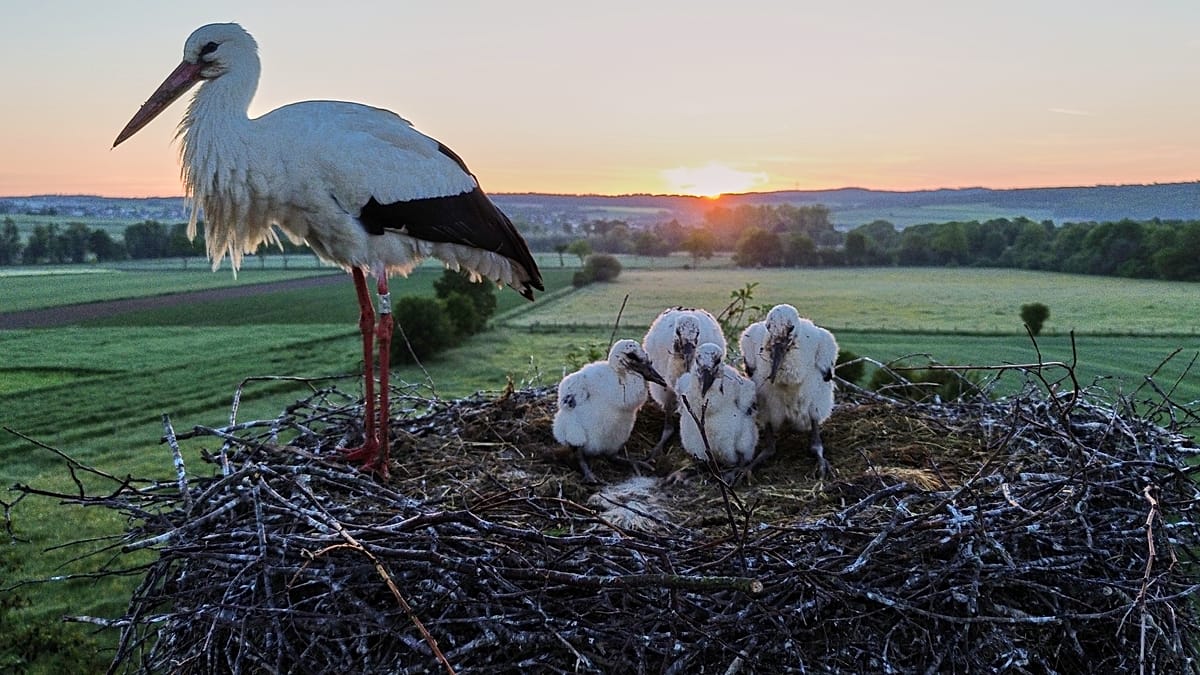
In Croatia, the village of Čigoč continues to celebrate its annual stork migration, with over 400 white storks nesting on rooftops this spring—more than double the human population. The village has become a model for ecotourism, attracting visitors from across Europe and generating income for local families. “The storks are our neighbors,” said resident Marija Horvat. “They remind us that we share this land with other species.”
Air Quality Improves, But Challenges Remain
The EU’s Copernicus Atmosphere Monitoring Service reported a steady decline in major air pollutants across the continent in 2026, with particulate matter (PM2.5) levels dropping by 12% compared to the previous year. However, the report warned that “persistent pollution episodes” in Eastern Europe, particularly in Poland and Bulgaria, threaten to undermine progress. The European Commission has threatened legal action against member states that fail to meet air quality standards by 2027.
Meanwhile, France has added 157,000 hectares of protected forest, creating seven new biological reserves and expanding two existing ones. The move brings France closer to its goal of placing 10% of its land under “strong protection” by 2030, a target that environmentalists say is critical for biodiversity conservation.
Heat Pumps and Solar Fences: Households Lead the Way
Heat pump sales surged across Europe in 2026, with the European Heat Pump Association reporting that the continent’s heat pumps now provide as much heat as 200 LNG tankers. Sweden leads the adoption, with over 60% of households using heat pumps, followed by Finland and Norway. The trend has been accelerated by the war in Iran, which disrupted Middle East gas supplies and pushed European governments to accelerate renewable energy investments.
Solar fences—vertical photovoltaic panels installed along property boundaries—have also gained popularity, particularly in Germany and the Netherlands. These installations allow households to generate electricity without sacrificing garden space, and they are increasingly being integrated into urban planning. In Berlin, a pilot project has installed solar fences along 5 kilometers of railway embankments, generating enough power to run the city’s tram network for two hours each day.
Looking Ahead: Challenges and Opportunities
Despite these successes, Europe faces significant hurdles. The EU’s share of electricity from renewables reached 45.5% in the first quarter of 2026, up from 42.7% a year earlier, but the pace of growth must accelerate to meet 2030 climate targets. Meanwhile, the Spanish government has warned that ongoing EU budget negotiations risk diluting the bloc’s key environmental fund, which finances green transitions in poorer member states.
Yet the cumulative effect of these small and large victories is undeniable. As Dr. Mäkelä put it: “Every ton of carbon we capture, every chemical we ban, every stork that returns—it all adds up. Hope is not a luxury; it is a strategy.”