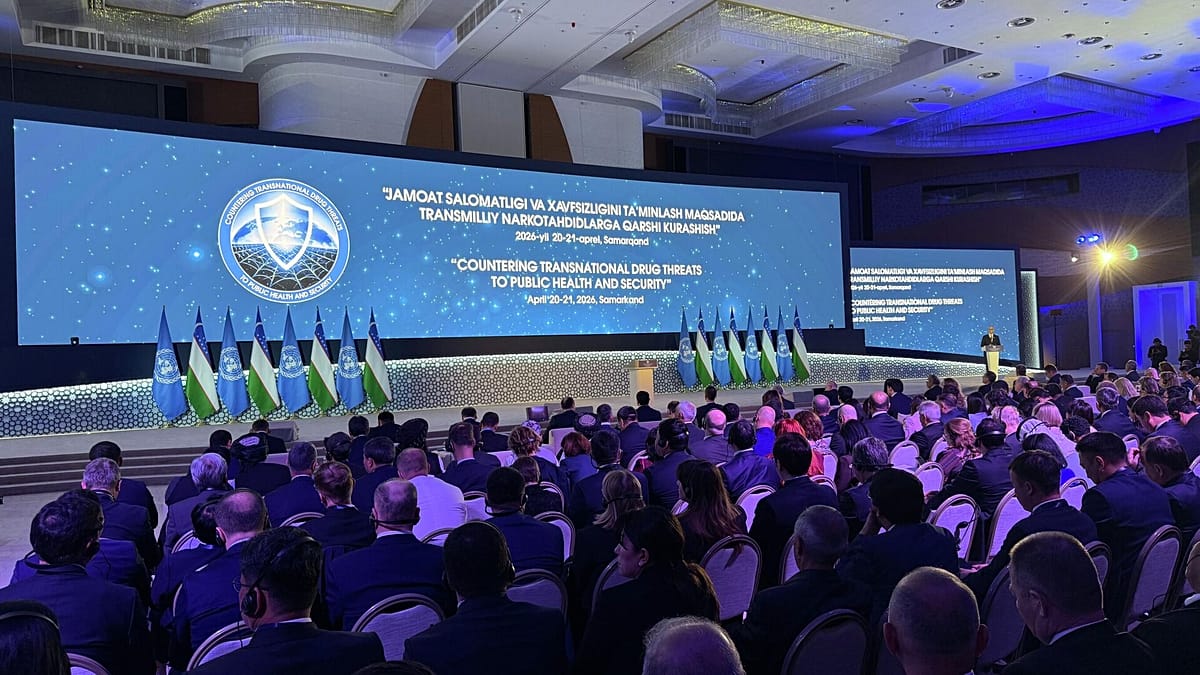
The global narcotics trade is undergoing a profound transformation, with synthetic drugs and digital trafficking methods creating a new security frontier in Central Asia. This shift presents direct challenges for European nations, as the region serves as a corridor connecting production zones to consumer markets. Recent discussions in Samarkand, Uzbekistan, have highlighted how criminal networks are exploiting technological advances and regional trade flows, forcing a recalibration of international counter-narcotics strategies.
A Region at a Crossroads
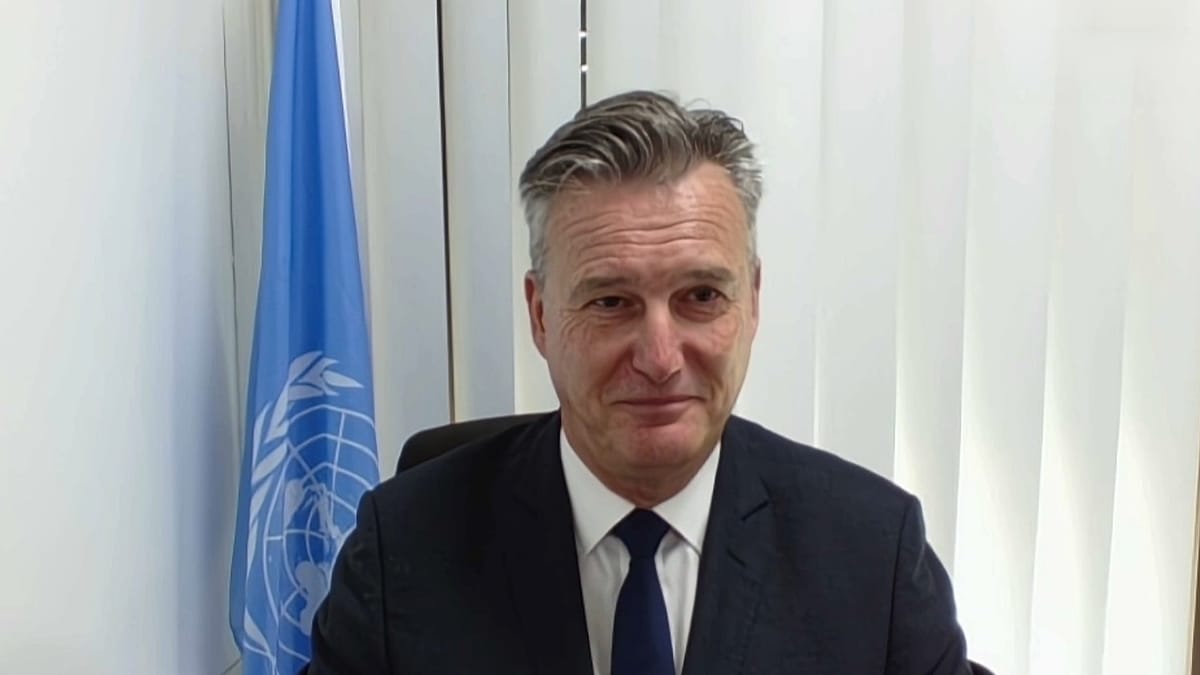
According to the United Nations Office on Drugs and Crime (UNODC), the drug landscape in Central Asia has changed dramatically in just five years. "Trafficking routes of drugs in Central Asia have changed over the last five years," stated Bo Mathiasen, Director of the Division for Operations at UNODC. He noted a sharp decline in Afghan opium, replaced by a proliferation of methamphetamine laboratories. The result is a market flooded with new synthetic substances, increasingly consumed by a younger demographic.
Uzbekistan, a pivotal state in the region, has framed this fight as a national priority. Over 20 legislative acts have been adopted, complemented by a 2024 national strategy focusing on prevention, coordination, and enforcement. Official figures cite over 15,000 drug-related crimes uncovered last year, with nearly 3.5 tonnes of narcotics seized. Authorities express particular concern that around one-third of these crimes involve individuals aged 15 to 30.
Saida Mirziyoyeva, head of Uzbekistan's Presidential Administration, warned that modern drug trafficking is inextricably linked to "encrypted communications, online platforms and illicit financial flows." This digital dimension makes the trade more fragmented and harder to trace than traditional smuggling routes.
The Digital Arsenal of Crime
Criminal networks are leveraging technology at every stage. Stefano Berterame, acting secretary of the International Narcotics Control Board (INCB), detailed how artificial intelligence is used to modify drug formulas, creating new psychoactive substances designed to bypass legal controls. Simultaneously, sales have migrated to online platforms, often concealed behind coded language in social media and dark web marketplaces.
The financial pipeline has also evolved. Cryptocurrencies are increasingly replacing traditional banking channels, rendering transactions nearly invisible to conventional oversight. Compounding the challenge is the rise of highly potent synthetics like fentanyl, where minuscule, easily mailed quantities can supply vast markets, evading standard detection methods. "The criminal organisations are always one step ahead," Berterame conceded, acknowledging the persistent gap between illicit innovation and law enforcement response.
This technological arms race has clear implications for Europe. As the EU pursues unified digital regulations, the cross-border nature of this crime underscores the need for international coordination that extends beyond the Union's borders.
Building a Coordinated Response
In response, Uzbekistan is championing a multi-pronged strategy that blends high-tech enforcement with regional cooperation. A flagship proposal is a unified digital platform, powered by artificial intelligence, to connect law enforcement databases across countries and enable real-time tracking of trafficking routes. This initiative seeks to improve detection without stifling the legitimate trade that is vital for regional economies, such as Kazakhstan's ambitions in food processing.
Financial disruption is another key pillar. Plans include stricter identification standards for cryptocurrency exchanges, improved data-sharing with offshore jurisdictions, and mechanisms to automatically block suspicious funds. Beyond enforcement, there is a growing focus on public health, with proposals for shared treatment standards for synthetic drug addiction and the establishment of a Central Asian Association of Narcologists, potentially based in Samarkand.
Community-level prevention remains central. Umida Abdullaeva, first deputy chairperson of Uzbekistan's Committee of Family and Women, emphasized awareness campaigns targeting families and youth. Local structures, including traditional mahallas and civil society groups, are being mobilized for outreach and early detection work.
The situation highlights a broader European security concern: the stability of strategic neighbouring regions. As Central Asian nations grapple with these transnational threats, their success or failure will directly impact the security of the EU's eastern flank. The forum in Samarkand, attended by UN, EU, and regional partners, signals a recognition that this new frontline requires a fused response—one that integrates digital policing, financial intelligence, and public health, mirroring debates within Europe on balancing security and rights, as seen in controversies like the international condemnation of harsh drug penalties.