One month after thousands of irregular migrants surged into the Spanish enclave of Ceuta, the crisis continues to test the European Union's ability to act as a united bloc. The debate reached the European Parliament this week, where two MEPs offered sharply contrasting visions of how the EU should respond when a member state faces sudden migratory pressure.
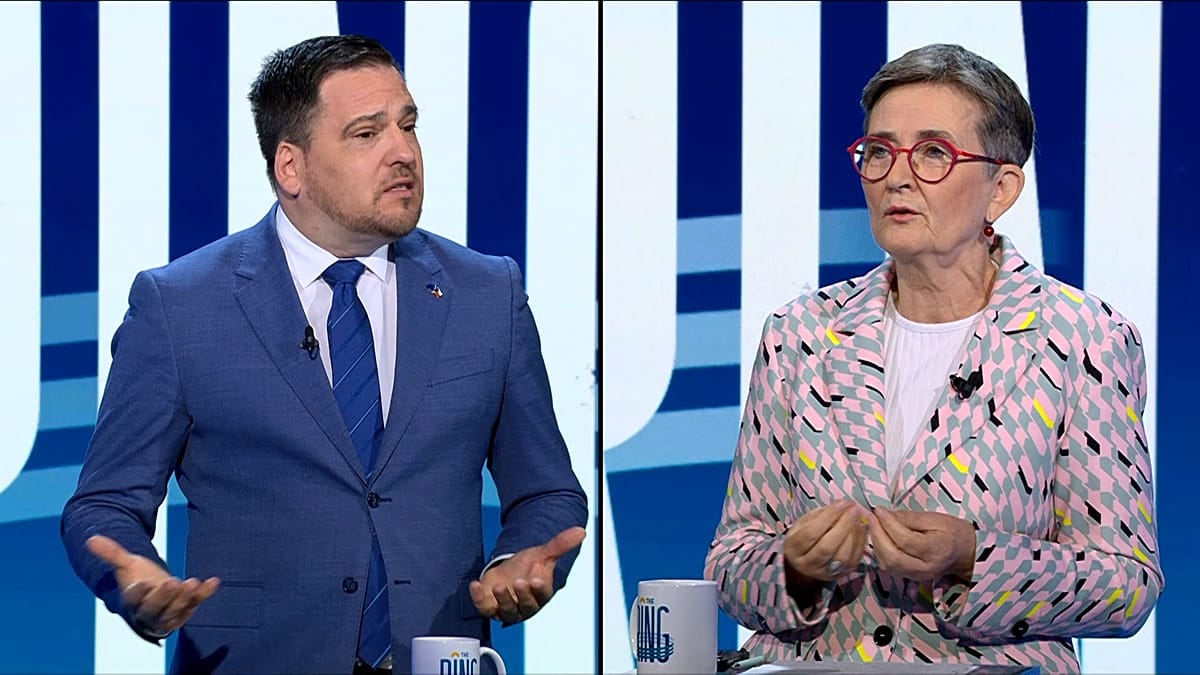
Czech centre-right MEP Tomáš Svetechovský and German Socialist MEP Birgit Sippel clashed over the Spanish government's response, the treatment of unaccompanied minors, and the role of Morocco. Their exchange, broadcast on The Ring, highlighted the deep ideological fault lines that persist across the Union on migration policy.
Spain's response under fire
Svetechovský did not mince words when assessing Madrid's handling of the crisis. "I think that the Spanish government did not react to the situation very well," he said, arguing that authorities should have acted sooner and requested more European support. He called for additional police and security assistance to prevent future crossings.
Sippel, by contrast, defended Spain's efforts and insisted that the priority must be European solidarity. "Whenever things like that are happening to whatever country, the first thing that we have to do is show solidarity," she said. Her remarks reflect a broader concern among many EU lawmakers that the bloc's response to such crises has been too fragmented and reactive.
The disagreement comes as Ceuta's president, Juan Jesús Vivas, travelled to Brussels to appeal for help. His visit underscored the sense of urgency in the enclave, which saw thousands of migrants enter within a matter of days in May. The EU has since approved €114.7 million in funding for the crisis response, but the political debate over how to prevent a repeat remains unresolved.
Unaccompanied minors and relocation quotas
The two MEPs also found themselves at odds over the fate of unaccompanied minors still in Ceuta. Sippel stressed the need to relocate these children to other EU member states under the bloc's migration pact, arguing that a fair distribution of responsibility is essential.
Svetechovský rejected mandatory relocation quotas outright. "We are absolutely strict against these quotas," he insisted, adding that the Czech Republic would not be welcoming anyone from Ceuta. His stance echoes the position of several central European governments that have long opposed binding mechanisms for sharing asylum seekers.
The dispute over quotas is not new, but the Ceuta crisis has given it renewed urgency. As migration returns to the EU agenda, the question of how to balance solidarity with national sovereignty remains as contentious as ever.
Morocco's role and EU relations
Beyond the internal EU debate, the role of Morocco has become a central point of contention. Some have accused Rabat of deliberately allowing the crossings to happen, using migration as a lever to pressure Spain over the Western Sahara dispute. During his trip to Brussels, Vivas said he believes the Ceuta incident should prompt the EU to reconsider its collaboration with Morocco.
His call has resonated with some lawmakers, who argue that the EU's partnership with Rabat must be conditional on cooperation on migration control. Others caution against alienating a key ally in the region. The Ceuta leader's appeal adds to a growing chorus of voices urging Brussels to take a firmer line.
The crisis has also raised broader questions about the EU's external border management. Some analysts have described the surge as a hybrid attack designed to destabilise the EU, a claim that remains contested but reflects the heightened security concerns surrounding migration.
As the European Parliament prepares to debate the issue further, the divisions on display in The Ring suggest that a common European approach to migration remains a distant goal. For Ceuta, the immediate needs are clear: more resources, more solidarity, and a more predictable relationship with its southern neighbour. Whether the EU can deliver on any of these fronts is still an open question.