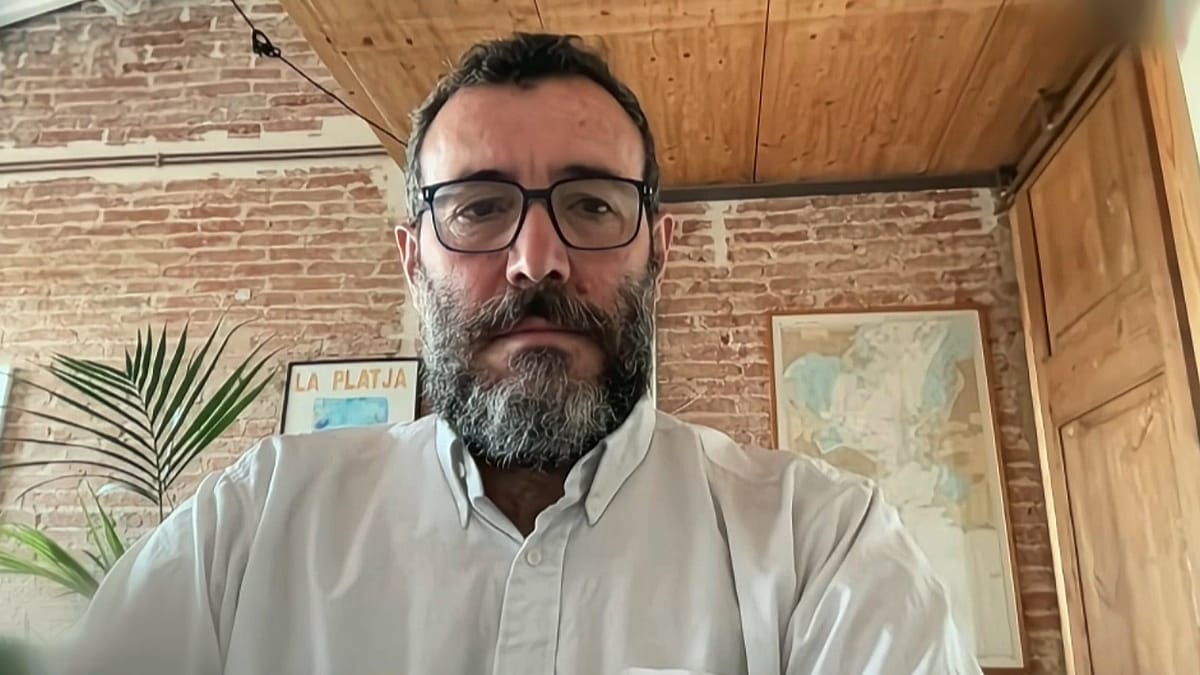
Europe could be in for its hottest summer yet, according to Carlo Buontempo, director of the Copernicus Climate Change Service (C3S). In a stark assessment, Buontempo told European Pulse that heatwaves have become "much more common" and are now impacting the entire continent, not just southern nations like Spain, Italy, or Greece.
"The pattern is clear," Buontempo said. "Climate change is making these events last longer and increasing their intensity. What used to be a rare occurrence in Paris or Berlin is now a regular feature of summer."
Heatwaves Spreading North
Recent data from C3S shows that countries in northern and central Europe—including Germany, Poland, and the United Kingdom—have experienced record-breaking temperatures in the past few years. The UK recorded its hottest May day ever earlier this year, as a heat dome drove Britons to beaches and pools. Buontempo noted that such extremes are no longer confined to the Mediterranean basin.
"The warming trend is accelerating," he explained. "We are seeing heatwaves that are not only more frequent but also more severe. This has direct consequences for public health, agriculture, and energy systems across the continent."
Buontempo's warning comes as Europe braces for a summer that could surpass the scorching temperatures of 2022 and 2023. The C3S, part of the European Union's Copernicus Earth observation programme, has been tracking global temperature anomalies and heatwave patterns for decades.
Economic and Health Impacts
The implications extend beyond discomfort. Heatwaves strain healthcare systems, increase mortality rates among vulnerable populations, and reduce labour productivity. In southern Europe, prolonged heat has already led to water shortages and crop failures. Buontempo stressed that adaptation measures—such as better urban planning, early warning systems, and cooling infrastructure—are urgently needed.
"We cannot afford to be complacent," he said. "Every fraction of a degree of warming increases the risk of extreme events. The evidence is overwhelming."
European Pulse has previously reported on related climate challenges, including how African cities at the Baku Forum highlighted the need for new financing models to address climate and housing crises, a lesson that resonates with European municipalities facing similar pressures.
Policy and Preparedness
The European Commission has been pushing member states to update their national adaptation strategies. However, Buontempo argued that current efforts are insufficient. "We need a coordinated European response," he said. "Heatwaves do not respect borders. A heatwave that starts in the Balkans can quickly move into Austria or Germany."
He also pointed to the role of the private sector. "Businesses must integrate climate risk into their planning. Insurers, energy companies, and agricultural firms are already feeling the effects."
As Europe faces the prospect of another extreme summer, Buontempo's message is clear: the time for action is now. "We have the tools to predict these events. What we lack is the political will to prepare for them."