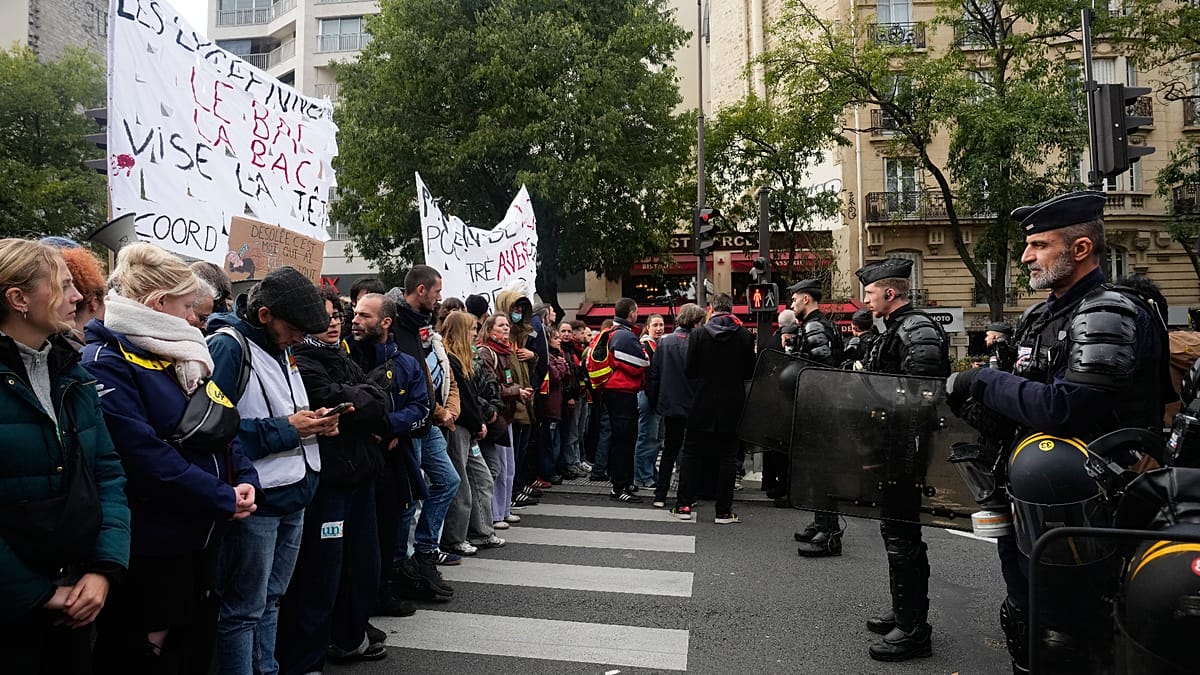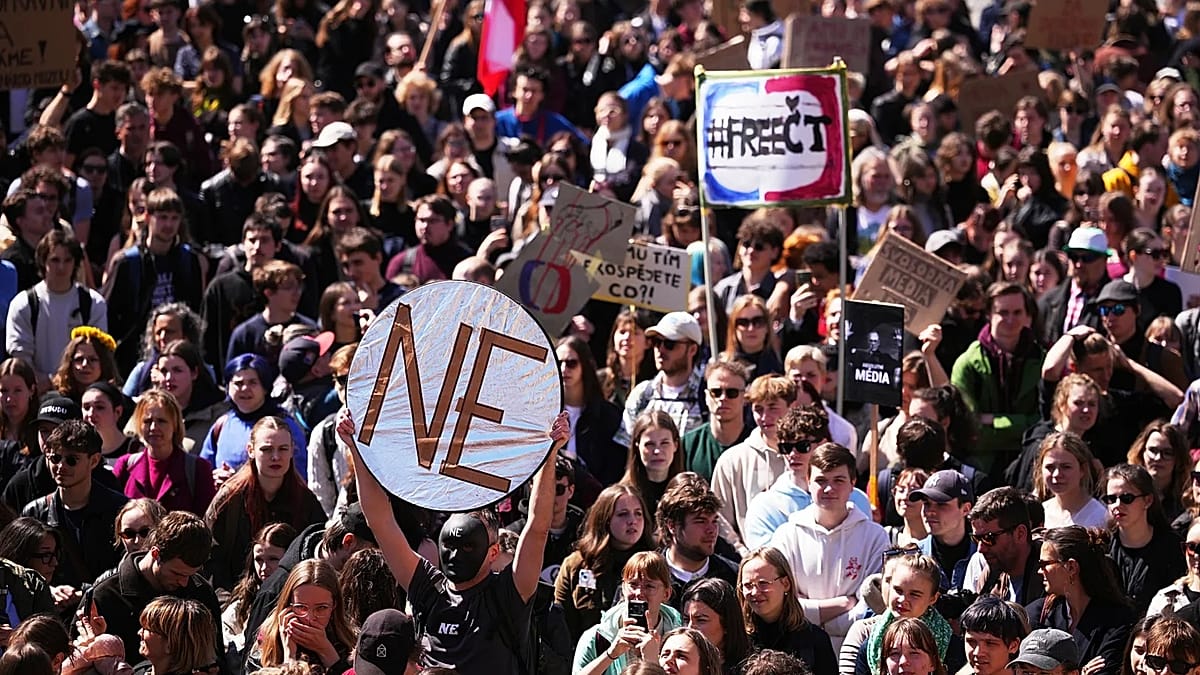
Thousands of high school and university students took to the streets of Prague on Wednesday to oppose a government proposal that would fundamentally alter how Czech public radio and television are financed. Chanting “We won’t let you take the media,” demonstrators filled the capital’s centre, with smaller solidarity protests held in other cities across the country.
The plan, drafted by the coalition government led by populist Prime Minister Andrej Babiš, would scrap the mandatory fees that individuals, households, and businesses currently pay to access public broadcasters. Instead, Czech Television and Czech Radio would rely entirely on allocations from the state budget—a shift that critics argue would leave them vulnerable to political pressure.
Independence Under Threat
Opponents of the proposal warn that tying funding directly to government discretion could erode editorial independence. The International Press Institute, based in Vienna, expressed concern that the real motivation is to “weaken the broadcasters’ financial and editorial independence and compromise their ability to fulfill their public service remit.”
Labour unions representing media staff have already signalled they are prepared to strike if the legislation advances. Zuzana Bancanska, deputy chairwoman of the Independent Unions at Czech Television, told staff outside the broadcaster’s headquarters that the changes would trigger mass layoffs. “Both media will be unable to perform their public service, which can lead to their demise,” she said, urging the public to defend media independence.
The draft still requires approval from the full cabinet and the Czech Parliament. If passed, the new system could take effect next year.
Echoes from Neighbours
Critics have drawn parallels to developments in neighbouring countries. In Slovakia, similar reforms have led to greater political control over public broadcasters. In Hungary, under outgoing Prime Minister Viktor Orbán—Babiš’s ally in the Patriots for Europe group in the European Parliament—the media landscape has been heavily consolidated by the state. The Czech government has rejected accusations of meddling, arguing that state-funded media is a common practice across Europe.
The protests come amid broader concerns about democratic backsliding in Central Europe. As EU officials have warned, tactics that undermine independent institutions risk eroding trust in democratic processes. The Czech case is being watched closely by press freedom advocates across the continent.
For now, the students’ message is clear: they see the fight for public media as a fight for democracy itself. Whether the government will heed their call remains uncertain.