A quiet revolution is unfolding in the world of cultural heritage, where ancient artifacts and masterpieces are meeting cutting-edge digital tools. From the grottoes of southwestern China to the grand halls of Amsterdam, a new paradigm of preservation is taking root, one defined by unprecedented precision, public transparency, and cross-continental technological exchange.
Precision Preservation in Chongqing
At the UNESCO World Heritage site of the Dazu Rock Carvings in Chongqing, researchers are confronting a classic preservation challenge: how to document and protect vast, intricate sculptures that are over a millennium old, often located in hard-to-reach grottoes. Their solution is a suite of advanced digital technologies. Teams are employing sub-millimetre 3D scanning to capture every contour and detail of the Buddhist, Taoist, and Confucian rock carvings, creating a definitive digital record far more precise than traditional photography or manual measurement.
This data forms the basis for AI-driven modelling that can analyse structural integrity, monitor minute changes over time, and predict potential areas of deterioration. Furthermore, the project has produced an 8K immersive dome experience, allowing the public to explore the sculptures in extraordinary detail without the physical wear and tear of mass tourism on the fragile site itself. This approach represents a significant shift from reactive conservation to proactive, data-informed safeguarding.
Transparency in Amsterdam
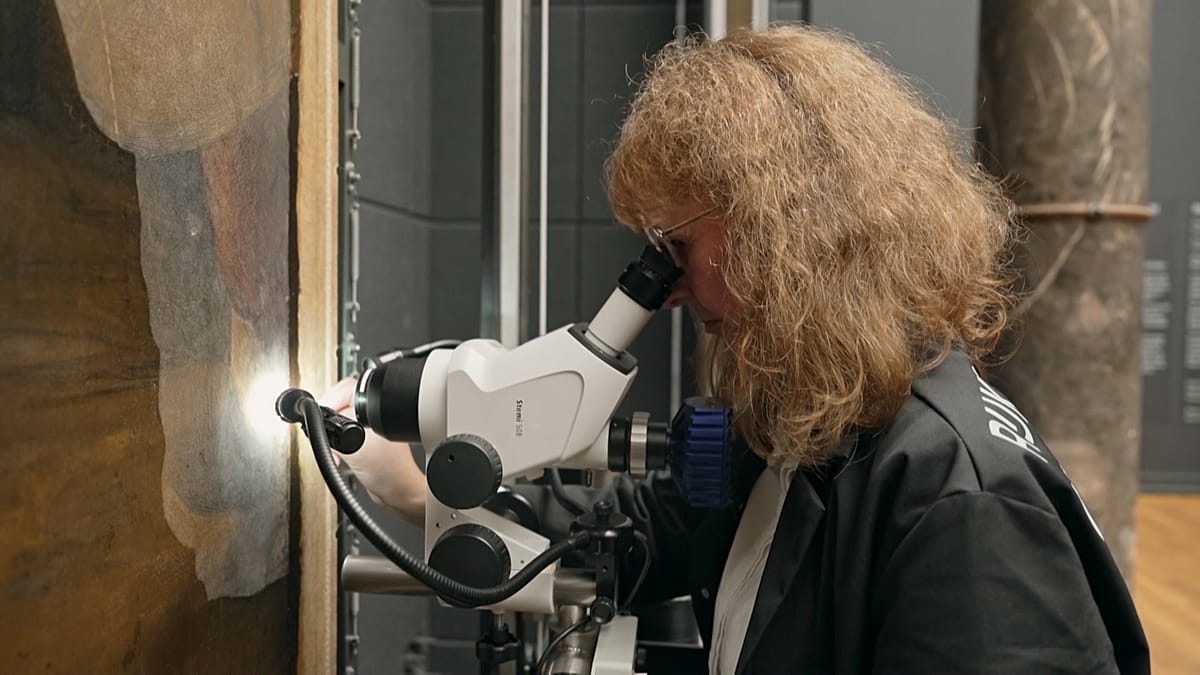
Across the continent, a different but complementary philosophy is on display at the Rijksmuseum in Amsterdam. The museum's multi-year operation to restore Rembrandt van Rijn's colossal masterpiece, The Night Watch, is being conducted literally in front of the public. Housed in a specially designed glass chamber, conservators work under the gaze of visitors, demystifying the painstaking process of preservation.
This commitment to openness is underpinned by sophisticated science. Each decision—from the removal of aged, discoloured varnish to the treatment of specific paint layers—is guided by high-resolution microscopic imaging, X-ray analysis, and advanced material science. The project, dubbed 'Operation Night Watch,' publishes its findings and imaging data online, inviting global scholarly input and public engagement. It sets a powerful precedent for institutional accountability and shared cultural stewardship, a theme also explored in our coverage of the Brussels Festival Showcases Architectural Heritage with Rare Building Access.
The parallel developments in China and the Netherlands highlight a broader, global trend towards 'open science' in heritage. This model prioritises the sharing of data, methodologies, and findings across borders and institutions. The detailed scan data from Dazu could inform conservation techniques for European stonework, just as the Rijksmuseum's public-facing model could inspire museums in Beijing or Berlin. This collaborative spirit mirrors the digital interconnectedness defining other sectors, from policy as seen in EU Pursues Unified Digital Age Limits as Member States Forge Ahead to creative fields like Alida Sun's RITES: Weaving Code and Craft to Reclaim Women's Computational Heritage.
For Europe, with its dense concentration of cultural heritage sites from the Acropolis to the Roman Colosseum, these technological advances are not merely academic. They offer practical solutions to pressing problems: managing tourist impact, addressing the effects of climate change on historic structures, and allocating often-limited conservation budgets with greater efficiency. The digital record becomes an eternal backup, a form of insurance against unforeseen disasters.
However, this new era also presents challenges. The vast datasets generated require significant storage and management, raising questions about long-term digital archiving standards. There are also intellectual property and access debates—who owns a hyper-detailed digital twin of a public monument? Furthermore, while technology can document and analyse, the final conservation decisions often remain delicate acts of human judgment, balancing historical authenticity with structural necessity.
Ultimately, the work in Chongqing and Amsterdam signals a move away from heritage preservation as a closed, expert-led activity. It is becoming an interdisciplinary endeavour that merges archaeology with data science, and a public-facing one that builds legitimacy through transparency. As these practices mature and spread, they promise not only to save physical objects but to deepen our collective understanding and connection to humanity's shared cultural legacy, whether it is safeguarded in a Dutch museum or a Chinese mountainside.



