Marine archaeologists are investigating a remarkably well-preserved 15th-century shipwreck discovered off Häringe, in Sweden's Stockholm archipelago. The vessel is believed to be the oldest medieval warship ever found in Swedish waters, and its condition could shed new light on how Scandinavian shipbuilders worked more than five centuries ago.
The wreck was built using the carvel technique, in which planks are laid edge to edge to create a smooth, flush hull. According to researchers, this is the first known example of a ship constructed this way in either Sweden or Denmark. The technique, which originated in the Mediterranean, was a significant departure from the clinker-built vessels that dominated northern European waters during the Middle Ages.
"This is a unique find," said one of the archaeologists involved in the project. "The carvel method allowed for stronger, more streamlined hulls, but it was slow to catch on in the Baltic region. Finding a ship like this changes our understanding of how and when that transition happened."
A window into medieval naval warfare
The wreck may also be linked to the turbulent conflicts between Sweden and Denmark around 1500, a period marked by shifting alliances and naval skirmishes. If confirmed, the ship could provide a tangible connection to those historical struggles, offering clues about the design and armament of warships used in the Baltic.
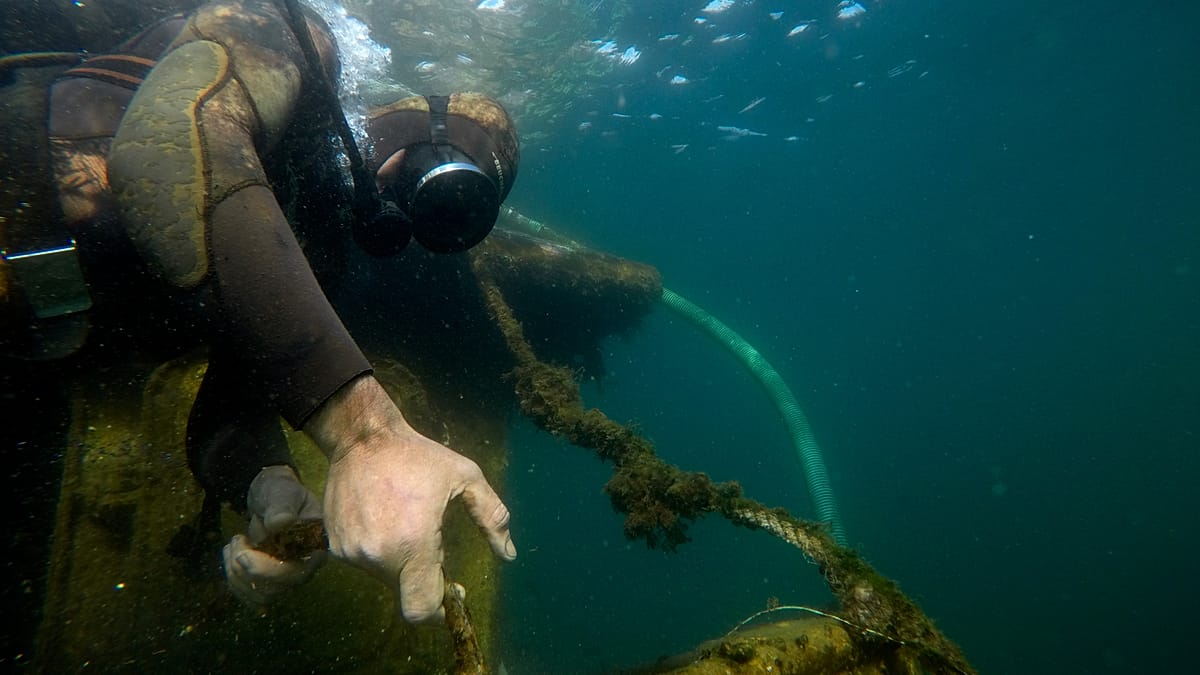
Archaeologists are now meticulously documenting the buried sections of the vessel, which remain protected by sediment. They are also searching for the ship's galley, hoping to recover artifacts that reveal what sailors ate and how they lived during long campaigns at sea.
"The galley is a treasure trove of information," explained a member of the dive team. "It can tell us about provisioning, trade routes, and even the social hierarchy on board. Who got the best cuts of meat, for example, says a lot about life in the medieval navy."
The ongoing investigation is expected to yield valuable data on medieval shipbuilding techniques, the logistics of naval warfare in the Baltic, and the daily routines of the people who served on these vessels. For historians, the wreck represents an unprecedented opportunity to study a period that is still poorly understood.
Sweden's waters have long been a graveyard for ships, but few are as old or as well preserved as this one. The cold, brackish conditions of the Baltic have helped protect the wooden hull from the wood-boring organisms that destroy wrecks in warmer seas.
The discovery also comes at a time when Sweden is increasingly focused on its maritime heritage. Earlier this year, the country took steps to restrict certain AI tools over data security concerns, but its commitment to preserving historical artifacts remains strong.
As the dive team continues its work, the wreck off Häringe promises to rewrite parts of Scandinavian naval history. For now, the site remains a protected archaeological zone, and the team is racing against time to uncover its secrets before the fragile remains deteriorate further.
The project is a collaboration between Swedish universities and the National Maritime Museums, with funding from the Swedish Research Council. Results are expected to be published in peer-reviewed journals over the coming years.