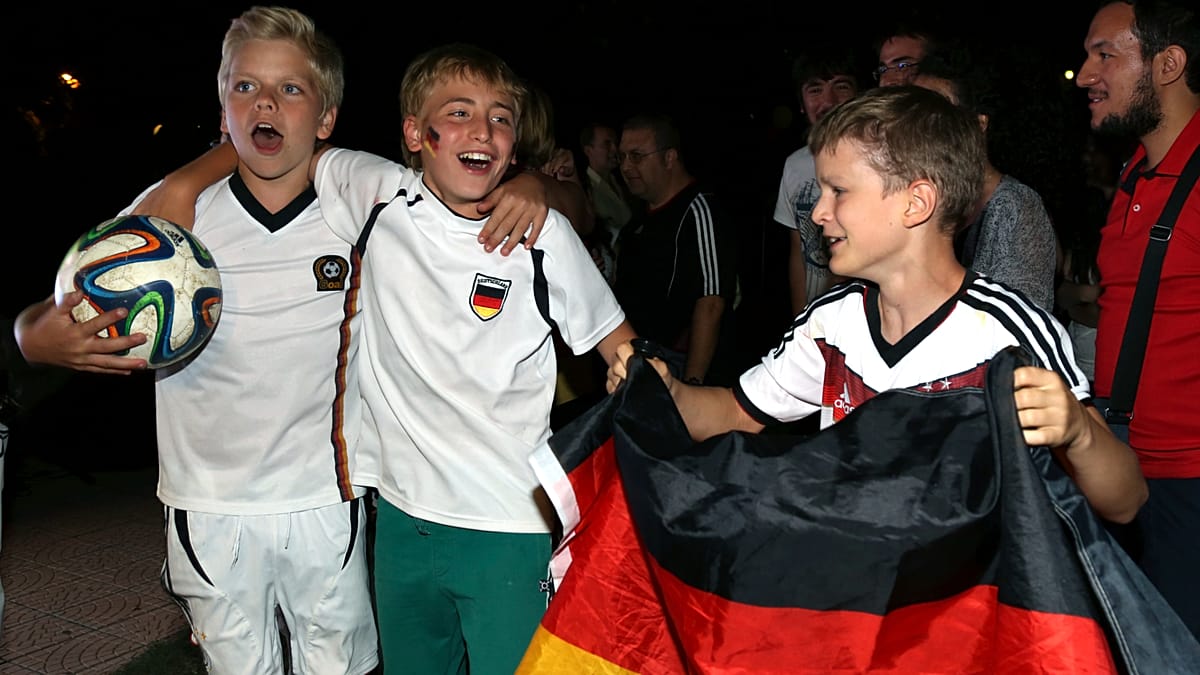
When Mario Götze scored in the 113th minute of the 2014 World Cup final in Rio de Janeiro, millions of Germans poured into the streets. The national euphoria was palpable, and soon a familiar question resurfaced: would this collective joy translate into a spike in births nine months later?
The notion of a "World Cup baby boom" is not new. It first gained traction after Germany hosted the 2006 tournament, often called the "summer fairy tale." In February 2007, the Frankfurter Allgemeine Zeitung reported on a "winter fairy tale" as antenatal classes filled up and maternity wards in Hamburg and Berlin saw increased activity. Berlin's Vivantes hospitals recorded 11% more births in March 2007 than the previous year, and Cologne reported 116 additional births in April 2007.
Isolated Numbers, Not a National Trend
Yet these local spikes do not constitute a nationwide phenomenon. In 2015, after Germany's 2014 victory, the German Press Agency surveyed registry offices and hospitals and found no evidence of a baby boom. At Berlin's Charité hospital, the number of births in early April 2015 was actually lower than usual. Health insurers like Barmer GEK and Techniker Krankenkasse told WirtschaftsWoche they had no data to support a surge in pregnancies.
Even the 2006 myth crumbled under scrutiny. In November 2007, the Federal Statistical Office reported that births in the first half of 2007 had fallen by 0.3% compared to the same period in 2006. Martin Conrad, the official responsible, stated there had "by no means" been a baby boom nine months after the 2006 World Cup.
The persistence of the story owes much to how numbers are handled. A single city's increase can look dramatic but says little about the broader trend. Cologne, for instance, recorded more births in April 2007 than in April 2006, but even more had been born in April 2005—with no World Cup connection. In Berlin, the March 2007 uptick was also linked to the introduction of a new parental allowance, which replaced part of lost income after childbirth and encouraged more families to have children.
What European Research Reveals
A comprehensive study by the IZA research institute examined monthly birth rates from 50 European countries over 56 years, comparing them with national team performances at 27 major football tournaments. The findings turned the popular thesis on its head: greater sporting success was associated with a decline in births. After an average tournament performance, birth numbers fell by 2.13% nine months later. For Germany, that would mean roughly 1,000 fewer births.
This pattern may reflect stress or distraction during major events, rather than the romantic boost often assumed. The study's authors suggest that the intense focus on football might reduce the time and energy couples devote to conception.
The myth of the World Cup baby boom persists partly because it is a feel-good story. But as the data from Berlin, Cologne, and across Europe show, the reality is more nuanced. For a deeper look at how football intersects with broader societal trends, see our piece on Spain's women's football pioneers and the financial realities of European football clubs.