Stella Parton, sister of the late country music icon Dolly Parton, has publicly condemned the proliferation of artificial intelligence-generated tributes and what she described as “endless garbage” circulating online since her sister’s death last month. In a heartfelt Instagram post, she acknowledged the genuine support her family has received but expressed frustration at the “incredible pressure and insensitivity from strangers.”
“Firstly let me say, thank you to the ones of you who have shown ‘genuine’ support and love during this time of our family bereavement,” Stella wrote. “We will be okay in time but each of us will grieve in our own personal way.” She added that every human experiences pain and loss, but because her family has lived in the public eye, they have “no choice but to be subjected to incredible pressure and insensitivity from strangers.”
Stella’s remarks come amid a wave of digital tributes, some of which have sparked controversy. Notably, former US President Donald Trump posted an AI-generated image on Truth Social showing himself arm-in-arm with Dolly Parton, a move widely condemned as “narcissistic” and “soulless.” The image drew sharp criticism, especially given that Parton’s literacy program, the Imagination Library, has faced funding cuts under the current administration. The controversy over Trump's AI tribute has added to the family’s distress.
Stella also took aim at “those who are in the business of exploiting the loss and tragedies of others on a daily basis,” predicting they will eventually “move on to the next stampede of endless misinformation.” Her comments highlight a growing concern about the role of AI in shaping public memory and the ethics of using deceased celebrities’ likenesses without consent.
A call for compassion and respect
In her post, Stella urged fans to emulate her sister’s “positive influence” and to “use my sister’s life as an example for tolerance and respect toward others.” She wrote, “It’s not about the most clever comments, fake AI garbage, or snarky tweets.” Instead, she encouraged reflection: “At the end of the day or the end of your life, how will you feel about yourself? It’s not about what other individuals you will never meet think of you.”
Dolly Parton died at the age of 80 after a brief battle with cancer, leaving behind a legacy that transcended music. Her contributions to country music, philanthropy, and her beloved Imagination Library have been celebrated worldwide. Her passing prompted an outpouring of tributes from fans and public figures alike, but also exposed the darker side of digital culture.
The Parton family’s ordeal resonates beyond the United States. In Europe, where AI regulation is a priority, the incident underscores the need for safeguards against deepfakes and unauthorized digital reproductions. The European Union’s recent AI Act, which aims to regulate high-risk AI applications, could serve as a model for addressing such abuses. Similar concerns about corporate ethics have been raised in European business circles, though the Parton case is distinctly personal.
Stella’s plea for compassion is a reminder that behind the public persona lies a grieving family. As she noted, “Every human experiences pain and loss in life and my family is no different.” The flood of AI-generated content, often created without consent, adds an extra layer of distress to an already difficult time.
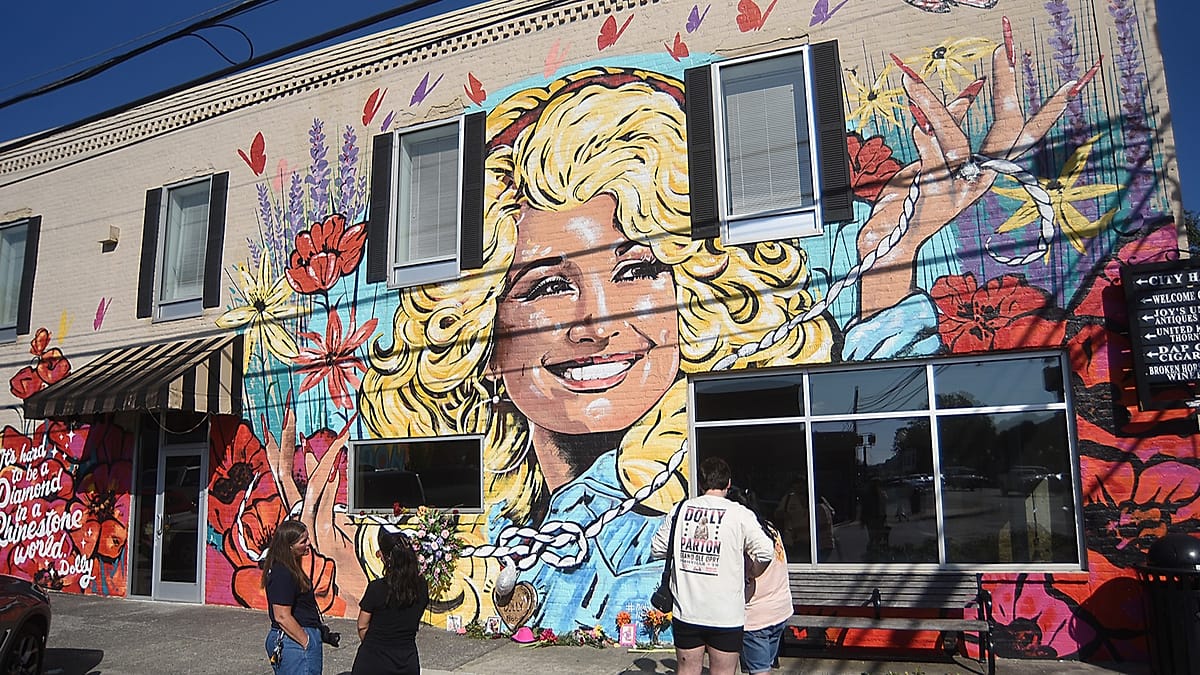
While some may see AI as a tool for creative expression, its misuse in the wake of tragedy raises ethical questions that demand attention. Fans gathering to honor Parton have shown that genuine tributes come from the heart, not from algorithms.
As the Parton family navigates their grief, Stella’s words serve as a call to action for greater empathy and responsibility online. In an era of endless misinformation, her message is clear: respect the living, honor the dead, and think before you post.