The deadliest Ebola outbreak in the Democratic Republic of Congo's history has now claimed more than 4,000 lives, according to official figures released on Friday. With over 8,300 confirmed cases and 2,162 recoveries, the case fatality rate stands at 48.4 percent, underscoring the severity of a crisis that has stretched the country's fragile health system.
First detected in mid-May, the outbreak has spread across seven provinces in the north and east, with the latest cases emerging in North Kivu, where the rebel group M23 controls several areas. Four deaths have been recorded among six cases in those territories, the group said on Friday, adding to the complexity of an already volatile situation.
Conflict and mistrust hamper the response
The response has been severely hampered by ongoing armed clashes and deep-seated mistrust of authorities among local populations. In Ituri province, violent confrontations between militias have displaced more than 5,000 people in recent days, according to the UN. On Tuesday, a transit centre for Ebola patients was burned down after soldiers entered a site for displaced people, prompting residents to flee. A contractor involved in case detection was killed in an attack on a health facility in North Kivu on Wednesday.
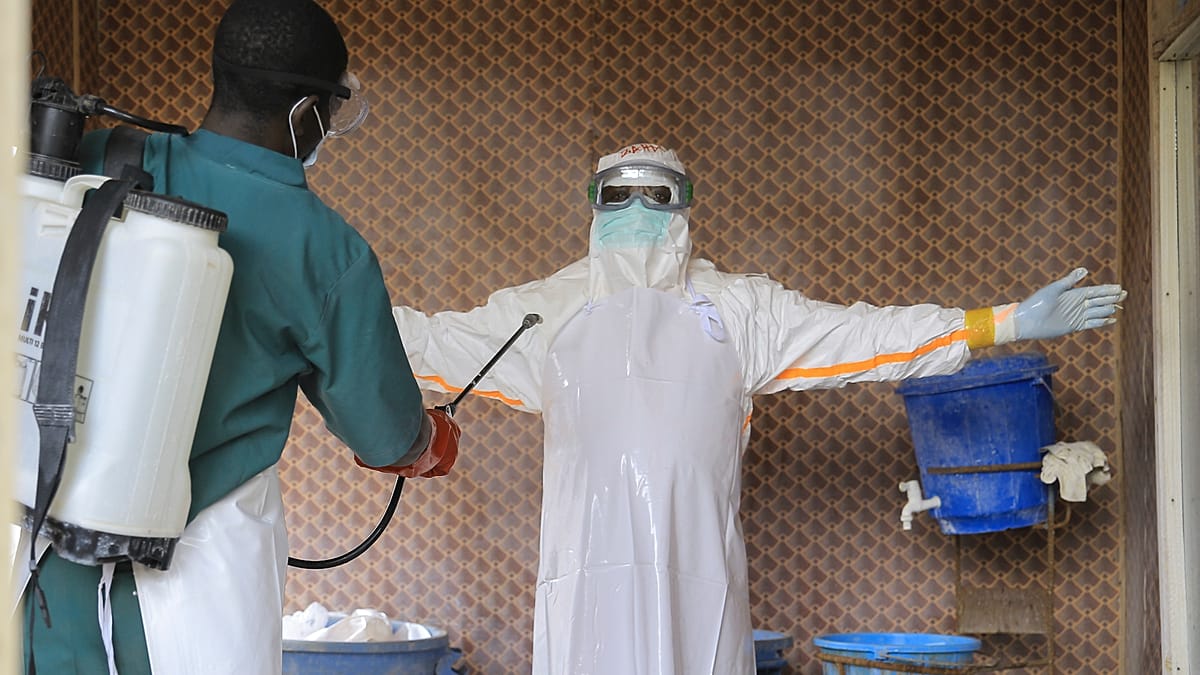
These incidents highlight the dangerous environment in which health workers operate. In remote and impoverished regions, healthcare infrastructure is minimal, leaving frontline staff particularly vulnerable to infection. The lack of security has also disrupted the delivery of vaccines and treatments, complicating efforts to contain the virus.
French Foreign Minister Jean-Noël Barrot was due to visit Bunia, the capital of Ituri, on Friday to express Paris's support for local authorities and humanitarian workers. France has allocated €13.4 million to the fight against Ebola between January and July, though no new aid package has been announced. The United States, meanwhile, has pledged an additional €237 million to combat the disease.
European involvement extends beyond funding. The EU has sent experts to the region to assist with the response, and vaccine trials are underway. The first doses of the Ervebo vaccine, which has proven effective against the Zaire strain, have been administered to frontline staff as part of a clinical trial targeting the Bundibugyo strain responsible for the current outbreak.
The crisis in DR Congo is a stark reminder of the interconnectedness of global health security. As European nations and international partners mobilise resources, the challenge remains to reach affected communities in conflict zones and build the trust necessary for an effective public health response.