Bratislava confirmed early Thursday that Russian crude oil has resumed flowing through the Druzhba pipeline, ending a three-month disruption that had paralysed a €90 billion European Union loan package for Ukraine.
Slovak Economy Minister Denisa Saková announced in a ministry statement that the country began receiving oil via the pipeline at 2 a.m. local time. The confirmation brings to a close a standoff between Ukraine, the EU, and two of its member states—Hungary and Slovakia—after the transit of discounted Russian crude was halted in late January.
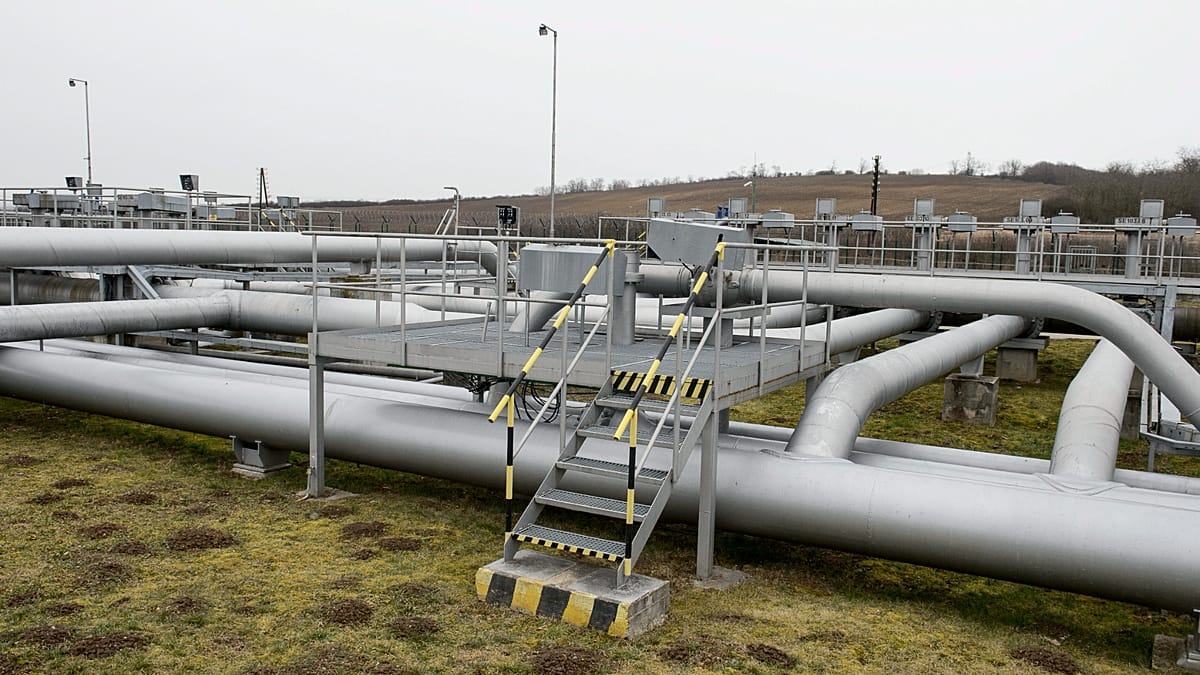
The interruption followed a Russian drone strike on Ukraine’s energy infrastructure, which damaged the pipeline’s Ukrainian section. The Druzhba pipeline, which carries cheap Russian crude to refineries in Slovakia and Hungary, had been offline since that attack.
EU Loan Unblocked
The resumption of oil flows is expected to unlock the €90 billion EU loan for Ukraine, which had been vetoed by Hungary and Slovakia since February, despite initial agreement in December. The disbursement is now scheduled to begin between late May and early June.
Hungary’s energy giant MOL stated on Wednesday that it had been informed by Ukrtransnafta, the operator of the Ukrainian pipeline segment, that crude oil receipt from Belarus via the Druzhba system had resumed at noon that day.
The dispute had become a major sticking point in EU-Ukraine relations, with Budapest and Bratislava using their veto power to block the loan until the pipeline issue was resolved. The development follows earlier calls from Hungarian officials for Ukraine to reopen the route, as reported in Magyar Urges Zelenskyy to Reopen Druzhba Pipeline as EU Loan Hangs in Balance.
The Druzhba pipeline is a critical infrastructure link for landlocked Central European countries that rely on Russian crude for their refineries. Its shutdown had forced Slovakia and Hungary to seek alternative supplies at higher costs, straining their economies and energy security.
While the restart resolves one immediate crisis, it underscores the broader vulnerability of European energy networks to geopolitical shocks and infrastructure damage from the war in Ukraine. The EU has been working to diversify energy sources, but dependence on Russian oil remains significant for some member states.
For Ukraine, the unblocking of the loan provides a much-needed financial boost as it continues to defend against Russian aggression. The funds are intended to support Kyiv’s budget and reconstruction efforts, though disbursement will be contingent on further EU approvals.
The incident also highlights the complex interplay between energy politics and EU solidarity, as member states with divergent interests navigate the bloc’s response to the war. The resumption of oil flows may ease tensions, but it does not resolve the underlying disputes over energy dependence and sanctions enforcement.