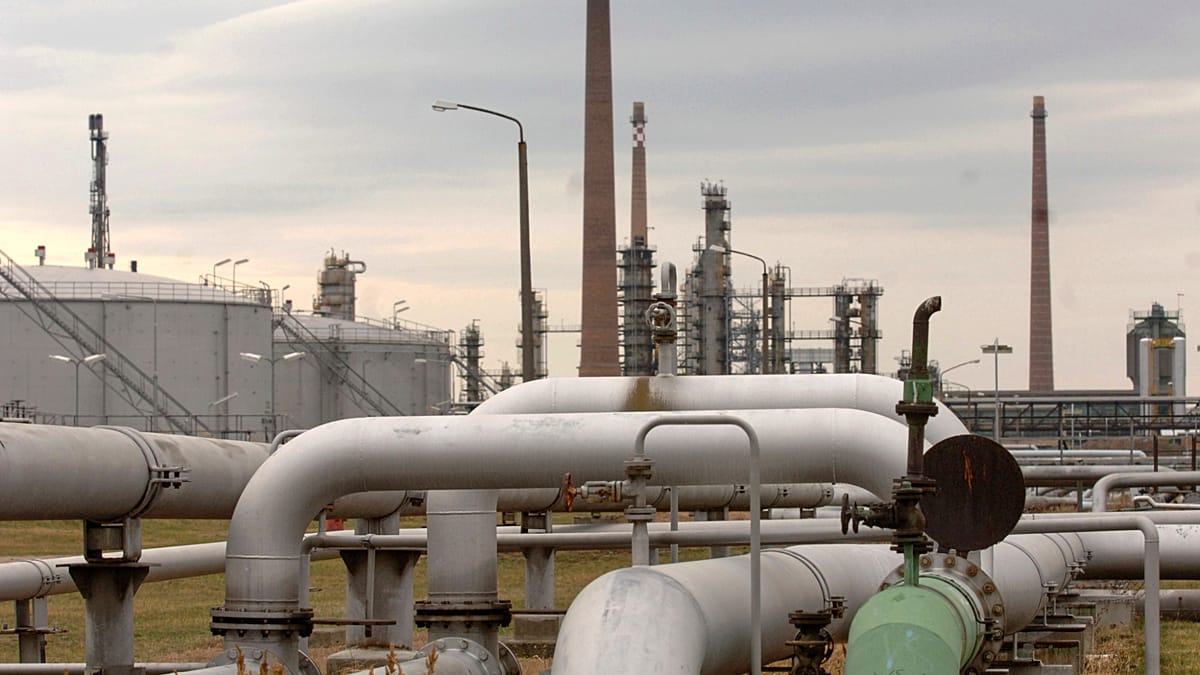
Ukrainian President Volodymyr Zelenskyy has confirmed that the Druzhba oil pipeline, which carries Russian crude through Ukraine to Hungary and Slovakia, has been repaired and is ready to resume operations. The announcement ends a months-long standoff between Kyiv and Budapest that had blocked a €90 billion EU loan for Ukraine and a new round of sanctions against Russia.
The Soviet-era pipeline was damaged by a Russian drone strike on western Ukraine in late January. In a post on X, Zelenskyy stated: "Ukraine has completed repair work on the section of the Druzhba oil pipeline that was damaged by a Russian strike. The pipeline can resume operation."
The repair clears the way for Hungary to lift its veto on the €90 billion loan, which EU leaders approved in December but outgoing Prime Minister Viktor Orbán blocked in February in response to the oil flow interruption. Orbán’s move infuriated other EU heads of state, who viewed it as a breach of the principle of sincere cooperation. Zelenskyy explicitly linked the repair to the loan’s unblocking, saying: "We connect this with the unblocking of the European support package for Ukraine, which had already been approved by the European Council."
Orbán, whose 16-year term ends after a bruising electoral defeat, stated on Sunday that he would drop his reservations once oil transit resumes. If he follows through, EU ambassadors could approve the final element of the loan as early as Wednesday in Brussels. Hungary, Slovakia, and the Czech Republic have secured an opt-out from the borrowing. Disbursement would begin gradually, with an initial allocation for 2026 of €16.7 billion for financial support and €28.3 billion for military support, subject to Ukrainian government reforms.
Relief in Brussels
The news has been met with relief in Brussels, where the Druzhba dispute placed EU institutions in an awkward position. They condemned Orbán’s veto as "unacceptable" blackmail while publicly pressuring Zelenskyy to accelerate repairs. Brussels even offered EU funds and experts to inspect the damaged site—a key demand from Orbán—but the inspection never took place. European Council President António Costa thanked Zelenskyy "for delivering, as agreed: repairing the Druzhba pipeline and restoring its operation." High Representative Kaja Kallas expects the veto to be lifted "in 24 hours," though she added: "I don't want to jinx it. I hope everything goes well, because we have seen some turns in this file."
Beyond the loan, the pipeline dispute had also paralyzed a new sanctions package against Russia, vetoed by Hungary and Slovakia. The package includes a full ban on maritime services for Russian oil tankers, aimed at raising material costs and reducing energy profits. Zelenskyy stressed: "We must continue systematic sanctions pressure on Russia over this war and work on further diversifying energy supplies to Europe. Europe must be independent from those who seek to destroy or weaken it." However, even if approved, the ban will not take effect immediately because Greece and Malta want it conditional on a G7-level agreement, while Sweden and Finland prefer to move ahead without waiting.
The resolution of the Druzhba dispute marks a critical step in EU-Ukraine relations, though it highlights ongoing tensions within the bloc over energy dependence and solidarity. For more on Ukraine’s integration efforts, see Zelenskyy Rejects Symbolic EU Membership, Demands Full Integration for Ukraine. The broader context of the loan’s impact is explored in Druzhba Pipeline Restart Unblocks EU Loan for Ukraine After Three-Month Halt.