The European Union Aviation Safety Agency (EASA) has issued an airworthiness directive requiring inspections of the wings on all A380 superjumbos, after cracks were discovered on a number of in-service aircraft. The move places fresh scrutiny on Airbus, the Toulouse-based aerospace giant, which is already navigating a turbulent period of supply chain bottlenecks and escalating operational expenses.
The directive, published on Tuesday, mandates that operators conduct detailed visual and eddy-current inspections of the wing rib feet and adjacent structures on the A380 fleet. EASA noted that the cracks, if left unchecked, could compromise the structural integrity of the wing, potentially leading to in-flight failures. The agency has set a compliance deadline of 30 days for initial checks, with follow-up inspections required at regular intervals.
Airbus, which delivered the last A380 to Emirates in 2021, has been grappling with a broader set of challenges. The company is still working through pandemic-era supply chain disruptions that have delayed deliveries of its best-selling A320neo family and the A350 widebody. Rising raw material costs and labour shortages across European aerospace hubs—from Hamburg to Toulouse—have further squeezed margins. The A380, once hailed as a flagship of European engineering, has become a costly legacy programme, with production halted due to weak demand for four-engine aircraft.
The wing crack issue is the latest in a series of quality-control concerns for Airbus. In 2023, the company faced scrutiny over manufacturing defects in the A350's wing components, and earlier this year, it disclosed problems with Pratt & Whitney engines on the A320neo. While Airbus has stated that the A380 cracks are isolated and not indicative of a systemic flaw, the EASA directive underscores the regulatory vigilance that follows any structural anomaly on a commercial aircraft.
For airlines operating the A380—including Emirates, Singapore Airlines, and Lufthansa—the inspections will mean additional downtime and maintenance costs. Emirates, the largest A380 operator with 116 aircraft, has already begun scheduling inspections at its Dubai maintenance facility. Lufthansa, which has eight A380s in service, confirmed it would comply with the directive but declined to comment on potential schedule disruptions.
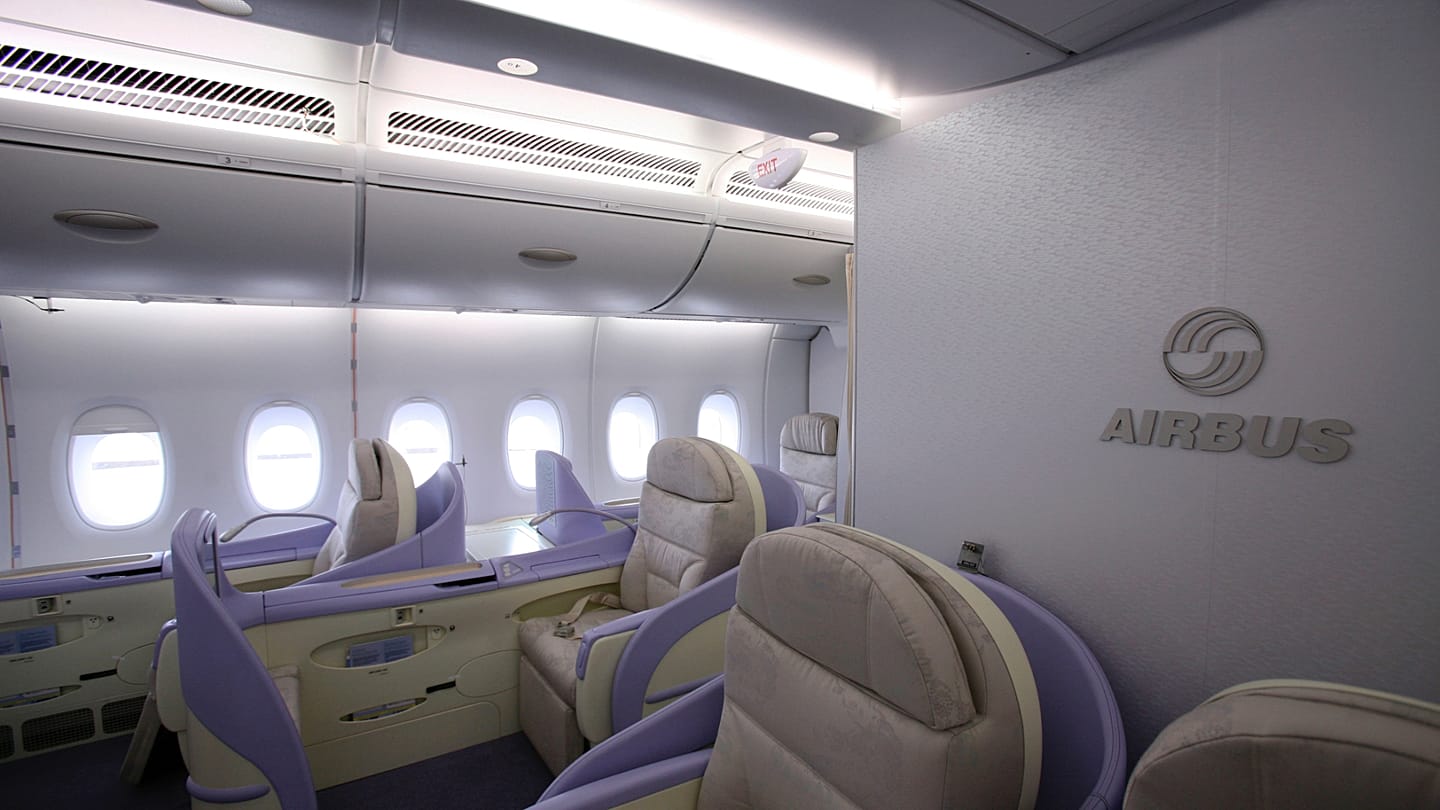
The European aerospace sector is watching closely, as the A380 remains a symbol of European industrial ambition. The aircraft's double-deck design and four engines were meant to revolutionise long-haul travel, but its high operating costs and the shift toward more fuel-efficient twin-engine jets led to its demise. Now, even as the fleet ages, regulators are demanding rigorous oversight.
Airbus has been investing in new technologies to stay competitive. At the VivaTech conference in Paris earlier this year, the company showcased quantum sensing and AI applications for aircraft navigation, signalling a pivot toward next-generation avionics. Yet the A380's troubles serve as a reminder that legacy platforms require constant maintenance, even after production ends.
The EASA directive also highlights the broader regulatory environment in Europe, where agencies like EASA maintain strict oversight of airworthiness. This contrasts with the more manufacturer-friendly approach sometimes seen in other jurisdictions. For European travellers, the news is unlikely to cause immediate concern—the A380 remains a safe aircraft, and inspections are a routine part of aviation safety. But for Airbus, the cracks are another headache in a year already marked by delivery delays and cost overruns.
As the company works to resolve the issue, it must also contend with geopolitical pressures. The ongoing war in Ukraine has disrupted titanium supplies from Russia, a key material for aircraft manufacturing. Meanwhile, the EU's trade tensions with China—exacerbated by yuan undervaluation deepening the bloc's record trade deficit—could affect Airbus's sales in the critical Chinese market. The A380's wing cracks may be a technical problem, but they are playing out against a backdrop of far larger strategic challenges for European aviation.