As the intense heatwave that scorched western Europe shifts eastward, hospitals from Warsaw to Budapest are reporting a surge in emergency admissions, exposing critical gaps in the continent's preparedness for extreme temperatures. The crisis, which follows weeks of record-breaking heat in France, Spain, and the UK, now threatens to strain healthcare systems in countries less accustomed to such prolonged thermal stress.
Hospitals Under Pressure
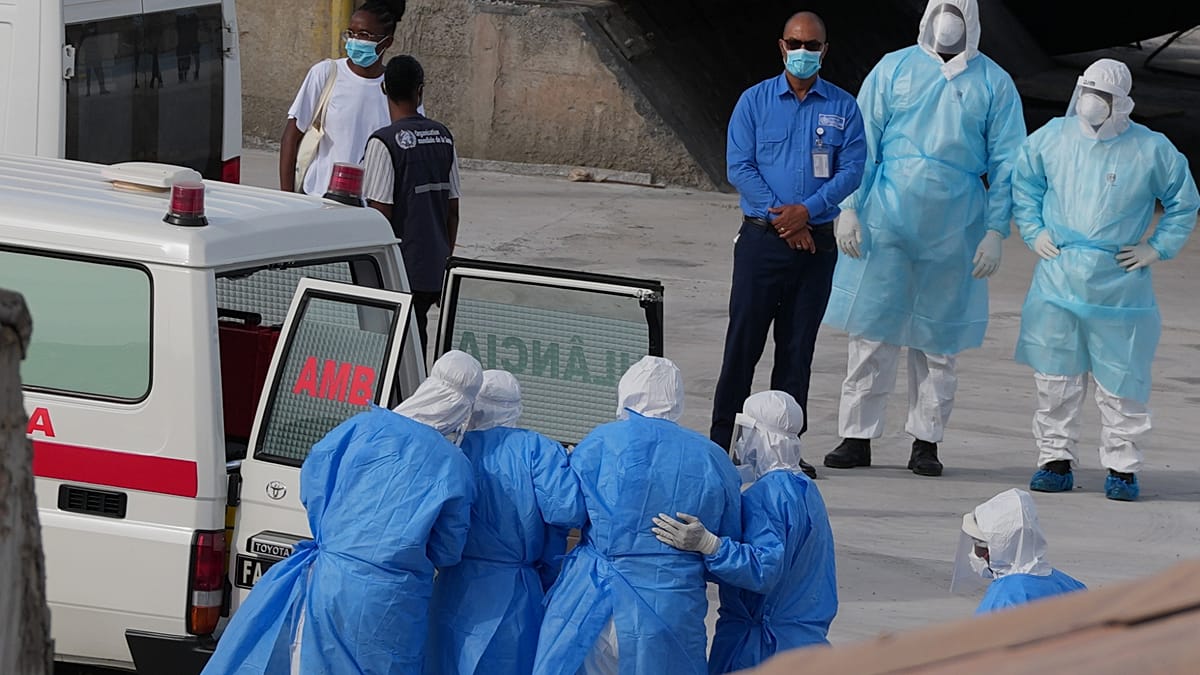
In Poland, the Ministry of Health in Warsaw has issued alerts as hospitals in cities like Kraków and Wrocław see a 40 percent increase in heat-related cases, including heatstroke, dehydration, and cardiovascular complications. In Czechia, the Prague University Hospital reported that its emergency department has been operating at full capacity since the start of the week, with many patients over 65 requiring intensive care. Hungary's National Ambulance Service in Budapest has recorded a 25 percent rise in emergency calls compared to the same period last year.
The situation echoes the challenges faced by southern European nations earlier this summer. In Italy, hospitals in Rome and Milan had to set up temporary cooling stations, while in Greece, the National Health System in Athens activated emergency protocols. The difference now is that many eastern member states lack the extensive air-conditioning infrastructure and heat-action plans that countries like Spain and France have developed after repeated heatwaves.
Climate scientists have linked the intensity of this heatwave to human-induced climate change. A recent analysis concluded that the event was virtually impossible without global warming, underscoring the need for continent-wide adaptation strategies.
Uneven Preparedness Across the EU
The European Commission has urged member states to implement heat-health action plans, but adoption remains uneven. While countries like France and Germany have robust systems—including early warning alerts, public cooling centers, and mandatory workplace protections—many eastern and Balkan nations lag behind. In Romania, for instance, only a handful of cities have heatwave response protocols, leaving rural areas particularly vulnerable.
The economic impact is also hitting the most vulnerable hardest. A recent report highlighted that low-income households, farm laborers, and working mothers bear the brunt of heatwave costs, as they often lack access to air conditioning or flexible work arrangements. In Bulgaria, agricultural workers in the Plovdiv region have been forced to labor during peak heat hours, despite government advisories.
The heatwave has also disrupted energy production. In France, nuclear output was cut as record temperatures strained river ecosystems used for cooling. Now, eastern European countries face similar dilemmas. Poland's coal-fired power plants, which rely on river water for cooling, have had to reduce output as the Vistula and Oder rivers run low, raising concerns about energy security.
Public Health and Urban Design
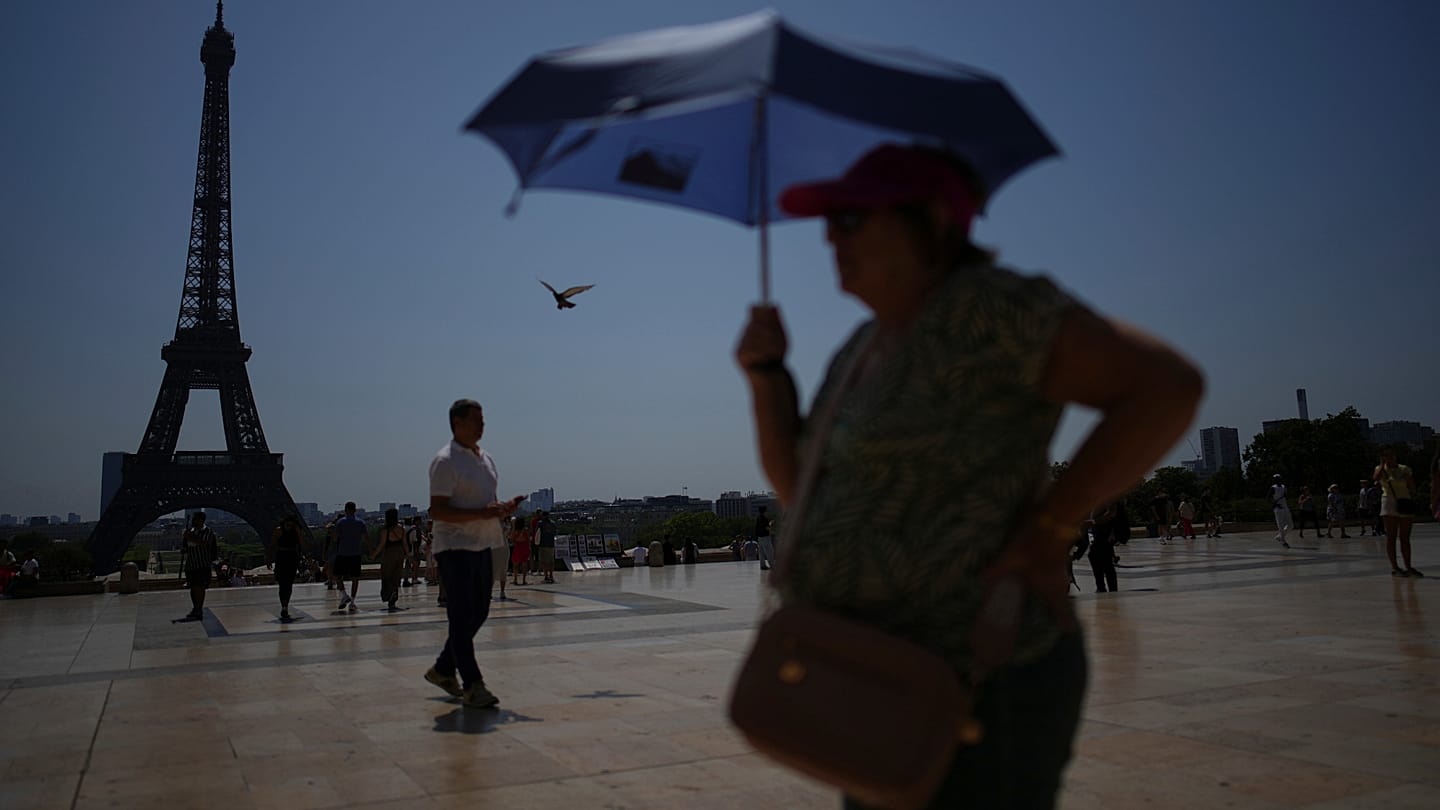
Urban planners across Europe are rethinking city design in response to repeated heatwaves. In Paris, the city's iconic zinc roofs have been blamed for turning attic apartments into ovens, prompting a debate about building codes. In Vienna, the municipal government has invested in green roofs and public water fountains. But in cities like Bucharest and Sofia, such measures are still rare, and many residents live in poorly insulated apartment blocks that trap heat.
Public health officials warn that the elderly and those with pre-existing conditions are most at risk. In Hungary, the government has opened air-conditioned public spaces in Budapest and Debrecen, but coverage is limited. In Serbia, the Red Cross has distributed water and fans in Belgrade, but demand outstrips supply.
The European Environment Agency has called for a coordinated EU strategy on heat resilience, including binding targets for urban green spaces and mandatory heat-action plans for all member states. As the heatwave moves east, the urgency of such measures becomes ever clearer.
For now, hospitals across the region are bracing for more admissions as temperatures are forecast to remain above 35°C for several more days. The crisis is a stark reminder that climate change does not respect national borders, and that Europe's preparedness is only as strong as its weakest link.